Why Professional Containment Is Crucial for Safe Mold Remediation
Mold problems aren’t just what you see on the walls or ceilings. When you disturb mold, it releases tiny spores into the air that can travel and contaminate other areas.
Why Professional Containment Is Crucial for Safe Mold Remediation
Mold problems aren’t just what you see on the walls or ceilings. When you disturb mold, it releases tiny spores into the air that can travel and contaminate other areas.
Professional containment matters because it keeps those spores from spreading and protects the rest of your home during remediation. Without solid barriers and air controls, even a small patch of mold can snowball into a bigger, costlier headache—especially if you’re living in places like Marietta, GA or Sandy Springs.
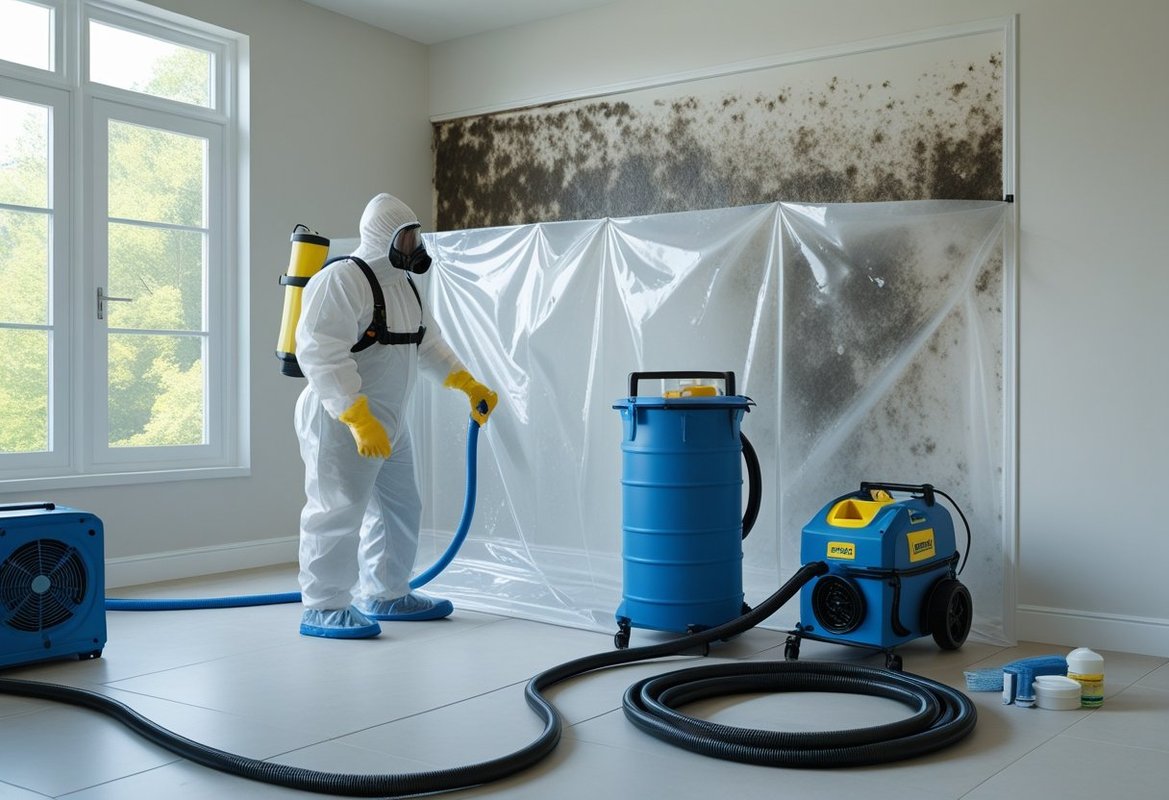
Pros use sealed containment zones, heavy-duty plastic sheeting, and specialized air filtration systems. These steps keep the problem area isolated and reduce cross-contamination.
Why Professional Containment Is Essential in Mold Remediation
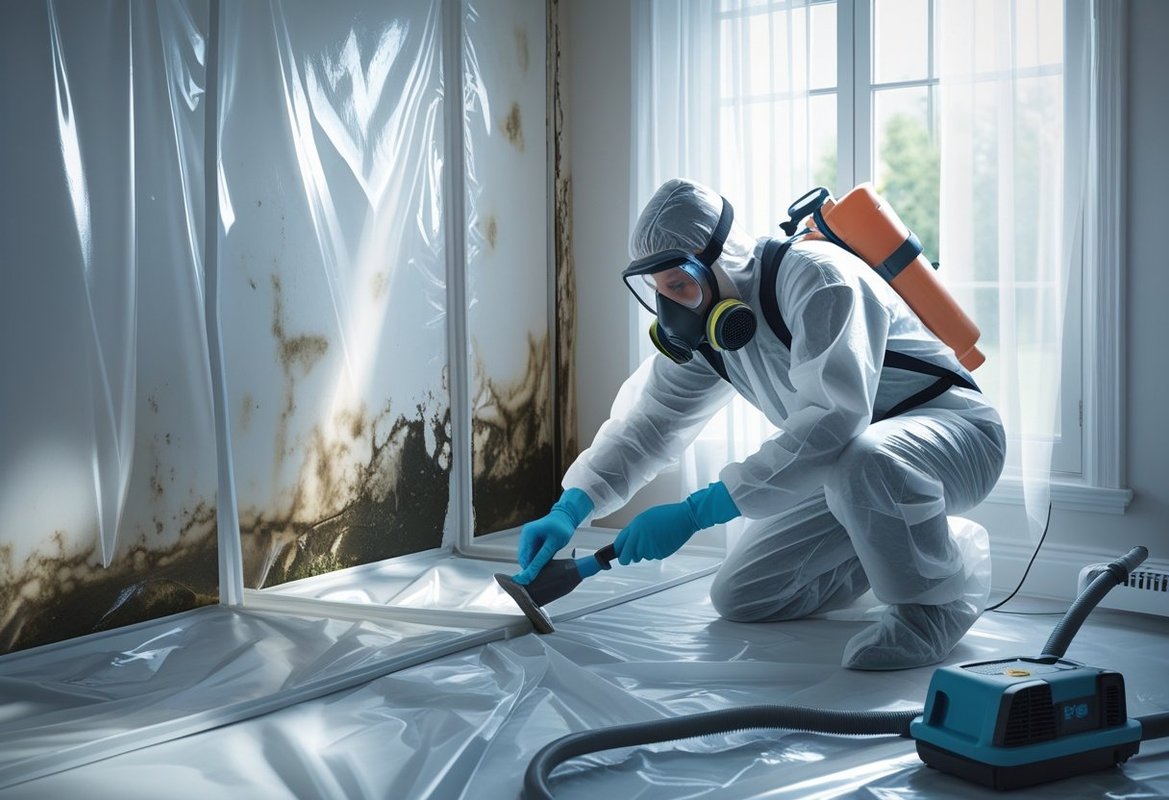
Containment keeps spores from spreading, shields people inside from unnecessary exposure, and makes sure remediation follows safety practices. It’s the backbone of controlling mold and protecting both health and property.
Preventing Cross-Contamination During Mold Removal
Mold spores travel fast when you disturb walls, flooring, or insulation. Without barriers, spores can drift into clean rooms and start new colonies.
Professionals set up sealed enclosures, plastic sheeting, and negative air machines to stop this. For small spots, they use local containment. Large infestations need full containment.
This isolates the work zone, keeping spores in one place. It also lowers the risk of hidden mold popping up later.
Clear separation between affected and clean areas helps keep your property and your family safer. By limiting the spread, you avoid future repairs that often cost way more than you’d expect.
Protecting Indoor Air Quality and Occupant Health
Mold spores can tank your indoor air quality and irritate your eyes, skin, and lungs. If you’ve got asthma, allergies, or a weak immune system, the risks go up.
Containment helps by filtering and cleaning the air during remediation. Professionals run HEPA filtration units inside the containment zone. These machines grab fine particles, including spores, and keep them from circulating.
With airborne contamination limited, you’re less likely to have health complaints during and after cleanup. It’s a win for both the people living there and the folks doing the work.
Ensuring Compliance with Industry Standards
Professional mold remediation follows strict industry guidelines. Organizations like the EPA and IICRC require containment to protect everyone involved.
Certified techs know how to set up and monitor barriers. They also check negative air machines to make sure they’re working right.
Following these standards means you get documentation showing the job was done right. That’s useful for insurance claims, property sales, or inspections down the line.
Understanding the Dangers of Improper Mold Containment
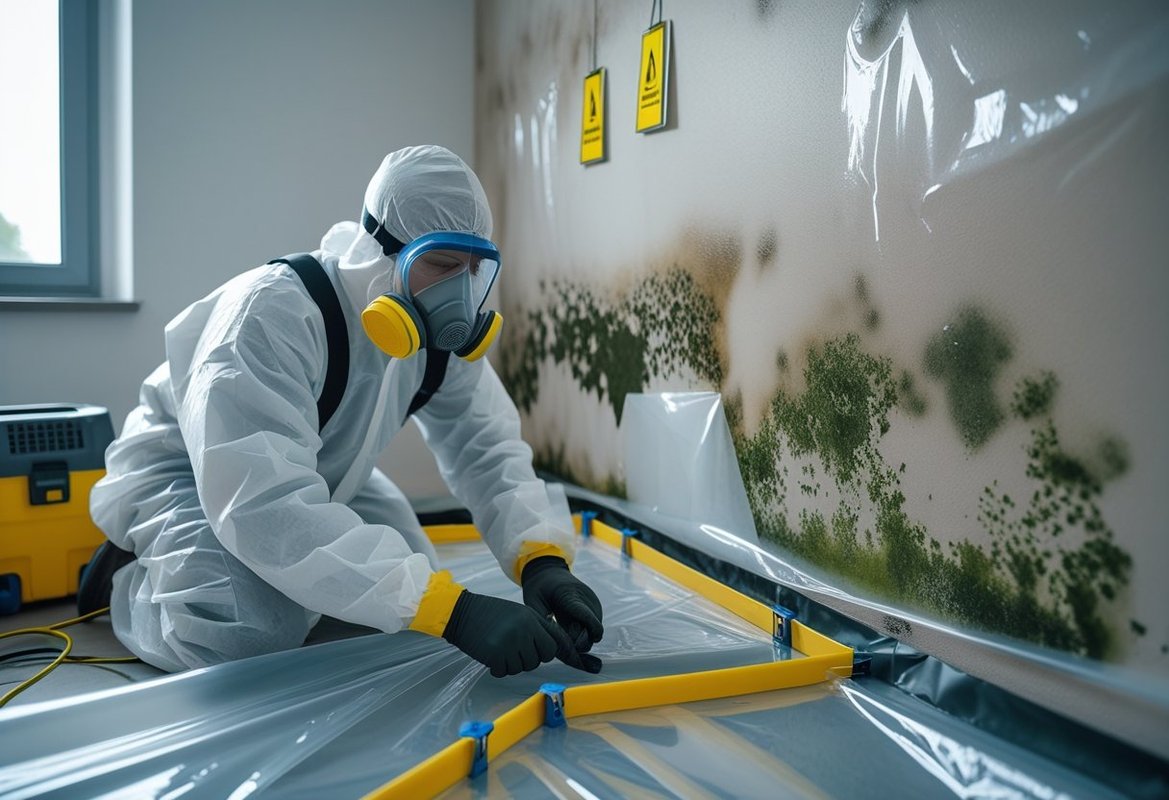
If you don’t contain mold correctly, it can hurt people and buildings. Spores get loose, health issues pop up, and property values can tank.
Health Risks Associated with Mold Exposure
When containment fails, spores and mycotoxins float freely. That raises the odds of breathing them in or getting them on your skin.
People with asthma, allergies, or compromised immune systems face bigger risks. Symptoms like coughing, wheezing, and skin irritation are common.
Sometimes, exposure makes chronic respiratory issues worse. The tricky part? Mold-related illness might not show up right away.
Improper cleanup can stir up even more spores, making things worse. Without real barriers and HEPA filters, everyone stays at risk.
Spread of Mold Colonies and Infestation
Mold loves damp surfaces. If you skip proper containment, spores can slip through air ducts, open doorways, or even on clothing.
Suddenly, a small spot in your Roswell, GA home turns into a full-blown infestation. Once mold gets behind drywall or under floors, removal gets tough and expensive.
Musty odors often spread before you even see mold. That’s usually the first sign you’ve got a bigger problem lurking out of sight.
Long-Term Impacts on Property Value
Uncontrolled mold weakens drywall, wood framing, and insulation. Over time, this damages the building’s structure.
Even after repairs, a history of mold scares off buyers. Homes in Alpharetta, GA with past mold issues often sell for less.
Insurance companies might limit coverage if they find out poor remediation caused damage. That puts property owners on the hook for future costs.
Key Steps in the Professional Mold Remediation Process
Professional mold remediation isn’t just about cleaning. It’s a series of steps to find the problem, stop spores from spreading, and remove contaminated materials safely.
Each stage needs careful planning, the right equipment, and strict safety to keep things healthy.
Initial Mold Inspection and Testing
The process starts with a thorough mold inspection. Pros look for visible growth and hidden trouble spots.
They check for leaks or high humidity, since mold thrives in damp places. Testing includes air sampling to measure spore levels and surface sampling to confirm what’s growing.
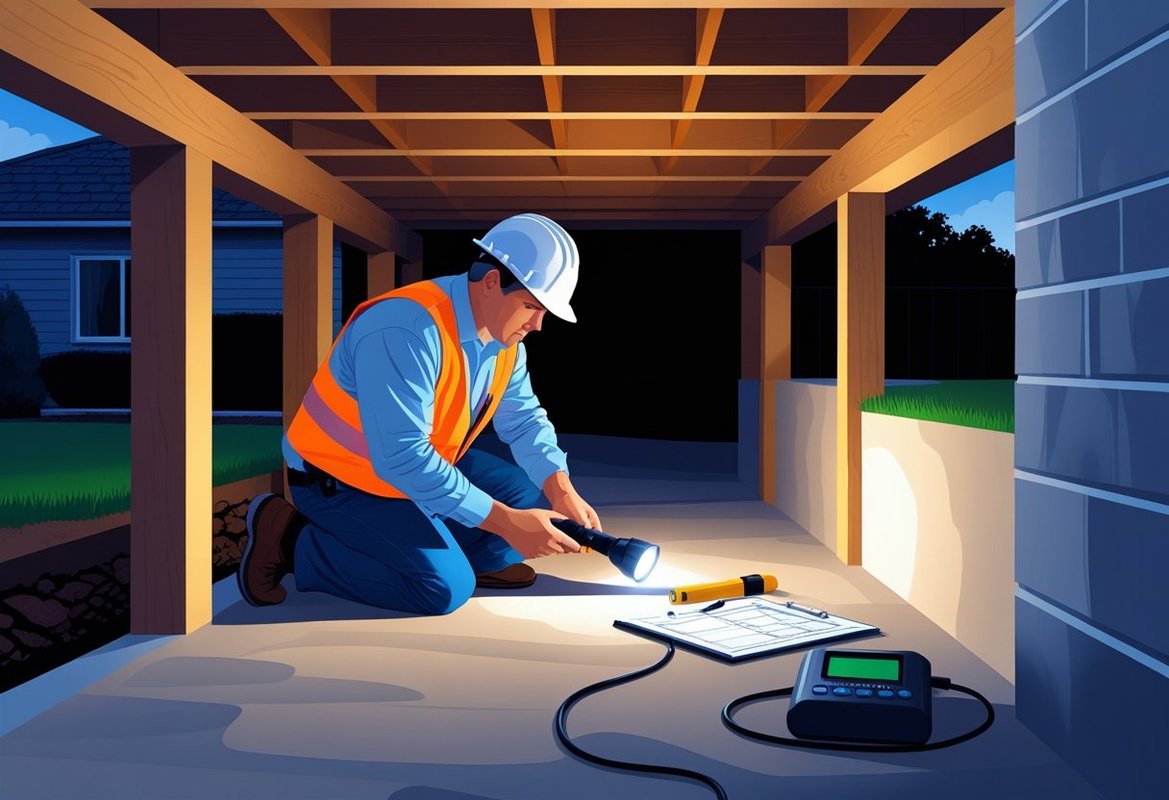
Inspectors use moisture meters and thermal cameras to find mold behind walls or under floors. If you skip this, mold can come back.
Test results guide the remediation plan. By knowing where and how bad the mold is, techs pick the right containment and removal methods.
Setting Up Effective Containment Zones
Containment stops spores from spreading during remediation. Pros use plastic sheeting, negative air machines, and HEPA filters to isolate the problem.
There are two main types:
- Limited containment: For smaller areas, usually under 100 square feet.
- Full containment: For bigger infestations or when mold’s in the HVAC.
Workers set up airlocks and use negative air pressure to keep spores from escaping. This protects everyone in the building.
Without containment, spores can float into new areas, causing repeat problems. Targeted cleanup only works if you keep things controlled.
Safe Mold Removal and Cleanup
Once containment’s in place, techs start mold removal. Porous stuff like drywall, carpet, and insulation gets tossed if it can’t be cleaned.
Non-porous surfaces—think metal or glass—get scrubbed and treated with antimicrobial solutions. HEPA vacuums and damp wiping catch spores without sending them airborne.
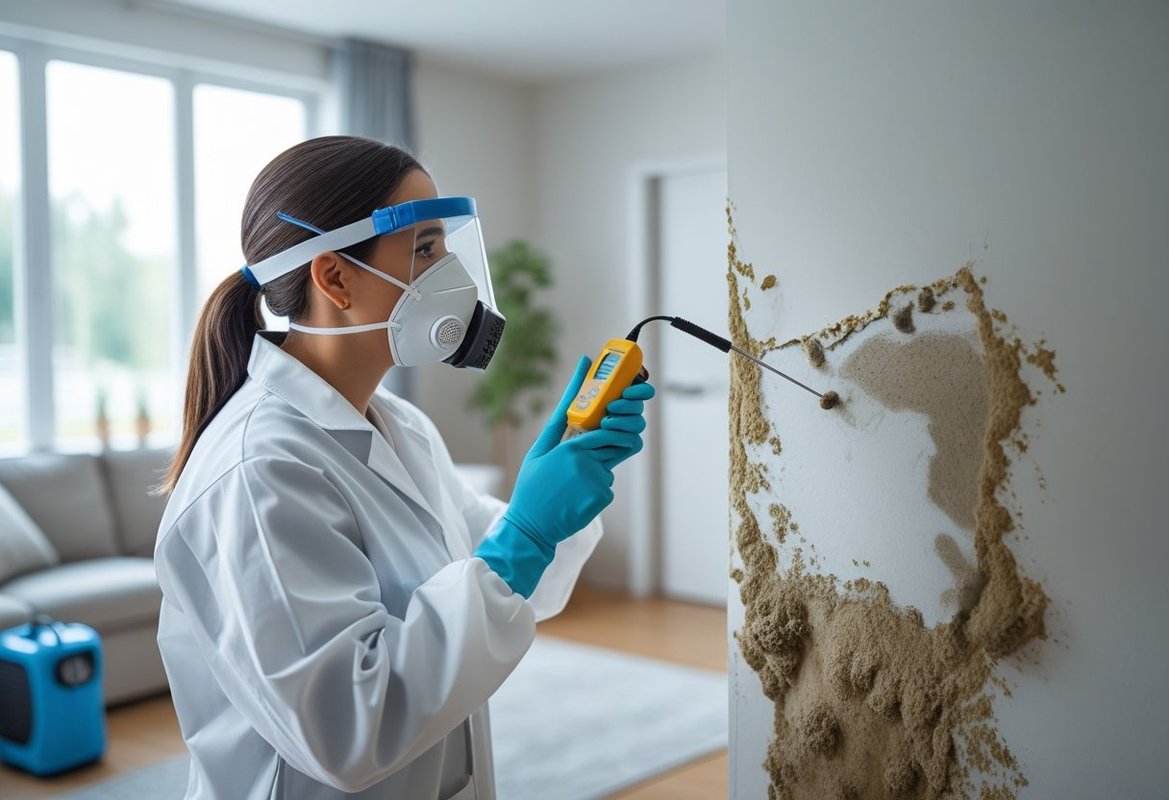
Workers suit up with respirators and disposable gear to stay safe. After removal, they dry the area thoroughly using dehumidifiers and air movers.
Sometimes, they do post-remediation air sampling to make sure spore levels are back to normal. The job finishes with safe disposal of all contaminated materials.
Advanced Containment Techniques for Safe Remediation
Good containment limits spore spread, keeps indoor air safe, and creates a controlled space for cleanup. It’s all about barriers, airflow, and filtration.
Physical Barriers and Sealing Procedures
Pros isolate the affected area with plastic sheeting and tough tape. This physical barrier separates clean from contaminated spaces.
They seal doors, vents, and gaps to keep spores in check. Zipper doors or flaps allow safe entry and exit.
For bigger jobs, they might use multiple layers of sheeting. Proper sealing helps keep air pressure where it should be.
Without strong barriers, spores can ride air currents or HVAC systems and spread fast.
Utilizing Negative Air Pressure Systems
Negative air pressure systems are key. Machines pull air from the work zone and vent it outside through HEPA-filtered ducts.
Lower pressure inside means air flows in, not out. Even if a barrier shifts, the airflow keeps spores contained.
Techs monitor these systems to make sure they’re working. Sometimes, they check with air sampling to confirm containment is solid.
This is especially important in places like Decatur, GA schools or healthcare facilities where air quality is critical.
Role of Air Filtration and HEPA Equipment
Air filtration grabs airborne spores during remediation. HEPA air scrubbers go inside the containment zone to catch tiny particles.
These units cycle the air and lower spore counts. Paired with negative air machines, they keep both circulating and exhausted air clean.
HEPA vacuums help with cleanup, pulling dust and debris without spreading spores. This combo keeps things safer for everyone and lowers the odds of mold coming back.
Professional Mold Remediation Services Versus DIY Approaches
Mold isn’t a simple surface cleaning job. The difference between professional services and DIY usually comes down to training, equipment, and stopping mold from spreading.
Expertise and Specialized Equipment
Pro mold remediation teams know how mold grows and how to stop it. They follow industry standards for inspection, containment, and removal.
They use specialized gear—HEPA air scrubbers, negative air machines, and containment barriers—that DIYers rarely have. This makes a big difference in preventing cross-contamination.
Pros also use moisture meters and infrared cameras to find hidden mold. Homeowners often miss what’s behind walls or under floors, which leads to recurring problems.
By combining training and advanced tools, professional removal is more thorough and controlled than any DIY attempt.
Risks of Inadequate Containment in DIY Efforts
DIY cleanup usually means scrubbing visible spots with household cleaners. That might take care of the surface, but it won’t stop spores from going airborne.
Once disturbed, spores can settle in new places—air ducts, fabrics, dust—leading to more growth. Cleaning agents might not reach porous materials, and strong chemicals can damage surfaces.
Often, you need to remove and replace materials, not just wipe them down. DIY gaps in containment and treatment make it unreliable, especially for bigger or hidden infestations.
Benefits of Certified Mold Remediation Services
Certified pros follow strict safety protocols. They wear protective gear, seal off zones, and run air filtration to catch spores during removal.
They also fix the source of the problem—like leaks or humidity—so mold doesn’t come back. Many services provide documentation, which helps with property value, insurance, or future restoration.
By ensuring thorough cleanup, preventing spread, and addressing what caused the mold, professional remediation brings a level of safety and reliability you just can’t get with DIY.
Preventing Future Mold Growth and Ensuring Lasting Results
Long-term mold control means fixing what lets it grow, confirming the remediation worked, and adding steps to keep it from coming back. Each piece helps keep your indoor air safe and avoids costly repairs down the road.
Addressing Moisture Issues and Water Damage
Mold loves damp spaces, so tackling moisture comes first for lasting results. If you’ve got leaks from roofs, plumbing, or appliances, fix them fast—especially in older Atlanta, GA homes where hidden drips are common.
Even tiny drips can create sneaky damp spots that let mold take hold. Professionals in places like Marietta, GA often check walls, ceilings, and floors for water damage.
They use tools like moisture meters to find wet areas you can’t see. Sometimes, you’ll be shocked at how much moisture hides behind drywall.
Improving ventilation, sealing up basement cracks, and running dehumidifiers all help cut down indoor humidity. Keeping that humidity under 50%? That’s your best bet for keeping mold away, whether you’re in Decatur or Sandy Springs.
Key practices include:
- Fixing leaks right away
- Drying out wet stuff within 24–48 hours
- Ventilating bathrooms and kitchens
Post-Remediation Verification and Monitoring
After remediation, pros need to make sure the mold’s really gone. They’ll do a visual inspection, take surface samples, and maybe run air quality tests.
This helps confirm that no hidden mold remains and that spore levels are safe. If tests show a problem, more cleaning or containment might be necessary.
The job’s not really over after that first check. Regular monitoring, especially in humid Atlanta summers, helps catch new moisture issues before mold comes back. A cheap digital humidity monitor can be a lifesaver.
Verification steps may include:
- Checking cleaned spots for visible mold
- Testing air for spore counts
- Looking over repaired areas for new leaks or dampness
Applying Antimicrobial Treatments
Even after you scrub away visible mold, spores can hang around. Antimicrobial treatments create a barrier to help stop regrowth.
You’ll see these applied to drywall, wood framing, or subfloors—especially in damp-prone spots like basements in Roswell, GA or bathrooms in Buckhead.
But don’t think of antimicrobials as a fix-all. They work best alongside solid repairs, good airflow, and proper drying.
Benefits of antimicrobial treatments:
- Lowers the risk of mold coming back
- Shields porous materials during restoration
- Adds extra protection in high-moisture areas
Frequently Asked Questions
Safe mold remediation is all about controlling exposure and using proven methods. Certified pros in the Atlanta, GA area follow strict steps to keep you and your building safe.
What are the health risks associated with improper mold removal?
Bad mold removal can send huge amounts of spores into the air. That might set off allergies, asthma, or other breathing problems. Folks with weaker immune systems are at greater risk.
How does professional containment prevent mold spore spread during remediation?
Containment seals off the work zone, keeping spores from drifting into clean areas. Pros use plastic sheeting, negative air machines, and airlocks to keep things under control. This really cuts down on cross-contamination in your home.
What are the standard practices for safe mold containment?
Standard practices? Isolate the area with barriers, keep negative air pressure, and run HEPA filters. Workers wear protective gear so they don’t carry spores out to other parts of the house.
Why is it important to hire certified professionals for mold remediation?
Certified pros know the right way to clean up. They find moisture sources, remove contaminated stuff, and check that the problem’s fixed. Their training helps avoid mistakes that could make things worse.
How does containment contribute to the effectiveness of the mold remediation process?
Containment lets workers focus on the mold without spreading it elsewhere. By controlling airflow and sealing the area, the cleanup stays targeted and works better.
What equipment is essential for ensuring proper containment in mold remediation?
You’ll need HEPA-filtered air scrubbers, negative air machines, and tough plastic sheeting. In the Atlanta, GA area—like if you’re getting [[[[[[[[[[[[[[[[[[[[[[[[[[[[[[[[[[[[[[[mold remediation in Marietta](https://water-damage-atlanta.com/marietta/mold-remediation)](https://water-damage-atlanta.com/marietta/mold-remediation)](https://water-damage-atlanta.com/marietta/mold-remediation)](https://water-damage-atlanta.com/marietta/mold-remediation)](https://water-damage-atlanta.com/marietta/mold-remediation)](https://water-damage-atlanta.com/marietta/mold-remediation)](https://water-damage-atlanta.com/marietta/mold-remediation)](https://water-damage-atlanta.com/marietta/mold-remediation)](https://water-damage-atlanta.com/marietta/mold-remediation)](https://water-damage-atlanta.com/marietta/mold-remediation)](https://water-damage-atlanta.com/marietta/mold-remediation)](https://water-damage-atlanta.com/marietta/mold-remediation)](https://water-damage-atlanta.com/marietta/mold-remediation)](https://water-damage-atlanta.com/marietta/mold-remediation)](https://water-damage-atlanta.com/marietta/mold-remediation)](https://water-damage-atlanta.com/marietta/mold-remediation)](https://water-damage-atlanta.com/marietta/mold-remediation)](https://water-damage-atlanta.com/marietta/mold-remediation)](https://water-damage-atlanta.com/marietta/mold-remediation)](https://water-damage-atlanta.com/marietta/mold-remediation)](https://water-damage-atlanta.com/marietta/mold-remediation)](https://water-damage-atlanta.com/marietta/mold-remediation)](https://water-damage-atlanta.com/marietta/mold-remediation)](https://water-damage-atlanta.com/marietta/mold-remediation)](https://water-damage-atlanta.com/marietta/mold-remediation)](https://water-damage-atlanta.com/marietta/mold-remediation)](https://water-damage-atlanta.com/marietta/mold-remediation)](https://water-damage-atlanta.com/marietta/mold-remediation)](https://water-damage-atlanta.com/marietta/mold-remediation)](https://water-damage-atlanta.com/marietta/mold-remediation)](https://water-damage-atlanta.com/marietta/mold-remediation)](https://water-damage-atlanta.com/marietta/mold-remediation)](https://water-damage-atlanta.com/marietta/mold-remediation)](https://water-damage-atlanta.com/marietta/mold-remediation)](https://water-damage-atlanta.com/marietta/mold-remediation)](https://water-damage-atlanta.com/marietta/mold-remediation)](https://water-damage-atlanta.com/marietta/mold-remediation)](https://water-damage-atlanta.com/marietta/mold-remediation)](https://water-damage-atlanta.com/marietta/mold-remediation) or Sandy Springs—pros usually set up sealed entryways too.
Protective suits and respirators are a must. These tools actually help trap spores and keep everyone safer.
See also our article on why bathroom mold is a bigger problem than it looks.
When you're ready to hire, browse [vetted certified [[[[[[[[[[[[[[[[[[[[[[[[[[[[[[[[[[[[[[[mold remediation companies near Atlanta](https://water-damage-atlanta.com/atlanta/mold-remediation)](https://water-damage-atlanta.com/atlanta/mold-remediation)](https://water-damage-atlanta.com/atlanta/mold-remediation)](https://water-damage-atlanta.com/atlanta/mold-remediation)](https://water-damage-atlanta.com/atlanta/mold-remediation)](https://water-damage-atlanta.com/atlanta/mold-remediation)](https://water-damage-atlanta.com/atlanta/mold-remediation)](https://water-damage-atlanta.com/atlanta/mold-remediation)](https://water-damage-atlanta.com/atlanta/mold-remediation)](https://water-damage-atlanta.com/atlanta/mold-remediation)](https://water-damage-atlanta.com/atlanta/mold-remediation)](https://water-damage-atlanta.com/atlanta/mold-remediation)](https://water-damage-atlanta.com/atlanta/mold-remediation)](https://water-damage-atlanta.com/atlanta/mold-remediation)](https://water-damage-atlanta.com/atlanta/mold-remediation)](https://water-damage-atlanta.com/atlanta/mold-remediation)](https://water-damage-atlanta.com/atlanta/mold-remediation)](https://water-damage-atlanta.com/atlanta/mold-remediation)](https://water-damage-atlanta.com/atlanta/mold-remediation)](https://water-damage-atlanta.com/atlanta/mold-remediation)](https://water-damage-atlanta.com/atlanta/mold-remediation)](https://water-damage-atlanta.com/atlanta/mold-remediation)](https://water-damage-atlanta.com/atlanta/mold-remediation)](https://water-damage-atlanta.com/atlanta/mold-remediation)](https://water-damage-atlanta.com/atlanta/mold-remediation)](https://water-damage-atlanta.com/atlanta/mold-remediation)](https://water-damage-atlanta.com/atlanta/mold-remediation)](https://water-damage-atlanta.com/atlanta/mold-remediation)](https://water-damage-atlanta.com/atlanta/mold-remediation)](https://water-damage-atlanta.com/atlanta/mold-remediation)](https://water-damage-atlanta.com/atlanta/mold-remediation)](https://water-damage-atlanta.com/atlanta/mold-remediation)](https://water-damage-atlanta.com/atlanta/mold-remediation)](https://water-damage-atlanta.com/atlanta/mold-remediation)](https://water-damage-atlanta.com/atlanta/mold-remediation)](https://water-damage-atlanta.com/atlanta/mold-remediation)](https://water-damage-atlanta.com/atlanta/mold-remediation)](https://water-damage-atlanta.com/atlanta/mold-remediation)](https://water-damage-atlanta.com/atlanta/mold-remediation)](https://water-damage-atlanta.com/marietta/companies) to find certified specialists.
Water Damage Atlanta Editorial Team
Restoration & Home Services Expert
We help Atlanta homeowners recover from water damage with trusted advice and local resources.