How to Prevent Water Damage in Your Atlanta Home

How to Prevent Water Damage in Your Atlanta Home
Atlanta homeowners deal with a combination of factors that makes water damage prevention more important here than in most parts of the country. Heavy seasonal rain. High humidity year-round. An older housing stock in many neighborhoods. And a climate warm enough that small moisture problems become mold problems fast.
The good news: most water damage is preventable. Our water damage restoration team sees the same failure points over and over — and most of them are things any homeowner can inspect and address without a contractor.
This guide walks through the practical, actionable steps that actually make a difference.
Table of Contents
- The Most Common Causes of Water Damage in Atlanta
- Roof and Gutter Maintenance
- Plumbing Prevention
- Appliance Maintenance
- Foundation and Drainage
- Crawl Space and Basement Protection
- HVAC and Humidity Control
- What to Do Before a Major Storm
- Annual Home Water Damage Checklist
- FAQ
The Most Common Causes of Water Damage in Atlanta {#common-causes}
Before prevention can be effective, it helps to know what you're up against. Based on what restoration companies see most often in Atlanta:
Plumbing failures — Supply line failures behind refrigerators, washing machines, and under sinks account for a large percentage of residential water damage claims. These often happen when homeowners are away.
Roof leaks — Atlanta gets over 50 inches of rain annually. Roofs that aren't maintained become a liability fast, especially after storm events.
Gutter and drainage failure — Clogged gutters and improper grading send water directly toward foundation walls and into crawl spaces.
HVAC condensate overflow — Air conditioning systems create significant condensation. When condensate lines clog (usually from algae buildup), that water ends up in ceilings, walls, or attics.
Appliance leaks — Dishwashers, water heaters, and washing machines fail in ways that aren't always obvious until they've been leaking for a while.
Basement and crawl space moisture — Atlanta's soil holds water well. Homes in low-lying areas or older neighborhoods often deal with chronic ground moisture intrusion.
Roof and Gutter Maintenance {#roof-gutters}
Your roof is the first line of defense against every inch of Atlanta's annual rainfall. Maintenance here has the highest return on investment of any water damage prevention measure.
Inspect your roof twice a year — in spring and fall. Look for missing or curling shingles, damaged flashing around chimneys and vents, and any areas where the decking shows signs of sagging.
Check vent boots and pipe flashings. These small rubber or metal boots around every pipe penetration through your roof are a leading source of leaks. They deteriorate over time and are often overlooked during general roofing inspections.
Clean gutters at least twice a year — more if you have overhanging trees. Atlanta's tree canopy is beautiful and also a constant source of gutter debris. Clogged gutters overflow and send water directly down your foundation walls.
Check downspout extensions. Downspouts should discharge water at least 4–6 feet from your foundation. Extensions are inexpensive and prevent one of the most common causes of basement and crawl space water intrusion.
Look inside your attic after heavy rain. Wet insulation, staining on rafters, or daylight visible through the decking are all signs of active roof leaks. Catching them early means a targeted repair — not a full roof replacement or attic mold remediation.
Plumbing Prevention {#plumbing}
Supply line failures are among the most destructive water damage events because they can release water continuously for hours. A washing machine supply hose that fails while you're at work can dump thousands of gallons before you get home.
Replace rubber washing machine supply hoses with braided stainless steel. Rubber hoses have a finite lifespan and fail without warning. Stainless braided hoses are significantly more durable and cost under $30 to replace.
Know where your main shutoff is. In an emergency, you need to be able to stop the water within seconds, not minutes. Locate the valve, make sure it works, and make sure everyone in the household knows where it is.
Inspect under-sink supply lines annually. Look for drips, corrosion, or mineral buildup at connections. These are easy to replace before they fail.
Check your water heater. Most water heater failures happen between years 8–12. Check the tank for rust, corrosion at the base, and moisture around connections. A pan with a drain line under the water heater is inexpensive insurance against a failure that might otherwise flood a utility room.
Consider a whole-home water leak detector. Smart leak detection systems (Moen Flo, Phyn, and others) monitor water usage and can automatically shut off the main supply if an abnormal flow is detected. For homeowners who travel frequently, these are worth the investment.
In winter, protect exposed pipes. Atlanta gets enough cold snaps that pipe freezing is a real risk — especially in crawl spaces and uninsulated exterior walls. Insulate vulnerable pipes and know how to locate and shut off water to any section of your home.
Appliance Maintenance {#appliances}
Major appliances are a significant source of water damage claims, partly because their failures often go unnoticed until substantial damage has occurred.
Refrigerators with ice makers. The plastic supply line behind most refrigerators is a common failure point. Check it annually and replace it with a braided metal line.
Dishwashers. Check the door gasket for cracks or gaps that allow water to escape during the wash cycle. Inspect the supply line and drain hose connections under the sink annually.
Washing machines. Don't leave the washer running and leave the house. Most major flooding events from washing machines happen when no one is home. If your machine has a drain cycle that occasionally fails, consider a water detection mat underneath it.
HVAC condensate system. Air conditioning condensate lines need to be flushed annually — or more often in Atlanta's humidity. A clogged condensate line is one of the most common causes of ceiling water damage and attic moisture problems. A drop of bleach or condensate tablets in the drain line monthly can prevent algae buildup.
Water heater anode rod. The anode rod inside your tank water heater sacrifices itself to prevent corrosion of the tank. When it's depleted, the tank starts to corrode. Replacing it every 3–5 years dramatically extends the life of the water heater and reduces the risk of sudden tank failure.
Foundation and Drainage {#foundation}
Water that pools near your foundation is looking for a way in — and it usually finds one.
Grade the soil away from your foundation. The ground around your home should slope away at a rate of about 1 inch per foot for the first 6 feet. Soil that's settled flat or slopes toward the house directs every inch of rain toward your foundation.
Extend downspouts. Already mentioned under gutters, but it's worth repeating. This is the single cheapest drainage fix most homeowners can make.
Check window well drains. Basement window wells can become water collection points if their drains are clogged. Clean them annually and consider adding covers if debris buildup is a recurring issue.
Look for evidence of seepage after rain. Check your basement walls and floor for wet spots, efflorescence, or staining within 24 hours of a heavy rain. Consistent seepage indicates a drainage or waterproofing problem that's worth addressing proactively.
For homeowners in Stone Mountain and other areas with clay-heavy Georgia soil, foundation drainage is especially important. Georgia red clay holds water rather than draining it, which increases hydrostatic pressure against foundation walls during wet periods.
Crawl Space and Basement Protection {#crawl-space}
Crawl spaces are among the most neglected and most consequential areas of an Atlanta home from a moisture perspective.
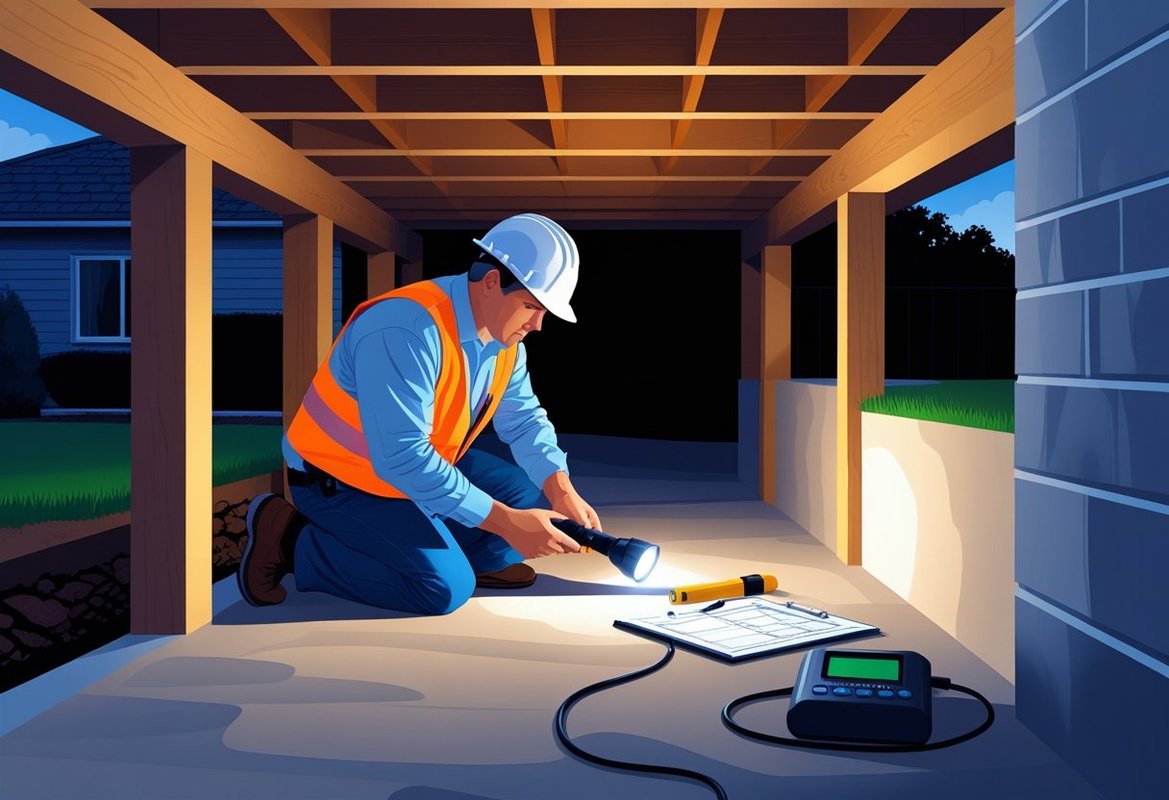
Encapsulate your crawl space. A properly installed vapor barrier system with sealed vents, a drainage mat, and a dehumidifier transforms a crawl space from a liability to an asset. Encapsulated crawl spaces maintain lower humidity, reduce mold risk, and improve energy efficiency.
Check your vapor barrier if you already have one. An old or torn vapor barrier is less effective than none in some situations because it creates a false sense of security. Inspect it annually for rips, standing water on top of it, or areas where it's pulled away from the walls.
Monitor crawl space humidity. A wireless humidity sensor in the crawl space gives you real-time data without having to crawl under the house regularly. Target relative humidity below 60%. Anything consistently above that is a mold risk.
Inspect floor joists and sill plates. Wood rot at the sill plate (where the wood framing meets the foundation) is a sign of chronic moisture intrusion. Soft or discolored wood warrants an inspection and moisture assessment.
HVAC and Humidity Control {#hvac}
Your HVAC system does more than temperature control in Atlanta — it's a critical part of moisture management.
Change filters on schedule. Dirty filters restrict airflow and reduce dehumidification efficiency. In Atlanta's humid climate, your AC's ability to pull moisture from the air matters year-round.
Have your system serviced annually. A technician can check the condensate drain, confirm the system is dehumidifying properly, and spot developing issues before they become failures.
Consider a whole-home dehumidifier. A standalone dehumidifier integrated with your HVAC system is particularly valuable in Atlanta during high-humidity months (May through September). Maintaining indoor relative humidity between 40–50% significantly reduces mold risk and protects wood materials throughout the home.
Inspect ductwork in unconditioned spaces. Ductwork in crawl spaces and attics should be inspected for condensation, mold, or air leaks annually. Sweating ductwork adds moisture to these spaces, which compounds existing humidity issues.
What to Do Before a Major Storm {#storm-prep}
When Atlanta's forecast calls for heavy rain or severe weather:
Clean gutters if they're due. Before a major storm is not ideal timing, but clogged gutters can cause overflow and fascia damage during heavy events.
Move valuables out of basements and crawl spaces. If there's any history of water intrusion in these areas, relocate anything important before a significant rain event.
Check sump pump operation. If you have one, test it by pouring water into the pit. Make sure the float activates the pump and it's discharging away from the house. Consider a battery backup if you don't have one — power outages and heavy rain often occur together.
Document your home's condition. A quick video walkthrough before a storm creates a baseline record if you need to file a claim afterward.
Annual Home Water Damage Checklist {#checklist}
Run through this list once a year — spring is a good time in Atlanta:
- Inspect roof visually from the ground and in the attic
- Clean gutters and check downspout extensions
- Test main water shutoff valve
- Replace washing machine supply hoses if rubber or over 5 years old
- Inspect under-sink supply lines and drain connections
- Flush HVAC condensate line
- Check water heater for age, rust, and corrosion
- Inspect crawl space vapor barrier and humidity levels
- Grade soil around foundation if settled
- Test sump pump if present
- Check exterior caulking around windows and doors
- Inspect visible pipe insulation in crawl space and attic
This checklist takes about 2–3 hours and costs almost nothing. It's cheaper than the deductible on most water damage claims.
For context on what happens when prevention fails and you need to understand restoration costs, our guide on how to calculate the cost of water damage walks through what drives the numbers on a real job.
Frequently Asked Questions {#faq}
What is the most common cause of water damage in homes?
Plumbing failures — particularly supply line failures from appliances like washing machines and refrigerators — are consistently among the top causes of water damage insurance claims. Roof leaks and HVAC condensate issues round out the top three for Atlanta-area homes.
How can I tell if my home is at risk for water damage?
Warning signs include: gutters that overflow during rain, soil that slopes toward the foundation, water stains in the attic or crawl space, appliance supply lines that are more than 5 years old, or a water heater that's past its expected lifespan.
Does a crawl space need a vapor barrier?
Yes, in virtually all cases for Atlanta-area homes. Unencapsulated crawl spaces in Georgia's climate typically run at 70–90% relative humidity during summer months — conditions that support active mold growth and wood deterioration.
How do I prevent frozen pipes in Atlanta?
Insulate any pipes in unconditioned spaces (crawl space, attic, exterior walls). Know where your shutoffs are. During severe cold snaps, let a thin trickle of water run from faucets on exterior walls to keep water moving through vulnerable lines.
Are whole-home water leak detectors worth it?
For most Atlanta homeowners, yes — especially for those who travel regularly or have older plumbing. Systems like Moen Flo ($500–$700 installed) can detect leaks from pinhole drips to main line failures and shut off the water supply automatically. The cost of one prevented flood typically exceeds the device cost by a large margin.
How often should I have my HVAC inspected?
Once a year, ideally in the spring before Atlanta's high-humidity season. The technician should check the condensate line, confirm the system is properly dehumidifying, and inspect any ductwork in unconditioned spaces.
Preventive maintenance is always cheaper than restoration. But when water damage does happen, our water damage restoration team is available 24/7 to respond fast and limit the damage.
Water Damage Atlanta Editorial Team
Restoration & Home Services Expert
We help Atlanta homeowners recover from water damage with trusted advice and local resources.