Will My Insurance Cover Fire and Smoke Damage Restoration in Georgia?
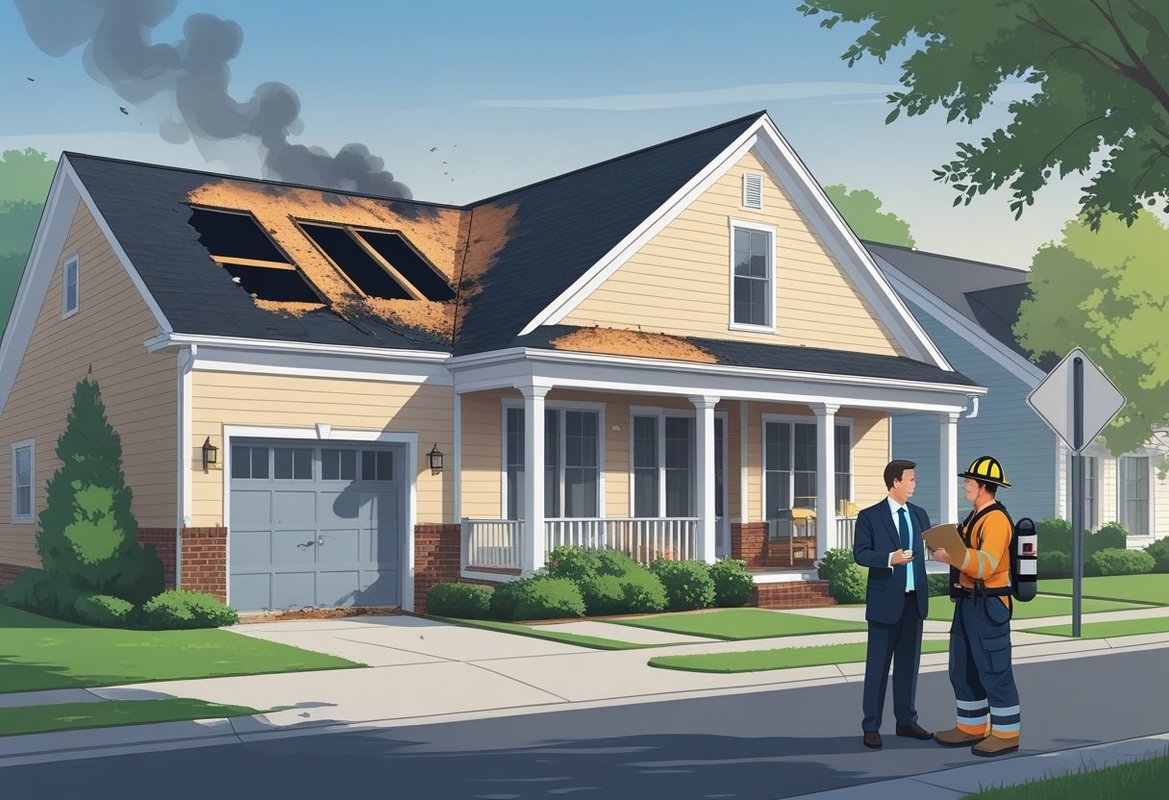
Fire and smoke can do a number on your house. Sometimes the damage is obvious, but other times it hides in the walls, lingers as odors, or shows up as water damage after firefighters leave.
Will My Insurance Cover Fire and Smoke Damage Restoration in Georgia?
Fire and smoke can do a number on your house. Sometimes the damage is obvious, but other times it hides in the walls, lingers as odors, or shows up as water damage after firefighters leave.
A lot of homeowners wonder if insurance will actually cover the cleanup and repairs. In Georgia, most standard homeowners insurance policies include fire and smoke damage restoration, but the details can get a little tricky depending on your policy.
It helps to know what your policy covers before disaster strikes. Most policies pay for structural repairs and smoke cleanup, but there are always exceptions and fine print.
If you live in the Atlanta, GA area—maybe Marietta, Decatur, or Sandy Springs—getting familiar with your policy and the claims process can save you a lot of headaches.
Does Insurance Cover Fire and Smoke Damage Restoration in Georgia?
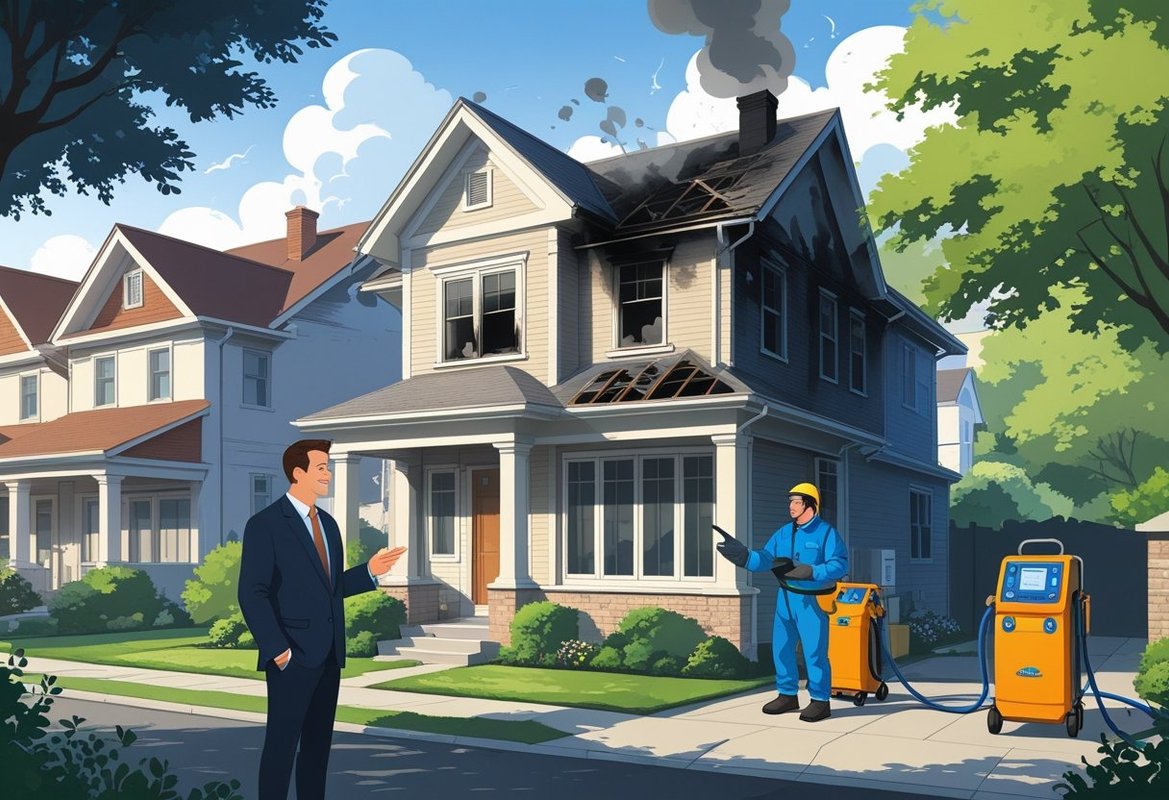
In Georgia, homeowners usually depend on insurance to handle the high costs of fire and smoke repairs. Most policies cover fire losses, but smoke damage coverage and exclusions can vary by insurer and policy.
Standard Fire Insurance Policy Provisions
Most homeowners insurance policies include fire damage as a basic feature. This usually pays for repairs to your house, replacing damaged belongings, and even covers hotels or rentals if your home isn’t livable.
Coverage applies whether the fire started in your house, a neighbor’s, or from a wildfire. Insurers often ask for proof about what caused the fire and how bad the damage is.
Water damage from firefighting efforts is usually covered too. That means repairs for wet walls, ruined floors, and soaked furniture can be part of your claim.
If you’re in Roswell or Smyrna, GA, double-check your policy for coverage amounts and limits. Deductibles and caps can really affect your payout.
Smoke Damage Coverage Details
Smoke damage can be a headache when it comes to insurance. Most policies cover it, but some limit how much they’ll reimburse or want extra paperwork.
Smoke gets everywhere—walls, ceilings, HVAC systems, and your stuff. Restoration often includes soot removal, odor treatments, and air duct cleaning. These services aren’t cheap.
When you file a smoke damage claim, you’ll want to:
- Take lots of photos of visible damage and list affected items.
- Get professional assessments for hidden issues, like residue in vents.
- Work closely with your adjuster to document everything.
Restoration companies in Atlanta, GA, and nearby areas often help with both the cleanup and the insurance paperwork.
Limitations and Exclusions
Insurance doesn’t cover every fire or smoke event. If the fire was set on purpose by the homeowner, that’s not covered. Damage from neglect or poor maintenance might get denied too.
Some policies exclude smoke from industrial or farm sources. If a fire starts because of an earthquake or flood, you’ll need extra coverage for that.
Policy limits matter. Even if you’re covered, you won’t get more than the maximum stated in your policy. Always check your coverage caps, deductibles, and endorsements.
Insurers in Georgia might require you to use approved contractors for repairs. Not following claim procedures or missing paperwork can delay or reduce your payment.
Understanding Your Fire and Smoke Damage Insurance Policy
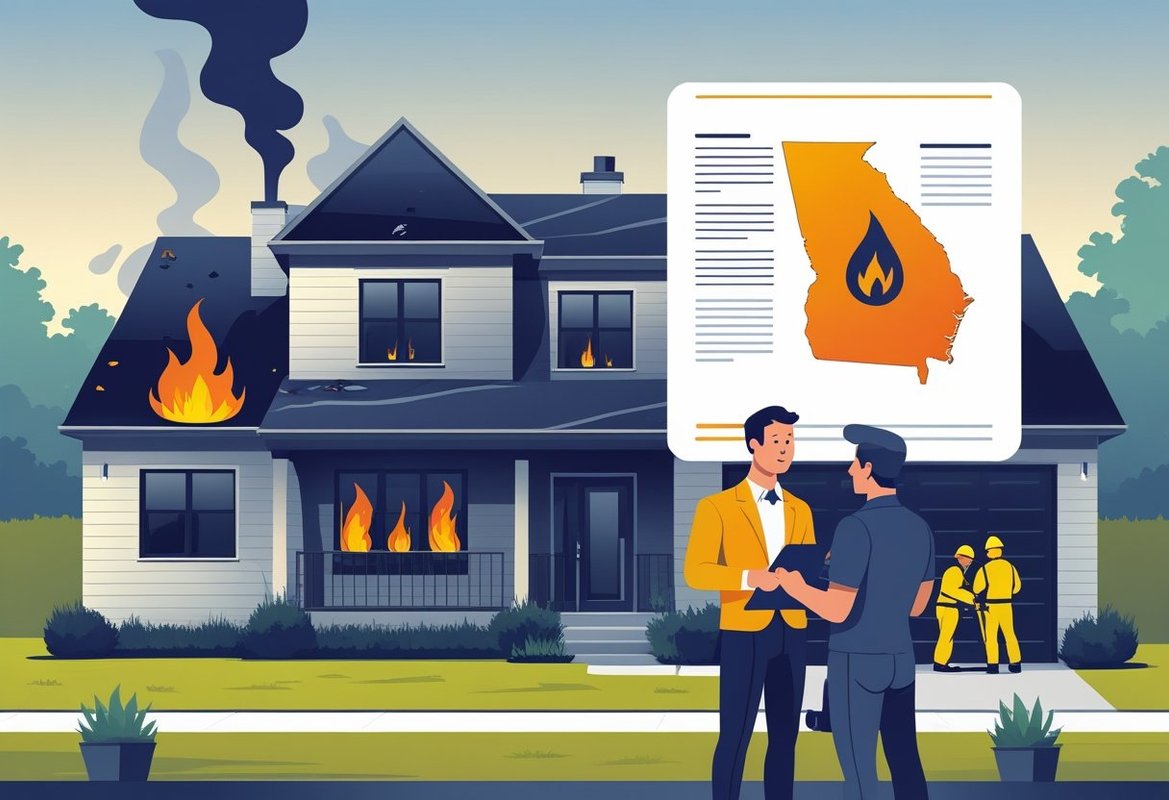
Your insurance policy spells out what it will cover for fire and smoke damage. The details—like policy language, limits, and exclusions—decide how much you’ll actually get after a loss.
Key Terms and Definitions
It’s helpful to know the lingo. Fire damage means destruction from flames. Smoke damage covers discoloration, lingering smells, and residue affecting your walls, furniture, or electronics.
You’ll see terms like dwelling coverage (for the structure), personal property coverage (for your stuff), and loss of use (for living expenses).
Actual cash value (ACV) pays for the item minus depreciation. Replacement cost value (RCV) covers the cost to buy new. That difference can be a big deal.
Knowing these terms helps you figure out what’s covered and what you’ll pay out of pocket.
Covered Perils and Policy Limits
Most Georgia homeowners insurance policies include fire protection. This usually covers accidental fires, lightning, electrical issues, and sometimes wildfires.
Coverage often pays for:
- Repairs to your home’s structure
- Replacing belongings ruined by fire or smoke
- Cleanup and restoration, like soot and odor removal
- Temporary housing if your home is unsafe
Policy limits set the max you can claim. For example, a $250,000 dwelling limit means that’s the most you’ll get for repairs. Personal property limits are usually a percentage of that—often 50–70%.
Review your declarations page to see your exact limits and if you have any extra coverage.
Common Exclusions in Georgia
Some situations aren’t covered. If you set the fire yourself, insurance won’t help. Negligence, like ignoring faulty wiring, can also limit what you get.
If you live in a wildfire-prone area—maybe near Kennesaw Mountain—your insurer might have restrictions. You could need a special fire insurance endorsement.
Other exclusions might include:
- Damage from earthquakes or floods (unless you have extra coverage)
- Wear and tear or old damage
- Minor smoke from fireplaces or cooking that doesn’t cause a fire
Exclusions vary, so read your policy and ask your agent if you’re unsure.
The Insurance Claims Process for Fire and Smoke Damage
Dealing with a fire or smoke claim means documenting everything, reporting quickly, and staying in touch with your insurer. The process can affect how much you get and how fast you can start repairs.
Documenting Damage for Claims
Good documentation is key. Take clear photos and videos of all damaged areas—walls, furniture, everything. Get both close-ups and wide shots.
Make a detailed inventory of damaged belongings. Here’s a simple format:
| Item | Description | Condition Before Fire | Estimated Value |
|---|---|---|---|
| Sofa | Leather, brown | Good | $900 |
| TV | 55-inch flat screen | Excellent | $600 |
Receipts, warranties, and bank statements help support your claims. If damage is hidden—like inside vents—get a pro inspection.
Filing a Fire Damage Claim
Once you’ve gathered your evidence, contact your insurance company right away. Most policies require fast reporting, sometimes within a few days.
Submit your inventory, photos, and repair estimates. Insurers usually want a statement about how the fire started and what’s damaged. Be accurate—mistakes can cause problems later.
Keep copies of everything you send. Staying organized helps you meet deadlines and keep track of what’s been submitted.
Working With Insurance Adjusters
The adjuster inspects your property, checks your documentation, and decides your payout. Be present during the inspection and point out all damage, even hidden spots.
If their estimate seems too low, you can ask for another opinion from an independent adjuster or contractor.
Ask questions about your coverage, exclusions, and the claim timeline. Take notes during conversations to avoid confusion later.
Professional Fire and Smoke Damage Restoration Services
Restoring fire and smoke damage isn’t just about cleaning. It takes specialized skills, the right equipment, and a team that knows how to handle soot, odors, and structural repairs.
Role of Professional Cleaning
Smoke and soot settle deep into surfaces—walls, ceilings, furniture. Regular cleaning products won’t cut it. Pros use dry sponging, HEPA vacuums, and chemical sponges to get rid of residues.
They also sanitize to remove toxins left by smoke. Sometimes, carpets and upholstery need deep cleaning or replacement. Restoration crews can even clean electronics and documents if possible.
A thorough cleaning stops further damage and makes your home safe to re-enter.
Restoration Techniques and Equipment
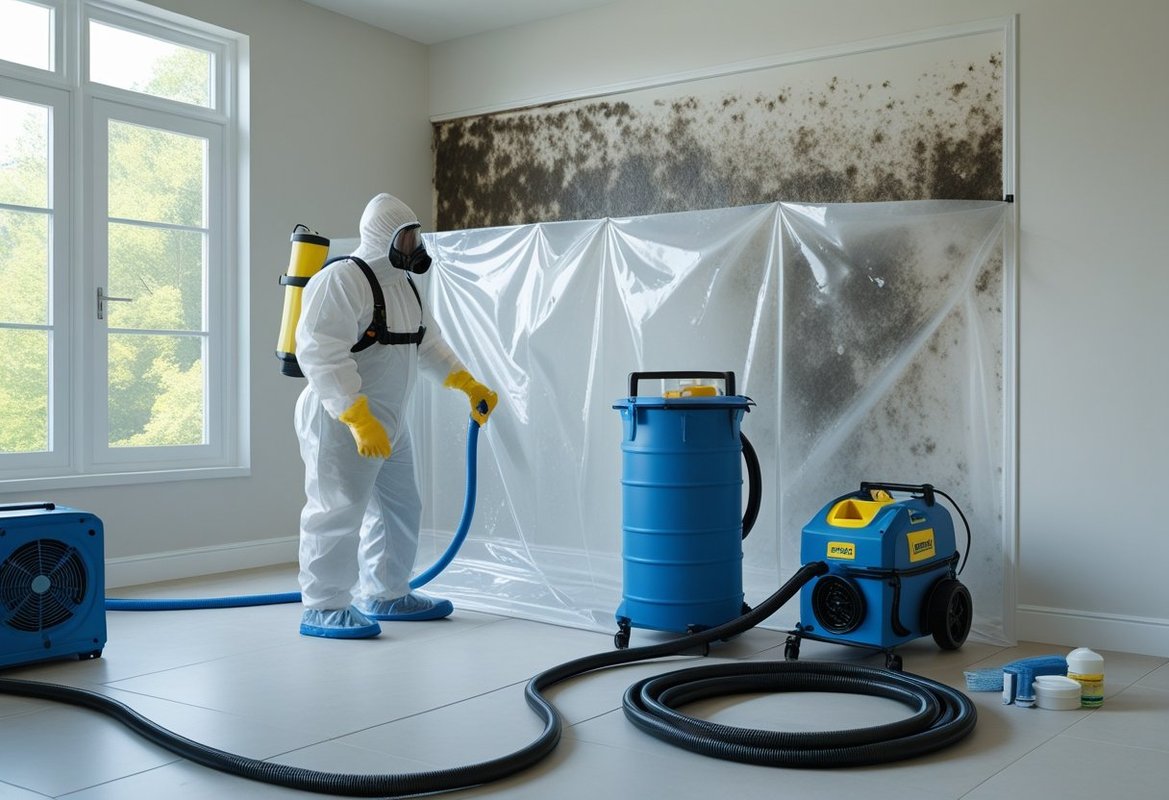
Restoration companies bring out the big guns: air scrubbers, ozone machines, and thermal foggers to remove odors. These tools reach places you can’t see.
Major repairs might include replacing drywall, insulation, or flooring. For heavy smoke, sealing walls and ceilings keeps odors from coming back.
Water damage from firefighting is another issue. Dehumidifiers and industrial fans dry things out to prevent mold. This step needs to happen before rebuilding.
With the right gear, restoration teams can get your home—and air quality—back to normal faster.
Choosing a Qualified Restoration Company
Picking the right company makes a huge difference. Look for licensed, insured, and certified pros—check for IICRC certification.
Find a company that offers 24/7 emergency response, especially around Atlanta or Alpharetta, since damage gets worse fast. Experience with insurance claims helps too.
Read reviews, ask for references, and compare services. Companies that handle both cleaning and repairs make the process smoother.
A solid team brings expertise, equipment, and support to help you get back to normal life sooner.
When you're ready to hire, browse vetted fire damage restoration companies near Atlanta to find certified specialists.
What to Expect During the Damage Assessment
A damage assessment shows how bad the fire and smoke damage is and helps with insurance claims. Inspectors check for safety risks, structural problems, and personal property damage before writing up a report.
Initial Inspection and Safety Measures
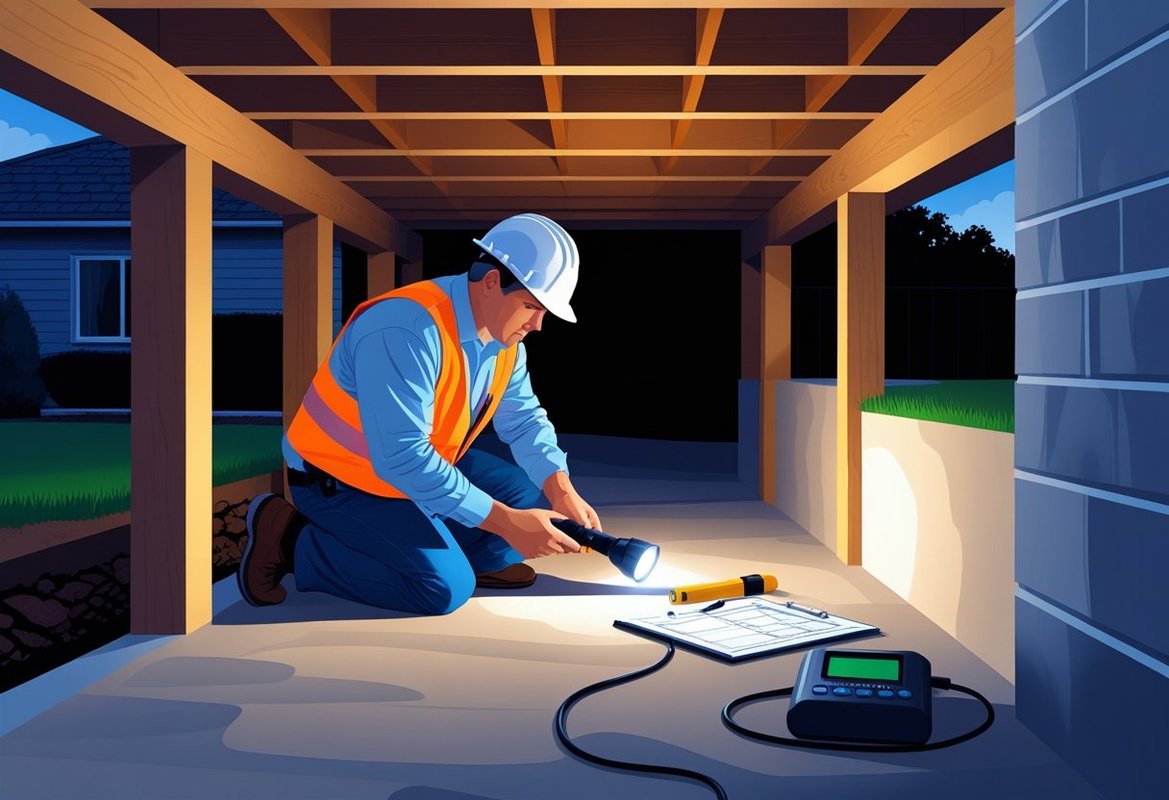
Safety comes first. Inspectors look for hazards like weak floors, unstable walls, or exposed wires. If it’s not safe, they’ll keep people out until it’s fixed.
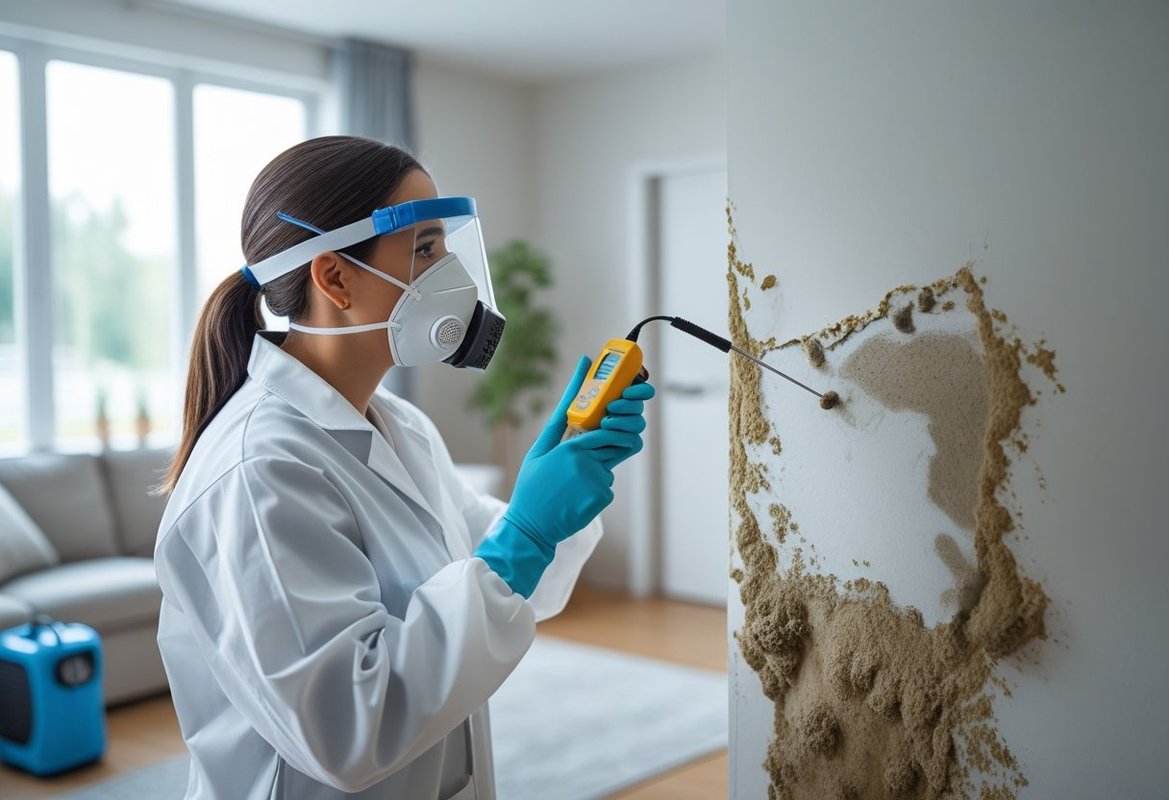
They also check for risks from lingering smoke and soot. Air quality testing might be needed, and sometimes you’ll need protective gear to enter.
During this phase, documentation starts—photos, videos, notes. This info goes to the insurance adjuster to back up your claim.
Key safety checks include:
- Structural stability (walls, ceilings, floors)
- Electrical and plumbing systems
- Air quality for smoke and soot risks
Assessing Structural and Personal Property Damage
After making sure the property’s safe, inspectors check how much of the structure and belongings took a hit. They’ll look at the roof, framing, insulation, and foundation for signs of heat or smoke damage. Even rooms that didn’t burn might have hidden issues like warped boards or smoke that seeped in.
Personal property gets a separate once-over. Inspectors look at furniture, appliances, clothing, and electronics to see what fire, heat, or smoke touched. They’ll usually sort things into salvageable, repairable, or total loss.
A detailed inventory backs up your insurance claim. It usually covers:
- Structural elements (roof, walls, floors)
- Major systems (HVAC, wiring, plumbing)
- Contents (furniture, electronics, personal items)
If you’re in Decatur, GA or Sandy Springs, GA, having this list ready can really help with the insurance process.
Tips for Navigating Fire and Smoke Damage Insurance in Georgia
Georgia homeowners often run into headaches when filing insurance claims after fire or smoke damage. Most policies cover both, but the fine print can trip you up. Mess up the process, and you might wait longer or get less money than you expect.
Understanding State Regulations
Georgia law says standard homeowners insurance must cover fire damage. Smoke damage, though, sometimes falls under special terms. Insurers might slip in exclusions or limits, so it pays to read your policy closely.
The Georgia Office of the Commissioner of Insurance keeps an eye on how companies handle claims. If you think your insurer’s dragging their feet or being unfair, you can reach out to them.
State law says insurers have to investigate claims quickly. So, expect an adjuster to check out the damage before you make any permanent repairs. If you fix things too fast, your insurance company could use that as a reason to deny part of your claim.
Keep records of any property improvements, receipts, and photos of the damage. If you’re getting mold remediation in Marietta, GA after a fire, for example, detailed documentation can make a big difference. Disputes over smoke damage happen all the time, so the more proof you have, the better.
Avoiding Common Claim Pitfalls
A lot of claims go sideways because homeowners rush or don’t show enough proof. Tossing out smoke-damaged items before the adjuster visits? That can cut your payout.
Don’t assume every bit of smoke damage will be covered. Some policies need extra riders or have cleaning and remediation limits. Go over your policy before you file to avoid any nasty surprises.
Vague estimates are another trap. Always get written repair quotes from licensed contractors and show them to your adjuster. Clear numbers help your case.
Report your claim as soon as possible. Most insurers want quick notice after a fire. Wait too long, and you could lose coverage or get denied.
Frequently Asked Questions
Homeowners around Atlanta, GA, and nearby spots like Roswell, GA, often wonder what’s actually covered after a fire, what the exclusions are, and how the claims process really works. People also ask about temporary housing, documentation, and how to make sure their policy matches the real risks.
What types of fire damage are typically covered by homeowners insurance in Georgia?
Most Georgia policies cover damage from flames, smoke, and soot. Water damage from firefighters is usually included too. Both the building and your stuff inside are typically protected.
Are there specific exclusions to be aware of regarding fire and smoke damage in Georgia insurance policies?
Some policies won’t cover damage from neglect, intentional acts, or just not keeping up with maintenance. Smoke damage sometimes only counts if it’s from a sudden, accidental fire. Always check your policy for any special limits or weird restrictions.
How does the claims process work for fire and smoke damage under Georgia insurance laws?
You start by notifying your insurer right away. An adjuster comes out, looks at the damage, checks your paperwork, and figures out the costs. Georgia law says insurers have to act in good faith and explain in writing if they deny or lower your claim.
Will additional living expenses be covered if I'm displaced due to fire damage in my Georgia home?
Most policies offer coverage for additional living expenses, or ALE. That helps pay for temporary housing, meals, and other costs if you can’t stay home during repairs. The amount depends on your policy’s limits.
What documentation is required to file a fire damage claim with my insurance company in Georgia?
You’ll need photos or videos of the damage, a list of lost or damaged items, and receipts for repairs or temporary housing. Fire department reports and contractor estimates can help too. Keeping everything organized makes the process smoother.
How can I ensure that my property is adequately insured against potential fire and smoke damage in Georgia?
Check your policy limits every so often to make sure they actually cover what it would cost to rebuild your place.
If you have valuables, consider adding endorsements or riders for extra protection.
Honestly, it’s smart to work with a licensed insurance agent in the Atlanta, GA area—maybe even someone local to Marietta or Decatur. They’ll spot coverage gaps you might miss and help you tweak things as needed.
See our guide on estimating restoration costs in Atlanta to understand typical price ranges.
Water Damage Atlanta Editorial Team
Restoration & Home Services Expert
We help Atlanta homeowners recover from water damage with trusted advice and local resources.