Secondary Water Damage: What It Is and Why Delayed Restoration Costs You More

Secondary Water Damage: What It Is and Why Delayed Restoration Costs You More
Most homeowners understand that water damage is a problem. Fewer realize that waiting to address it — even by just a day or two — often creates a second, more serious problem on top of the first.
That's secondary water damage. And it's the reason a $2,000 restoration job can turn into a $10,000 project seemingly overnight.
Our water damage restoration team responds to secondary damage situations constantly. The story is almost always the same: the initial event was manageable, but the delay made it serious. Here's what's actually happening inside your home when water sits, and why speed is the single most important factor in keeping costs down.
Table of Contents
- What Is Secondary Water Damage?
- Primary vs. Secondary Water Damage
- How Secondary Damage Develops
- The Timeline: What Happens Hour by Hour
- The Most Common Forms of Secondary Damage
- Does Insurance Cover Secondary Water Damage?
- How to Prevent Secondary Water Damage
- FAQ
What Is Secondary Water Damage? {#what-is}
Secondary water damage is any damage that develops as a result of water that wasn't properly removed or dried — not from the original water event itself.
The original flood, burst pipe, or appliance overflow is the primary damage. Everything that happens because that water wasn't extracted and dried fast enough — mold growth, structural deterioration, warping, rot, rust, and contamination spread — is secondary damage.
The critical distinction matters for more than just terminology. Insurance companies often treat primary and secondary damage differently. And the practical cost gap between the two is enormous.
Primary vs. Secondary Water Damage {#primary-vs-secondary}
Primary damage happens fast. Water hits surfaces, soaks into materials, damages contents. This is the damage you see immediately after a water event — wet carpet, soaked drywall, flooded floors.
Secondary damage is slower, but often worse. It develops in the hours, days, and weeks after the initial event, driven by moisture that was never fully removed.
Think of it this way: primary damage is the punch. Secondary damage is the infection that develops from the wound you didn't treat.
The tricky part is that secondary damage often isn't visible right away. It's happening inside walls, under flooring, in HVAC systems, and within structural materials — quietly compounding while things look stable on the surface.
How Secondary Damage Develops {#how-it-develops}
Water moves. It follows gravity, wicks into porous materials, and travels along structural elements far from the original event. Once moisture is in a material, it begins breaking down that material from the inside.
At the same time, the elevated humidity created by evaporating water affects everything in the surrounding environment. That moisture-laden air settles into furniture, electronics, clothing, and building materials that may not have had direct contact with water at all.
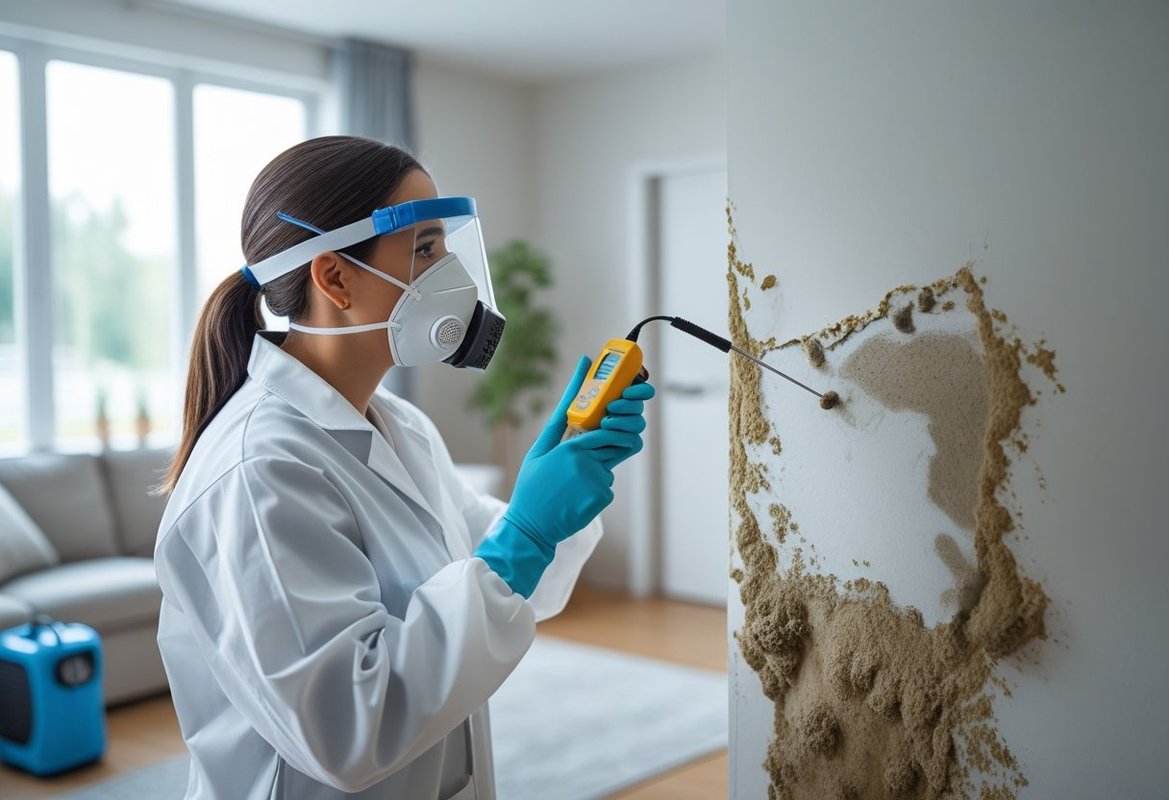
And then mold. Mold spores are present in virtually every home. They need two things to colonize: a surface and moisture. After a water event, both are available in abundance. Mold can begin visibly growing within 24–48 hours and spread rapidly if drying doesn't happen.
In Atlanta's climate, where ambient outdoor humidity is already high, the environmental conditions that allow secondary damage to develop are present year-round. Homes in areas like Smyrna and across Cobb County deal with this more aggressively than homeowners in drier regions.
The Timeline: What Happens Hour by Hour {#timeline}
0–1 hours: Water soaks into flooring, drywall, and furniture. Surface damage is visible. Porous materials begin absorbing.
1–12 hours: Water wicks further. Wood swells. Drywall begins to soften. Metal surfaces begin to show rust spots. Odors from organic materials start to develop.
12–24 hours: Drywall may begin to crumble. Doors and window frames swell and stick. Furniture legs and bases absorb water and begin to deteriorate. Biological contaminants begin multiplying rapidly in standing water.
24–48 hours: Mold growth begins on porous surfaces. Paint bubbles and lifts. Hardwood floors cup or buckle. Plywood subfloors begin delaminating. Structural wood absorbs enough moisture to become a mold growth surface itself.
72 hours–1 week: Mold colonies are established and spreading. Structural wood starts to weaken. Metal corrodes. HVAC systems may begin circulating mold spores if they were running during the event.
1 week+: Wood rot can begin in continuously saturated framing. Structural integrity is at risk in severe situations. Mold has likely spread to areas well beyond the original water boundary.
Every hour matters. This isn't exaggeration — it's chemistry and biology.
The Most Common Forms of Secondary Damage {#common-forms}
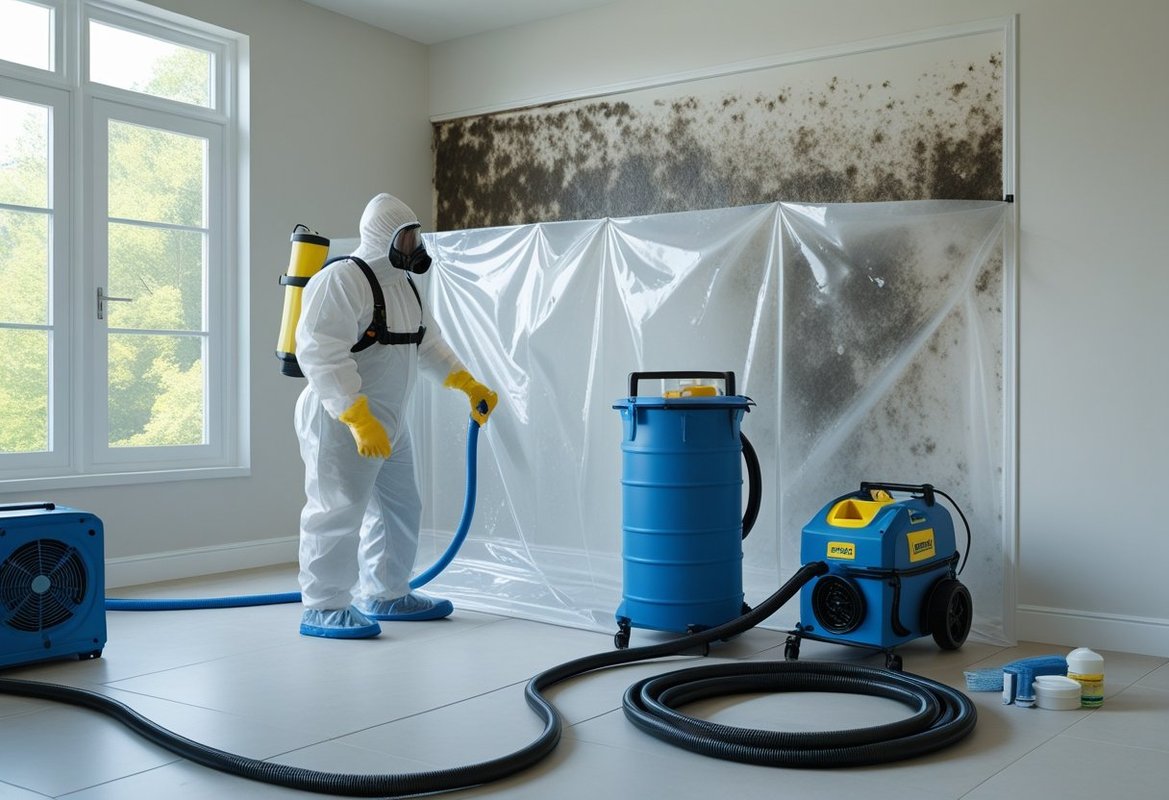
Mold growth is the most discussed form of secondary damage, and for good reason. Once established, mold requires a full remediation protocol — containment, HEPA vacuuming, antimicrobial treatment, often material removal — that adds significant cost on top of the original restoration.
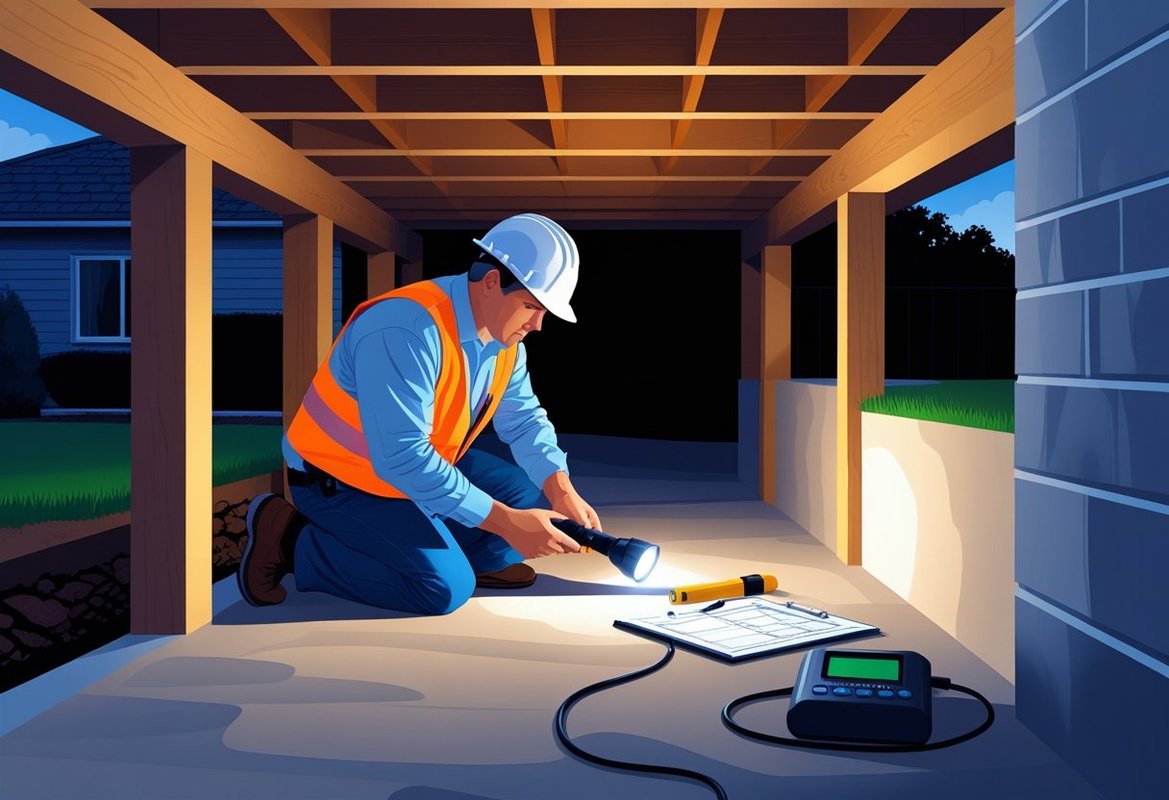
Structural weakening happens when framing lumber, subfloor panels, or sheathing remain wet long enough to begin breaking down. Plywood subfloors delaminate. OSB swells and loses cohesion. Solid lumber absorbs enough moisture to lose structural integrity over time.
Corrosion and rust affect any metal in the affected area: pipes, fasteners, electrical boxes, HVAC components, and appliances. Metal that appears fine after a water event can develop significant corrosion in the weeks that follow.
Efflorescence in concrete — that white powdery residue you sometimes see on basement walls — is mineral deposits left behind as water moves through concrete and evaporates. It's a secondary effect that indicates ongoing moisture movement through the structure.
HVAC contamination is a serious concern when a water event affects a mechanical room or when an HVAC system runs during or after a flood. Moisture and debris that enter ductwork can create long-term air quality problems and distribute mold spores throughout the home.
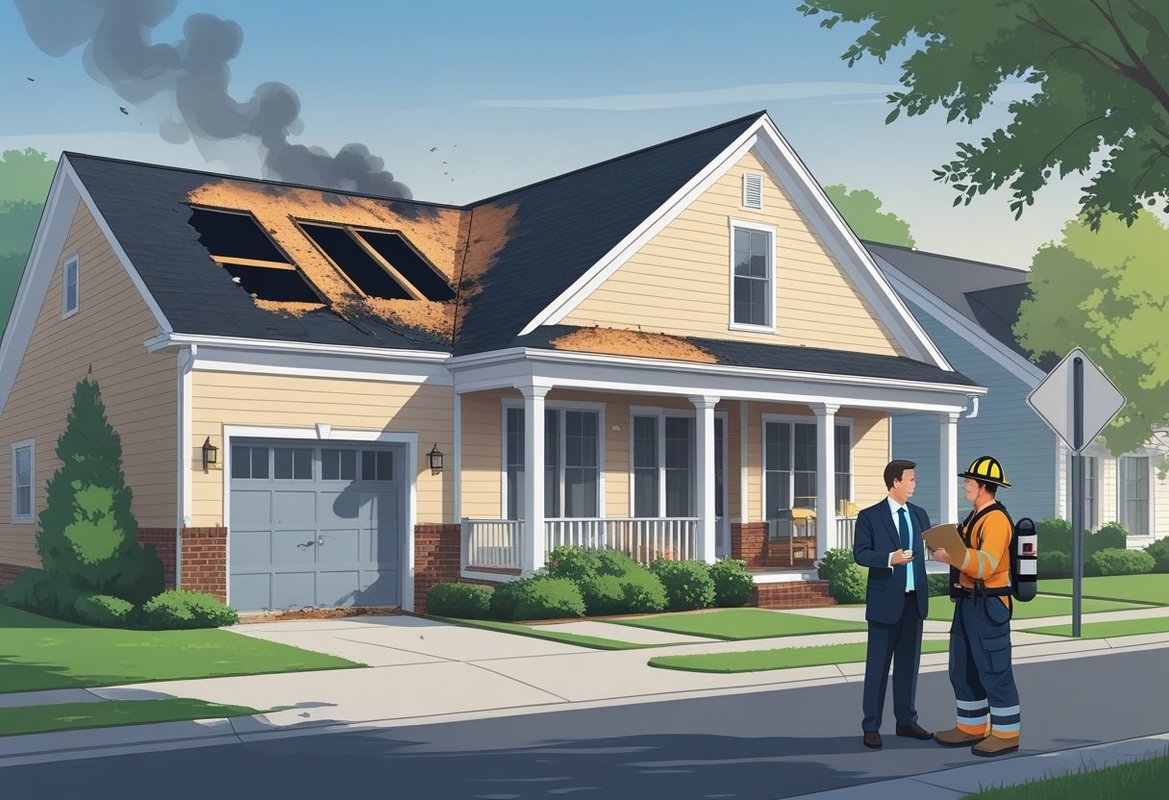
Electrical system damage develops when water contacts wiring, panels, or outlets and isn't followed by proper drying and inspection. Corrosion on connections and components can create fire hazards that aren't immediately apparent.
Content damage beyond the initial event — electronics, clothing, books, furniture — continues to deteriorate as long as humidity remains elevated. Items that survived the initial event can be ruined by the secondary humidity environment.
Does Insurance Cover Secondary Water Damage? {#insurance}
This is where it gets complicated.
Insurance companies generally expect policyholders to mitigate damage promptly. Your policy almost certainly includes language requiring you to take "reasonable steps" to prevent further damage after an insured event.
If secondary damage develops because you waited too long to start restoration, or declined professional remediation in favor of DIY efforts that weren't sufficient, the insurer may deny coverage for that secondary damage — even if the original event was fully covered.
The argument they make: you had a covered event, but the secondary damage was preventable and resulted from your failure to act.
This is one of the strongest arguments for calling professionals immediately, not days later. A restoration company's documented response time and professional drying logs can make the difference in a contested secondary damage claim.
What's typically covered:
- Mold that developed directly and rapidly from a covered water event
- Structural damage that resulted from the covered event
What's often disputed or denied:
- Mold that developed because restoration was delayed
- Secondary damage that accumulated over weeks
- Damage to HVAC or electrical if the homeowner continued using them after the event
For more on navigating the insurance piece of a water damage situation, our guide on what to expect from insurance companies covers the claims process from first call to settlement.
How to Prevent Secondary Water Damage {#prevention}
The answer is simple, even if the execution isn't always easy: act fast.
Call professionals immediately. Don't wait to "see how bad it is." Extraction and drying equipment running within hours of a water event is the single most effective way to prevent secondary damage.
Keep the HVAC off in affected areas. Running your heating and cooling system circulates humid air (and potentially spores) throughout the home. Turn it off in the affected zone until professionals assess it.
Remove wet items from the area. Saturated rugs, furniture, and textiles that stay in a wet room contribute to the ambient humidity that drives secondary damage. Get them out.
Run dehumidifiers if you have them. Consumer-grade dehumidifiers can help but won't match the capacity of commercial equipment. Run them while you wait for professionals to arrive.
Open windows only if outdoor humidity is low. In Atlanta's summer months, opening windows to "let things air out" can actually bring in more moisture than you're releasing. Check the outdoor humidity before ventilating.
Don't try to dry in place what needs to come out. Soaked carpet padding, saturated insulation, and waterlogged drywall can't dry effectively in place. Leaving them creates a sustained moisture reservoir that drives secondary damage in everything around them.
Frequently Asked Questions {#faq}
What is the difference between primary and secondary water damage?
Primary damage is caused directly by the water event — soaking, flooding, immediate material saturation. Secondary damage is everything that develops afterward due to lingering moisture: mold, structural weakening, corrosion, and humidity-related deterioration.
How quickly does secondary water damage develop?
Mold can begin growing within 24–48 hours. Other forms of secondary damage — swelling, corrosion, structural softening — start within the same timeframe but may not be visible for days or weeks. The damage clock starts the moment the water event occurs.
Can I prevent secondary water damage myself?
Partially. Removing wet materials, running dehumidifiers, and keeping humidity down can slow secondary damage. But consumer equipment can't match the drying capacity of professional commercial gear, and it's easy to miss moisture in walls, subfloors, and other hidden areas.
Does homeowners insurance pay for secondary water damage?
It depends on whether you mitigated promptly. Insurers expect policyholders to act quickly to prevent further damage. Secondary damage that develops because restoration was delayed may be excluded even if the original event was covered.
Is mold considered secondary water damage?
Yes. Mold grows as a result of moisture that wasn't removed — it's a secondary consequence of an unaddressed primary water event. This is why mold remediation costs appear as a separate line item on top of water damage restoration in most major claims.
Can secondary damage lower my home's value?
Significantly. Undisclosed water or mold history can lead to inspection findings that reduce sale price or kill deals entirely. Properly addressed and documented water damage with clearance testing is much less damaging to resale than undisclosed or improperly handled situations.
Every hour you wait after a water event increases the odds and cost of secondary damage. Our water damage restoration team is available 24/7 with commercial drying equipment to stop secondary damage before it starts.
Water Damage Atlanta Editorial Team
Restoration & Home Services Expert
We help Atlanta homeowners recover from water damage with trusted advice and local resources.