Water Damage Behind Walls: How to Detect It and What to Do

Water Damage Behind Walls: How to Detect It and What to Do
The most expensive water damage is the kind you can't see.
A leaking pipe inside a wall can drip for weeks without showing obvious signs. By the time you notice discoloration, a soft spot, or a musty smell, mold may already be growing, and structural materials may already be compromised.
Knowing how to spot hidden water damage — and what to do about it — can save you tens of thousands of dollars in repairs. Our water damage restoration team finds behind-wall damage regularly, and it almost always costs more to fix than it would have with earlier detection.
Table of Contents
- Why Wall Water Damage Goes Undetected
- Warning Signs of Water Damage Behind Walls
- How Professionals Detect Hidden Water Damage
- What Happens Inside a Wall When Water Gets In
- How to Find the Source
- What to Do Once You Find It
- How Much Does It Cost to Fix?
- FAQ
Why Wall Water Damage Goes Undetected {#why-undetected}
Walls are good at hiding problems. Drywall absorbs moisture before it shows surface signs. Insulation traps water and slows visible indicators. Paint and wallpaper mask discoloration until it becomes severe.
A slow drip from a pinhole in a copper supply line can introduce enough moisture to support mold growth without ever creating a visible wet spot on the surface. The same goes for condensation on cold pipes, slow drain leaks in wall cavities, and roof water that travels along rafters before dripping internally.
In Atlanta's climate, this problem is compounded. High humidity means moisture levels inside walls are already elevated compared to drier regions, making it harder for materials to dry out naturally even after a small intrusion.
Warning Signs of Water Damage Behind Walls {#signs}
These are the signals worth paying attention to:
Discoloration or staining. Yellow, brown, or tan stains on drywall or paint are the most common visible indicator. A stain that grows over time means active water intrusion. A stain that's stable may indicate a past event that dried on its own — or thinks it did.
Bubbling, peeling, or warping paint. Paint lifts from the surface when moisture accumulates underneath. Wallpaper that bubbles or separates at seams is showing the same thing.
Soft or spongy drywall. Press lightly on a suspicious area. Drywall that gives slightly or feels different from the surrounding area has absorbed moisture.
Musty smell without a visible source. This is a reliable early indicator. Mold growing inside a wall produces a distinctive earthy, musty odor before it's ever visible. If you smell it consistently in one area of your home, take it seriously.
Visible mold at baseboards or trim. Mold that appears at the bottom of a wall often indicates water is pooling at the base of the cavity above. The mold you see at the surface is usually much smaller than what's happening behind it.
Increased water bills. A supply line leak inside a wall won't announce itself, but your water bill might. An unexplained increase in usage with no obvious cause is worth investigating.
Warped or buckled flooring near walls. Water that comes through a wall often travels down and into the subfloor. Flooring that buckles or separates near a wall line may be picking up moisture from a wall cavity above.
Sounds of running water when nothing is on. Dripping, trickling, or flowing water heard in a wall between uses is a clear signal something is wrong.
How Professionals Detect Hidden Water Damage {#detection}
Restoration professionals have several tools that find what eyes can't.
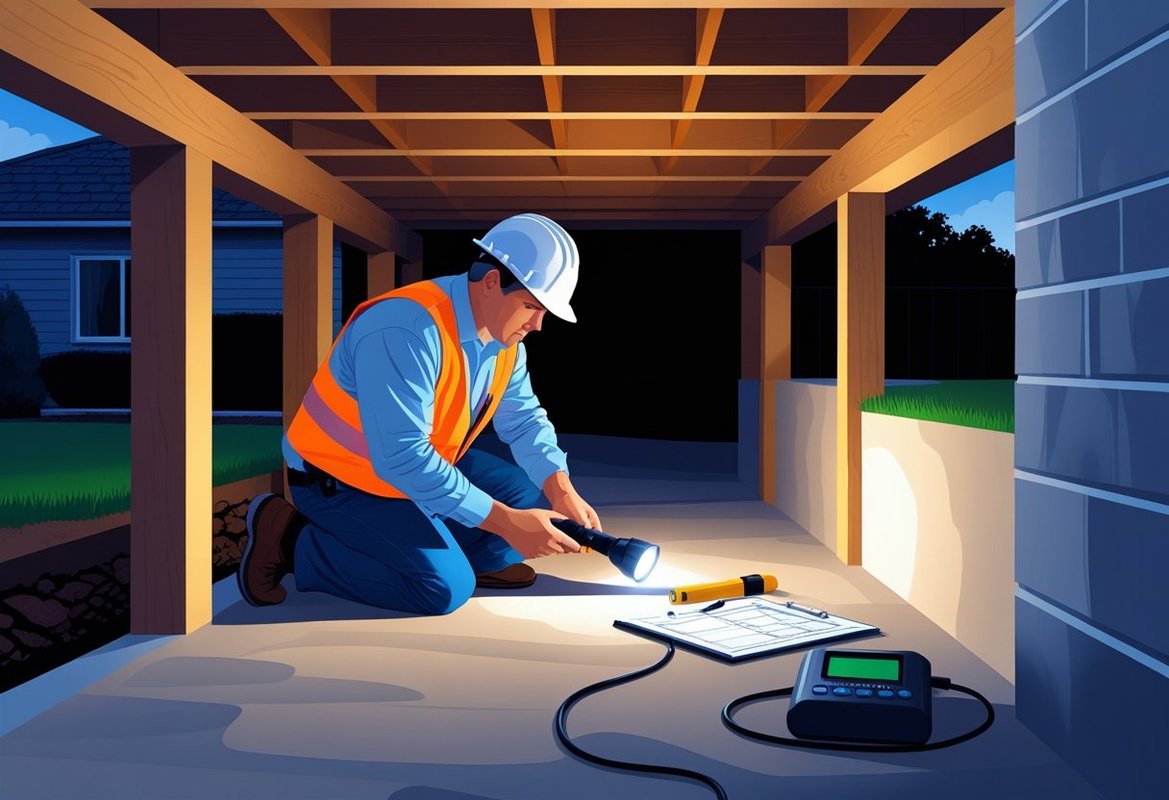
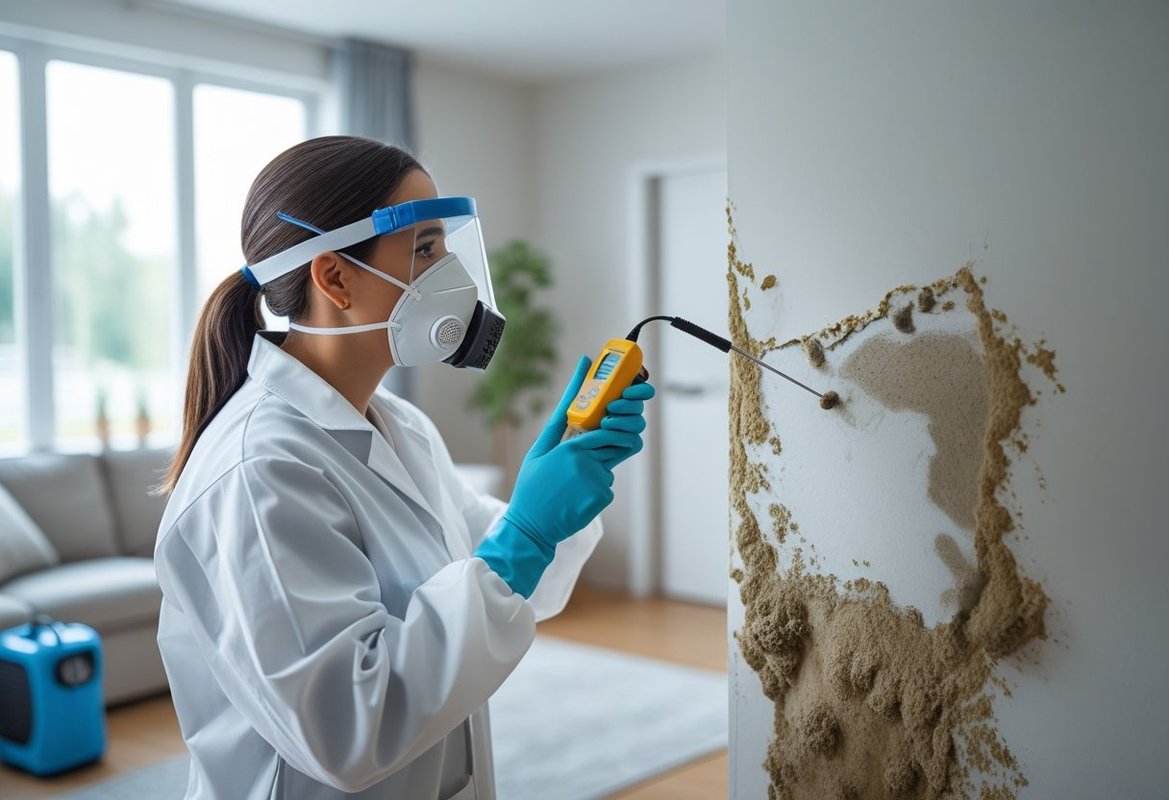
Moisture meters. Pin-type and non-invasive moisture meters measure moisture content in wall materials without opening anything up. They can identify elevated readings behind drywall and along studs even when the surface appears dry.
Infrared (thermal) cameras. These cameras detect temperature differences in materials. Water cools as it evaporates, creating cold spots visible on thermal imaging. A single thermal scan of a wall can reveal hidden moisture pockets that would take days of visual inspection to find.
Borescope cameras. For situations where thermal imaging is inconclusive, a small hole and a borescope camera give a direct look inside the wall cavity without major demolition.
Hygrometers and psychrometers. These measure ambient humidity and help determine whether moisture readings are consistent with normal environmental conditions or indicate an active intrusion.
These tools allow pros to locate and map the extent of water damage without tearing out healthy material unnecessarily. A good assessment in Alpharetta or anywhere in metro Atlanta should include thermal imaging as standard practice.
What Happens Inside a Wall When Water Gets In {#inside-wall}
Here's the timeline of damage progression once water gets inside a wall:
0–24 hours. Water soaks into drywall and insulation. No visible surface signs yet. The clock for mold growth has started.
24–48 hours. Drywall becomes saturated. The paper facing begins to delaminate from the gypsum core. Mold spores in the environment begin to colonize moist surfaces.
48–72 hours. Active mold growth begins. Framing lumber starts to absorb moisture. If the water source is still active, the spread widens.
1 week+. Drywall may begin to crumble or develop visible surface indicators. Mold colonies are well established. Framing begins to lose structural integrity if it's been saturated long enough.
Months. Wood rot sets in. Serious structural damage to studs, plates, and sheathing becomes possible. The remediation and repair scope at this stage is dramatically larger and more expensive.
How to Find the Source {#find-source}
Before any repair makes sense, you have to find where the water is coming from. Common sources of behind-wall moisture:
Supply line leaks. The pipes feeding sinks, toilets, washing machines, and refrigerator ice makers run through walls. Pinhole leaks, corroded fittings, and loose connections are common culprits.
Drain line leaks. Slow drain leaks at connections and P-traps can drip into wall cavities over long periods.
Roof penetrations. Water that enters through a failing vent boot, chimney flashing, or cracked roofing material often travels along rafters and sheathing before dripping into interior walls far from the actual entry point.
Window and door flashing. Improperly sealed windows allow rain to infiltrate wall cavities, especially in older Atlanta homes with aging caulk and wood trim.
HVAC condensation. Condensate lines that become clogged can overflow into wall cavities. Ducts that sweat in humid conditions add moisture too.
Foundation and exterior grading. Water that pools against the foundation can wick into basement or lower-level walls through porous concrete or block.
Finding the source before starting any repair is non-negotiable. Fixing the wall without fixing the water source is temporary. The damage will come back.
What to Do Once You Find It {#what-to-do}
Stop the water source first. Turn off supply valves, redirect drainage, or tarp a roof penetration. Whatever it takes to stop active intrusion before anything else happens.
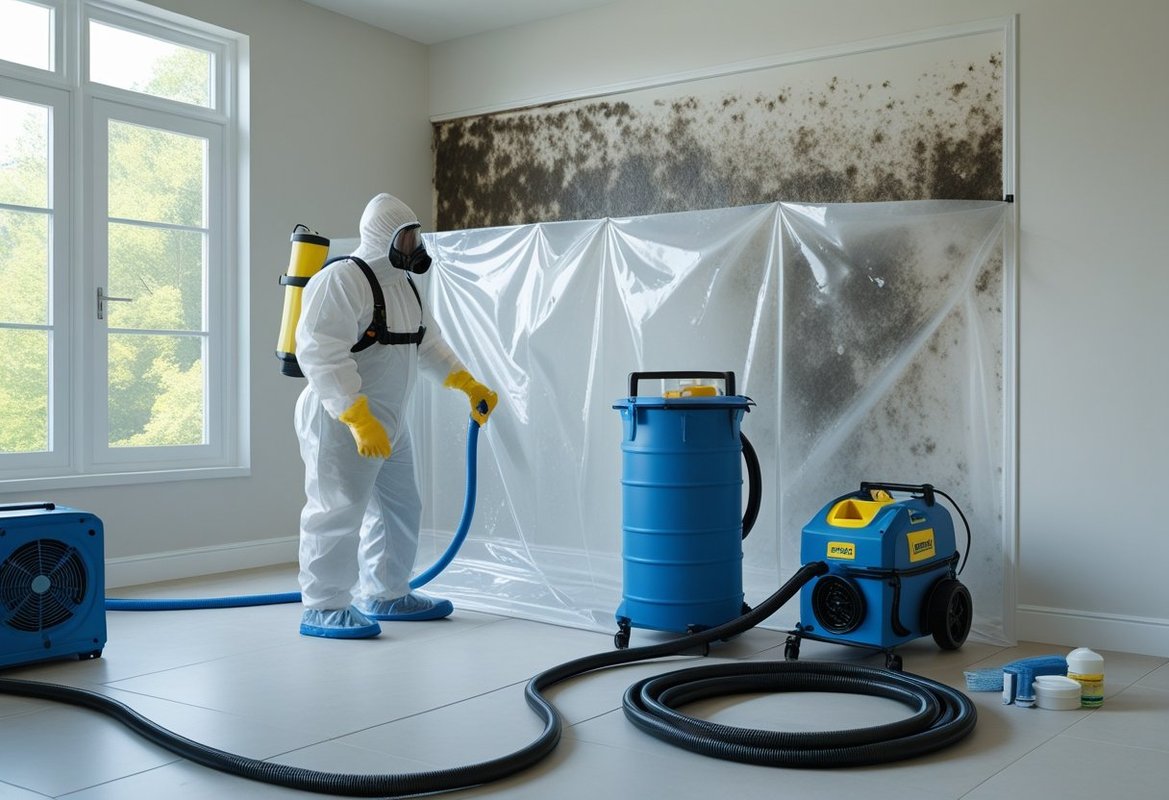
Call a restoration professional. Wall water damage is not a DIY situation, especially if mold is suspected. The full extent of the damage is rarely visible, and mold remediation requires specific protocols to avoid spreading spores during demo.
Don't seal the wall immediately. If drywall is wet, painting over it or patching it traps moisture inside. The material has to be opened and dried before any reconstruction.
Document everything. Photos and moisture readings create a record for insurance and give the restoration team a baseline to work from.
Test for mold. If there's any musty smell or visible surface discoloration, have a mold test done before the wall is opened. This protects the scope of your insurance claim and ensures the remediation protocol is appropriate.
For more context on how mold develops after water intrusion and what the remediation process involves, see our guide on preventing mold growth after water damage.
How Much Does It Cost to Fix? {#cost}
The range is wide because the scope varies dramatically.
| Scenario | Typical Cost |
|---|---|
| Small leak, caught early, no mold | $800–$2,500 |
| Moderate damage, limited mold | $2,500–$6,000 |
| Extensive damage or significant mold | $6,000–$15,000+ |
| Structural damage to framing | $10,000–$30,000+ |
The biggest cost driver isn't the water — it's how long the water was there. A leak caught in 48 hours costs a fraction of what the same leak costs after two weeks.
Homeowners insurance often covers behind-wall water damage if it resulted from a sudden and accidental event. Gradual leaks — the slow drip that's been going for months — are almost universally excluded. Documentation of the event's origin matters for the claim.
Frequently Asked Questions {#faq}
How can I tell if there's water damage inside my walls?
Look for staining, bubbling paint, soft drywall, warped baseboards, and musty smells. Use a non-invasive moisture meter to check readings without cutting into the wall. Elevated readings confirm hidden moisture even when there are no visual signs.
Can water damage inside a wall dry out on its own?
Sometimes, for very minor events with fast airflow and low humidity. But it's unreliable. Insulation traps moisture, drywall stays wet longer than surfaces suggest, and mold can grow even while the outer surface appears dry. Don't assume a wall dried on its own without checking moisture levels.
How long can water sit in a wall before causing mold?
Mold can begin growing within 24–48 hours in the right conditions. Atlanta's heat and humidity accelerate this. If water has been in a wall for more than 48 hours, assume mold testing is warranted before opening the wall.
Do I have to tear out the wall to fix water damage?
Not always. Targeted drying equipment can sometimes pull moisture from a wall cavity without full demo. But if mold is present, or if the drywall is saturated beyond salvage, demo is typically required.
Will a home inspector catch water damage behind walls?
Standard home inspectors are not required to use moisture meters or thermal cameras. Some do as part of enhanced inspections, but it's not universal. If you're buying a home and have concerns, hire a specialist or request an inspector who uses thermal imaging.
Who is responsible for water damage inside a shared wall in a condo?
This depends on the condo's governing documents (CC&Rs) and whether the pipe is a shared building system or individual unit plumbing. The HOA is typically responsible for shared systems; individual owners for pipes that exclusively serve their unit. Disputes are common — document and consult the CC&Rs or an attorney.
Suspect water damage behind your walls? Get a professional moisture assessment before the situation worsens. Our water damage restoration team uses thermal imaging and moisture mapping to find what's hiding before it becomes a much bigger problem.

Water Damage Atlanta Editorial Team
Restoration & Home Services Expert
We help Atlanta homeowners recover from water damage with trusted advice and local resources.