When Is Post-Remediation Mold Testing Necessary for Lasting Indoor Safety
Mold remediation gets rid of visible growth, but that doesn’t always mean your mold problem is solved. Hidden spores might still linger in the air, behind walls, or inside HVAC systems.
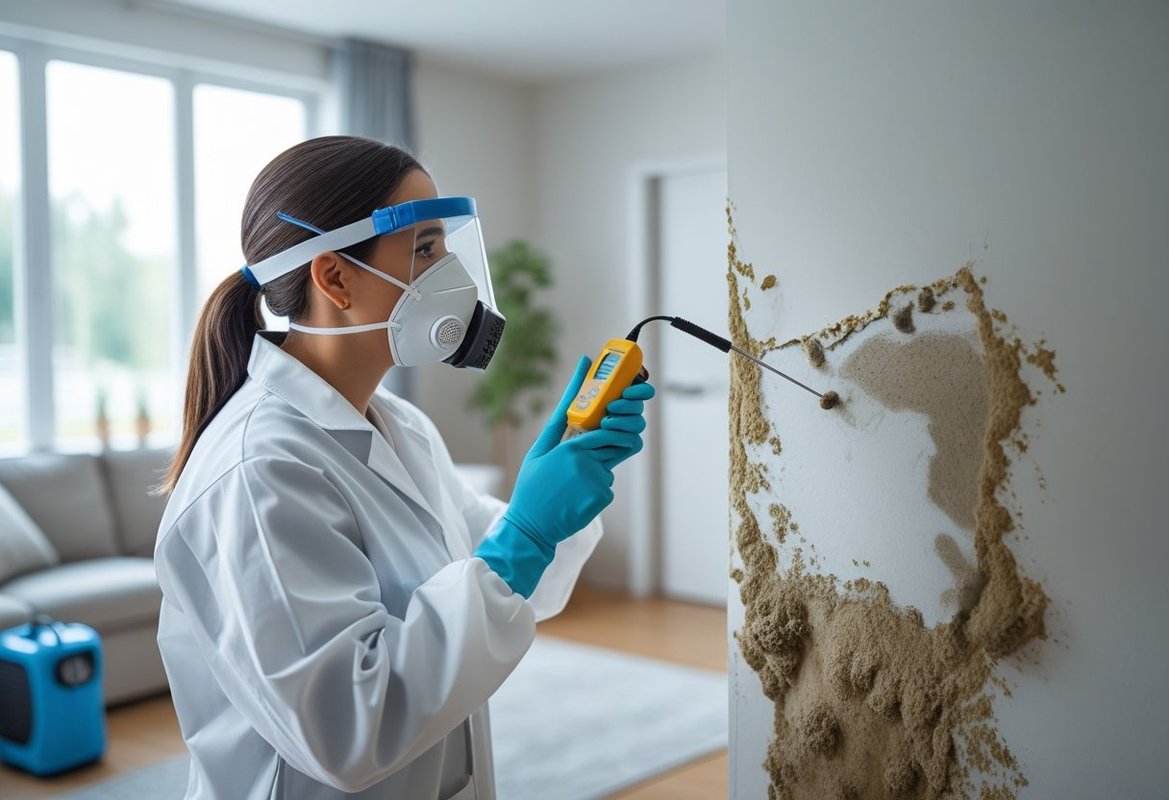
When Is Post-Remediation Mold Testing Necessary for Lasting Indoor Safety
Mold remediation gets rid of visible growth, but that doesn’t always mean your mold problem is solved. Hidden spores might still linger in the air, behind walls, or inside HVAC systems.
Post-remediation mold testing is necessary when you need proof that the cleanup actually worked and the space is safe to use.
This testing checks if mold levels have dropped back to normal and confirms that moisture problems were fixed. It usually involves air sampling, surface testing, and a visual inspection after cleanup.
Knowing when to test helps you avoid future headaches. It’s a key move if you want to protect health, keep your property value up, and dodge expensive repeat work—especially if you’re in the Atlanta, GA area, like [Marietta or Sandy Springs.
What Is Post-Remediation Mold Testing](https://water-damage-atlanta.com/marietta)?

Post-remediation mold testing checks if mold cleanup worked and if the indoor environment is safe. It focuses on making sure moisture sources are under control, visible growth is gone, and air quality is up to par.
Definition and Purpose
People sometimes call this a post-remediation inspection or clearance test. It happens after mold cleanup, not right away, but usually at least 24–48 hours later so things can settle.
The goal is to see if remediation removed mold and fixed the moisture issue. Inspectors look at the area, measure moisture, and take air or surface samples.
A successful test gives you evidence that the property is safe to use again. It’s also the kind of documentation you’ll need for insurance, property sales, or lease agreements.
Comparison With Initial Mold Inspection
An initial mold inspection finds the type, location, and size of the mold problem before cleanup starts. Inspectors use tools like moisture meters and air samplers to spot hidden trouble.
A post-remediation mold test isn’t about finding the cause—it checks that the job’s done. It verifies that contaminated stuff was removed and that moisture levels are safe.
| Stage | Main Goal | Activities | Outcome |
|---|---|---|---|
| Initial Inspection | Find mold and moisture source | Sampling, visual check, moisture mapping | Create remediation plan |
| Post-Remediation Test | Confirm cleanup success | Clearance testing, air/surface samples, visual review | Verify safe conditions |
If you’re in Decatur, GA or Roswell, GA, you’ll want both steps for real peace of mind.
Key Differences From Routine Mold Testing
Routine mold testing is for when people suspect mold but haven’t done remediation yet. It’s more general—maybe just some air samples or swabs to spot spores.
Post-remediation testing is much more focused. Inspectors follow strict standards to make sure the cleanup meets clearance criteria. They check for leftover contamination, test humidity, and compare spore counts to what’s outside.
Routine testing just gives you info. Post-remediation testing is a quality check on the remediation crew. It documents whether the contractor did the job right and if the place is safe.
When Is Post-Remediation Mold Testing Necessary?

Post-remediation testing confirms if mold cleanup worked and if the space is good to use. It’s especially important when rules, health concerns, or property deals require solid proof the area is free from harmful contamination.
Regulatory or Insurance Requirements
Sometimes, local codes or state rules require post-remediation testing. This is common in schools, healthcare buildings, or workplaces where air quality is a big deal.
Insurance companies might also ask for independent testing before they pay out on a claim. No test, no payout—it’s that simple.
Testing results give you a record that the remediation was done right. That record can save you headaches if there’s ever a dispute.
- Testing might be mandatory for compliance.
- Insurers usually want proof before paying claims.
- Documentation helps you steer clear of liability problems.
Health and Safety Concerns
Mold exposure can cause breathing issues, allergies, and other health problems. For people with asthma, weak immune systems, or chronic conditions, even low mold levels can be a problem.
Testing after remediation makes sure the air’s safe and nothing got missed. It’s especially important in homes with kids, seniors, or folks with health issues.
If symptoms stick around after remediation, testing helps figure out if mold is still there. A clear test result lets you relax, knowing the space isn’t a health risk anymore.
- Occupants keep having allergy symptoms.
- Someone in the home has asthma or lung issues.
- The building had major water damage before.
Property Sale or Lease Scenarios
If you’re selling or leasing property in places like Alpharetta, GA or Buckhead, mold history can hurt your property value. A post-remediation test report proves you took care of the problem.
Real estate deals often involve inspections, and buyers may want proof the place is mold-free. Without it, deals can fall apart or the price drops.
Landlords use clearance testing to reassure tenants and avoid disputes. A written report shows you’ve done your due diligence.
- Boosts property value.
- Lowers risk of buyer or tenant complaints.
- Gives you a record for the future.
Benefits of Post-Remediation Mold Testing
Post-remediation mold testing shows if mold removal worked and if the indoor environment is really safe. It reassures people living or working there and creates a record for property owners who might need to prove compliance.
Ensuring Complete Mold Removal
Even after a pro finishes the job, hidden spores can stick around in walls, ceilings, or ducts. Post-remediation testing checks these spots with air samples, swabs, and moisture checks.
Testing confirms not just that mold’s gone, but that humidity’s under control. If you skip this, leftover mold can come back and undo all that work.
Having a third party do the testing keeps things honest. You get a fair picture of whether the property is really safe.
Peace of Mind for Occupants
People worry about mold coming back, especially if they have allergies or asthma. Post-remediation testing lets residents and workers know the air’s clean.
Test results give you real numbers on spore counts and air quality. When those are in the safe zone, people can breathe easy.
This matters even more in homes with kids, seniors, or anyone with breathing issues. For workplaces, it helps employers show they’re keeping things safe.
Supporting Documentation for Compliance
Lots of property owners need proof that mold remediation was done right. Post-remediation testing gives you official reports for:
- Insurance claims
- Real estate deals
- Rental property records
- Meeting building or health codes
These records show you met safety standards and fixed the mold problem.
For landlords and sellers, documentation helps head off disputes. For businesses, it helps meet safety rules and lowers liability.
The Post-Remediation Mold Testing Process
Testing after cleanup checks if the space is safe and if remediation actually worked. Pros use a mix of checks—looking for visible mold, measuring airborne spores, and testing surfaces.
Visual Inspection
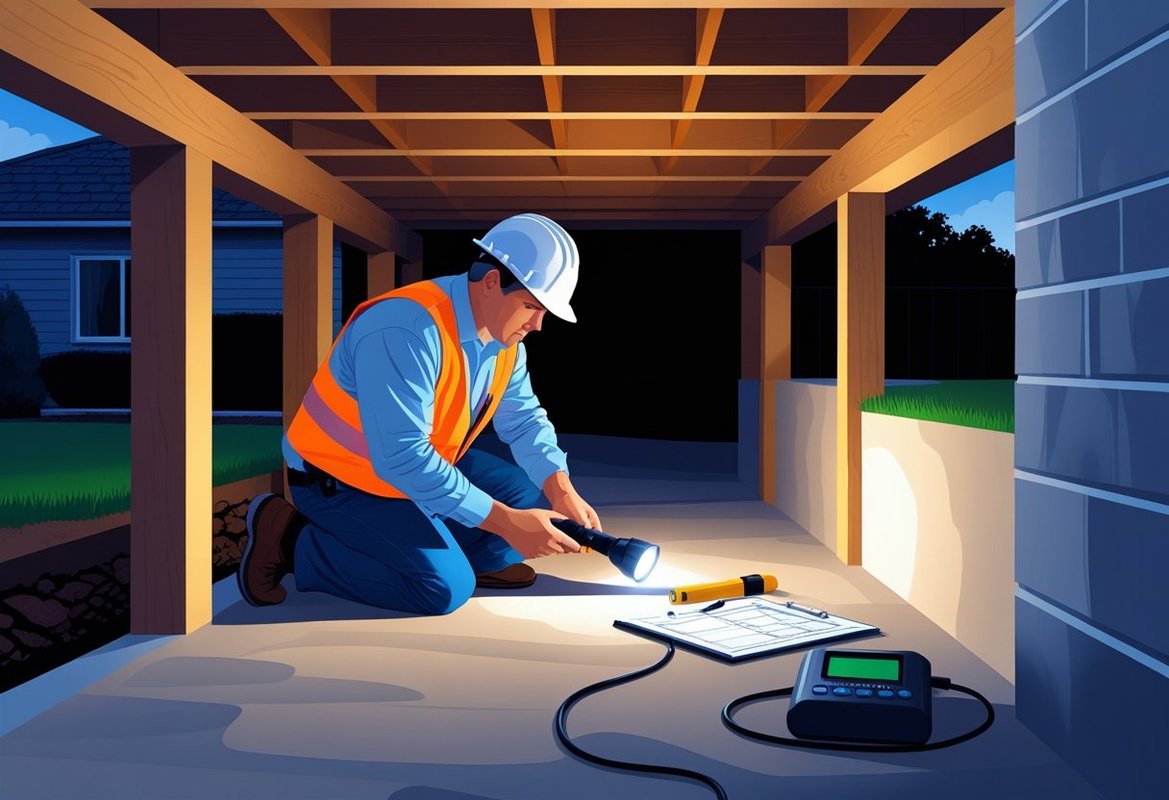
A visual inspection comes first. Inspectors check walls, ceilings, floors, and HVAC systems to make sure there’s no visible mold left.
They use moisture meters to spot hidden dampness. Mold loves wet spots, so dry surfaces matter.
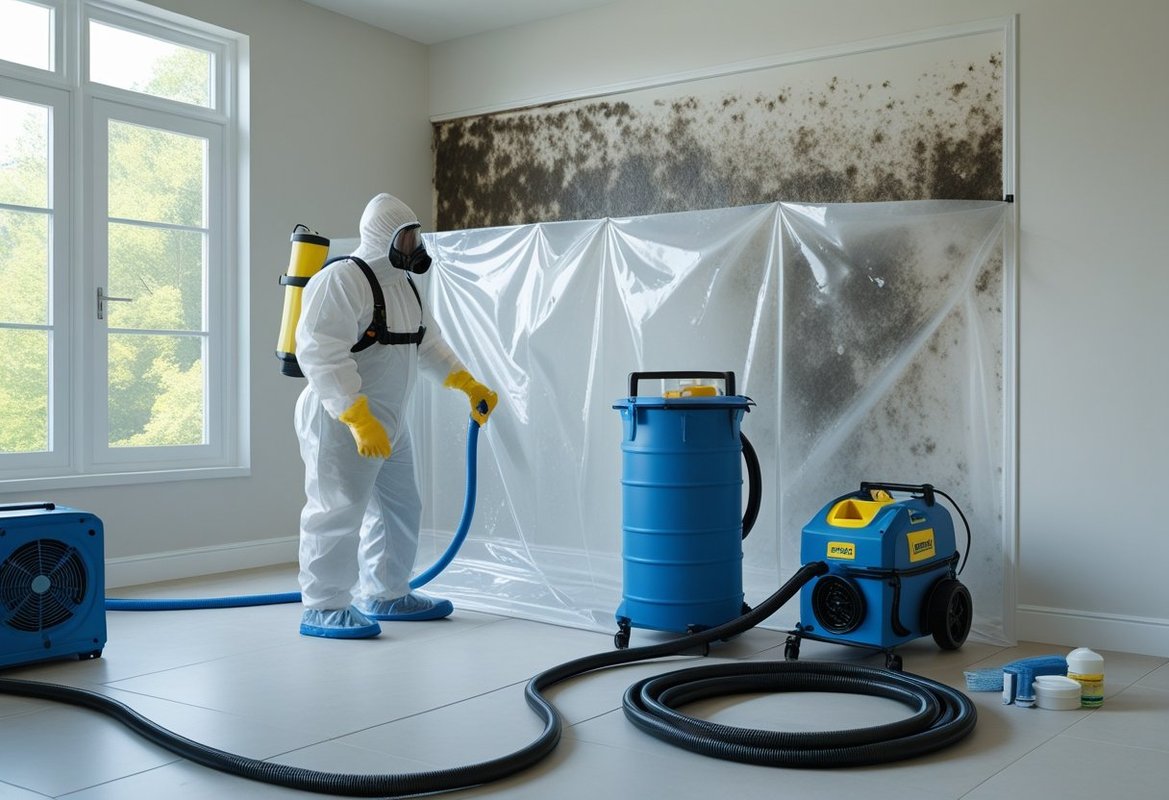
Inspectors also look at how well containment barriers and cleaning methods were followed. If they find visible mold or debris, they’ll pause and have the area re-cleaned before sampling. No point in testing a spot that’s obviously still dirty.
Air Sampling Procedures
Air sampling finds spores you can’t see. Inspectors take air samples inside the cleaned area and compare them to samples from outside.
They use spore trap cassettes or impactors with pumps to catch airborne particles. Labs then count the spores per cubic meter of air.
If indoor counts are high, that means hidden mold or incomplete remediation. Air quality hits people directly, so this step really matters.
Surface Sampling Methods
Surface sampling targets spots where mold might still hide. Inspectors use swabs, tape lifts, or grab small material samples from surfaces.
Swabs wipe a sterile tool across a surface. Tape lifts press sticky tape on it. Sometimes, they take a small piece of material.
These methods show if surfaces are free of spores and mold bits. It’s especially helpful when you see stains but aren’t sure if mold’s still active. Air samples alone might not catch everything.
Choosing a Qualified Mold Remediation Company
A good mold remediation company should have solid training, real credentials, and a clear process. Pick a team that follows the rules and has real experience—especially if you’re in the Atlanta, GA area.
Certifications and Experience
Certifications prove a company knows safe and effective mold removal. Groups like the Institute of Inspection, Cleaning and Restoration Certification (IICRC) and National Organization of Remediators and Mold Inspectors (NORMI) are legit.
Experience matters, too. Companies that have handled lots of jobs—homes, offices, you name it—are better equipped for tricky situations.
Ask how long they’ve been around and get references. Check if they have insurance and, if needed, a license. A reputable company will show you proof.
Industry Standards and Best Practices
A solid company follows guidelines from authorities like the EPA and American Conference of Governmental Industrial Hygienists (ACGIH). These set the bar for safe mold removal.
Best practices include:
- Assessing the affected area
- Containment to stop spread
- Air filtration with HEPA filters
- Removal and cleaning of contaminated materials
- Post-remediation testing when needed
If a company explains these steps clearly and gives you a written estimate, that’s a good sign.
When you're ready to hire, browse [vetted certified [[[[[[[[[[[[[[[[[[[[[[[[[[[[[[[[[[[[[[[mold remediation companies near Atlanta](https://water-damage-atlanta.com/atlanta/mold-remediation)](https://water-damage-atlanta.com/atlanta/mold-remediation)](https://water-damage-atlanta.com/atlanta/mold-remediation)](https://water-damage-atlanta.com/atlanta/mold-remediation)](https://water-damage-atlanta.com/atlanta/mold-remediation)](https://water-damage-atlanta.com/atlanta/mold-remediation)](https://water-damage-atlanta.com/atlanta/mold-remediation)](https://water-damage-atlanta.com/atlanta/mold-remediation)](https://water-damage-atlanta.com/atlanta/mold-remediation)](https://water-damage-atlanta.com/atlanta/mold-remediation)](https://water-damage-atlanta.com/atlanta/mold-remediation)](https://water-damage-atlanta.com/atlanta/mold-remediation)](https://water-damage-atlanta.com/atlanta/mold-remediation)](https://water-damage-atlanta.com/atlanta/mold-remediation)](https://water-damage-atlanta.com/atlanta/mold-remediation)](https://water-damage-atlanta.com/atlanta/mold-remediation)](https://water-damage-atlanta.com/atlanta/mold-remediation)](https://water-damage-atlanta.com/atlanta/mold-remediation)](https://water-damage-atlanta.com/atlanta/mold-remediation)](https://water-damage-atlanta.com/atlanta/mold-remediation)](https://water-damage-atlanta.com/atlanta/mold-remediation)](https://water-damage-atlanta.com/atlanta/mold-remediation)](https://water-damage-atlanta.com/atlanta/mold-remediation)](https://water-damage-atlanta.com/atlanta/mold-remediation)](https://water-damage-atlanta.com/atlanta/mold-remediation)](https://water-damage-atlanta.com/atlanta/mold-remediation)](https://water-damage-atlanta.com/atlanta/mold-remediation)](https://water-damage-atlanta.com/atlanta/mold-remediation)](https://water-damage-atlanta.com/atlanta/mold-remediation)](https://water-damage-atlanta.com/atlanta/mold-remediation)](https://water-damage-atlanta.com/atlanta/mold-remediation)](https://water-damage-atlanta.com/atlanta/mold-remediation)](https://water-damage-atlanta.com/atlanta/mold-remediation)](https://water-damage-atlanta.com/atlanta/mold-remediation)](https://water-damage-atlanta.com/atlanta/mold-remediation)](https://water-damage-atlanta.com/atlanta/mold-remediation)](https://water-damage-atlanta.com/atlanta/mold-remediation)](https://water-damage-atlanta.com/atlanta/mold-remediation)](https://water-damage-atlanta.com/atlanta/mold-remediation)](https://water-damage-atlanta.com/marietta/companies) to find certified specialists.
Potential Consequences of Skipping Post-Remediation Mold Testing
If you skip post-remediation testing, you might leave hidden problems behind. Mold can return, air quality can stay poor, and you could face surprise costs or arguments down the road—especially in high-humidity areas like Atlanta, GA.
Risk of Recurring Mold Growth
If you skip testing after mold remediation, there’s no real way to know if all the spores and moisture are actually gone. Even tiny patches of hidden growth can flare up again when the conditions are right.
Moisture often gets trapped in walls, ceilings, or under floors—especially in older homes around Atlanta, GA. Without testing, these damp spots might keep feeding mold.
That can mean new stains, bad smells, and even damage to your home’s structure.
Key risks of recurring mold include:
- Mold coming back where you thought it was gone
- Spores spreading to new rooms through your HVAC system
- Paying for extra remediation all over again
Testing lets you make sure everything’s dry and clean before you start repairs or rebuild.
Impact on Health and Indoor Air Quality
Mold spores can linger in the air even after you clean up what you see. Without proper testing, people might keep breathing in contaminated air, which can make allergies, asthma, or other breathing problems worse.
Air and surface tests actually show if spore levels are safe. If you skip this step, you can’t really be sure your indoor air is healthy.
Kids, seniors, and folks with weaker immune systems face bigger risks. They might deal with coughing, stuffy noses, or even rashes.
If you’re in Sandy Springs or Roswell, GA, and you want peace of mind, testing can help you know it’s safe to move back in—not just that it looks clean.
Legal and Financial Implications
If you don’t get post-remediation testing, you might run into trouble with tenants, buyers, or your insurance company. Without proof that the job worked, it’s tough to show your property is safe.
Clearance reports are often needed during real estate deals in places like Marietta, GA. Without them, you could face delays or lower offers.
Insurance companies might even deny claims if there’s no testing to prove the work was done right. Then you’re on the hook for any future mold problems.
Possible consequences include:
- Lower resale value
- Denied insurance coverage
- Getting blamed for tenant health issues
Testing gives you paperwork that shows you did things by the book.
Frequently Asked Questions
Post-remediation mold testing checks if cleanup worked, moisture is under control, and air quality is safe. The testing method, timing, and who does it all matter for getting reliable results.
What are the indicators that suggest the need for post-remediation mold testing?
If mold keeps coming back, you smell musty odors, or there’s still water damage, it’s probably time to test. If people are still sneezing or wheezing after remediation, testing can help figure out if mold is still around.
How soon after mold remediation should testing be conducted?
You should wait at least 24 hours, but 48 hours is better. That gives things time to settle down so the test results are accurate.
What types of tests are performed to ensure mold has been effectively removed?
Usually, pros use air sampling, surface swabs, and visual checks. They’ll also measure moisture to make sure nothing’s damp enough for mold to grow.
Who should perform the mold testing after remediation work is completed?
Independent indoor environmental pros or certified mold inspectors should do the testing. That way, you know the results aren’t biased.
Is post-remediation testing necessary after all mold removal projects?
Not every job needs testing, but it’s a good idea for bigger mold issues, sensitive places like schools or hospitals in the Atlanta, GA area, or when your insurance or local codes require it.
What are the acceptable levels of mold spores in the air after remediation?
Indoor mold spore levels should match or fall below what you find outside. The right range depends on the type of mold and your environment.
If you're getting [[[[[[[[[[[[[[[[[[[[[[[[[[[[[[[[[[[[[[[mold remediation in Marietta](https://water-damage-atlanta.com/marietta/mold-remediation)](https://water-damage-atlanta.com/marietta/mold-remediation)](https://water-damage-atlanta.com/marietta/mold-remediation)](https://water-damage-atlanta.com/marietta/mold-remediation)](https://water-damage-atlanta.com/marietta/mold-remediation)](https://water-damage-atlanta.com/marietta/mold-remediation)](https://water-damage-atlanta.com/marietta/mold-remediation)](https://water-damage-atlanta.com/marietta/mold-remediation)](https://water-damage-atlanta.com/marietta/mold-remediation)](https://water-damage-atlanta.com/marietta/mold-remediation)](https://water-damage-atlanta.com/marietta/mold-remediation)](https://water-damage-atlanta.com/marietta/mold-remediation)](https://water-damage-atlanta.com/marietta/mold-remediation)](https://water-damage-atlanta.com/marietta/mold-remediation)](https://water-damage-atlanta.com/marietta/mold-remediation)](https://water-damage-atlanta.com/marietta/mold-remediation)](https://water-damage-atlanta.com/marietta/mold-remediation)](https://water-damage-atlanta.com/marietta/mold-remediation)](https://water-damage-atlanta.com/marietta/mold-remediation)](https://water-damage-atlanta.com/marietta/mold-remediation)](https://water-damage-atlanta.com/marietta/mold-remediation)](https://water-damage-atlanta.com/marietta/mold-remediation)](https://water-damage-atlanta.com/marietta/mold-remediation)](https://water-damage-atlanta.com/marietta/mold-remediation)](https://water-damage-atlanta.com/marietta/mold-remediation)](https://water-damage-atlanta.com/marietta/mold-remediation)](https://water-damage-atlanta.com/marietta/mold-remediation)](https://water-damage-atlanta.com/marietta/mold-remediation)](https://water-damage-atlanta.com/marietta/mold-remediation)](https://water-damage-atlanta.com/marietta/mold-remediation)](https://water-damage-atlanta.com/marietta/mold-remediation)](https://water-damage-atlanta.com/marietta/mold-remediation)](https://water-damage-atlanta.com/marietta/mold-remediation)](https://water-damage-atlanta.com/marietta/mold-remediation)](https://water-damage-atlanta.com/marietta/mold-remediation)](https://water-damage-atlanta.com/marietta/mold-remediation)](https://water-damage-atlanta.com/marietta/mold-remediation)](https://water-damage-atlanta.com/marietta/mold-remediation)](https://water-damage-atlanta.com/marietta/mold-remediation), GA, or anywhere around Atlanta, it's smart to compare your indoor air to the outdoor air nearby. Generally, you don't want indoor counts to go higher than what's outside.
Read our comparison of DIY mold kits vs. professional [mold testing](https://water-damage-atlanta.com/articles/diy-mold-kits-vs-professional-mold-testing) to understand your testing options.

Water Damage Atlanta Editorial Team
Restoration & Home Services Expert
We help Atlanta homeowners recover from water damage with trusted advice and local resources.