How Long Does Water Damage Restoration Take?

How Long Does Water Damage Restoration Take?
When water gets into your home, the first question most people ask is: how bad is it? The second is usually: how long is this going to take?
The honest answer is that it depends on a handful of variables — but it's not a mystery. Our water damage restoration team works through these timelines every week, and this guide lays out what actually drives the schedule so you know what to expect.
Table of Contents
- The Short Answer: A Typical Timeline
- Phase 1: Emergency Response (Day 1)
- Phase 2: Water Extraction (Day 1–2)
- Phase 3: Structural Drying (Days 2–7)
- Phase 4: Demolition and Removal (If Needed)
- Phase 5: Repairs and Reconstruction
- What Makes Jobs Take Longer
- Can You Live in Your Home During Restoration?
- FAQ
The Short Answer: A Typical Timeline {#short-answer}
Here's a rough breakdown for most residential water damage jobs:
| Phase | Typical Duration |
|---|---|
| Emergency response and extraction | 4–24 hours |
| Structural drying | 3–5 days |
| Demo and removal (if needed) | 1–3 days |
| Repairs and reconstruction | 1–4 weeks |
| Total (minor damage) | 5–10 days |
| Total (major damage) | 2–6 weeks |
Notice how repairs and reconstruction account for the majority of the timeline. The actual water remediation — extraction and drying — moves quickly with the right equipment. What takes time is rebuilding.
Phase 1: Emergency Response (Day 1) {#phase-1}
A reputable restoration company should be on-site within 2–4 hours of your call for an urgent water situation. After hours, that response time may stretch to 4–6 hours.
When they arrive, the crew will assess the extent of the damage, identify the water source (and make sure it's stopped), and set up containment if needed to prevent spreading. For major floods or sewage events, personal protective equipment and more formal containment go up before any work starts.
This phase takes a few hours on-site, though the paperwork and documentation (for insurance purposes) adds time.
Phase 2: Water Extraction (Day 1–2) {#phase-2}
Truck-mounted extraction equipment can remove hundreds of gallons of water per hour. A flooded basement that took hours to fill can be extracted in 30–60 minutes with professional-grade equipment.
After bulk extraction, crews use wet/dry vacuums to pull remaining moisture from carpeting, padding, and porous surfaces. Anything that can't be dried — soaked carpet padding, waterlogged drywall — gets removed during or right after extraction.
This phase can wrap up in a few hours for smaller jobs. Larger floods, multi-room events, or sewage situations take longer because of the additional safety protocols involved.
Phase 3: Structural Drying (Days 2–7) {#phase-3}
This is the phase that surprises most homeowners. Once the standing water is gone, the job isn't over — not by a long shot.
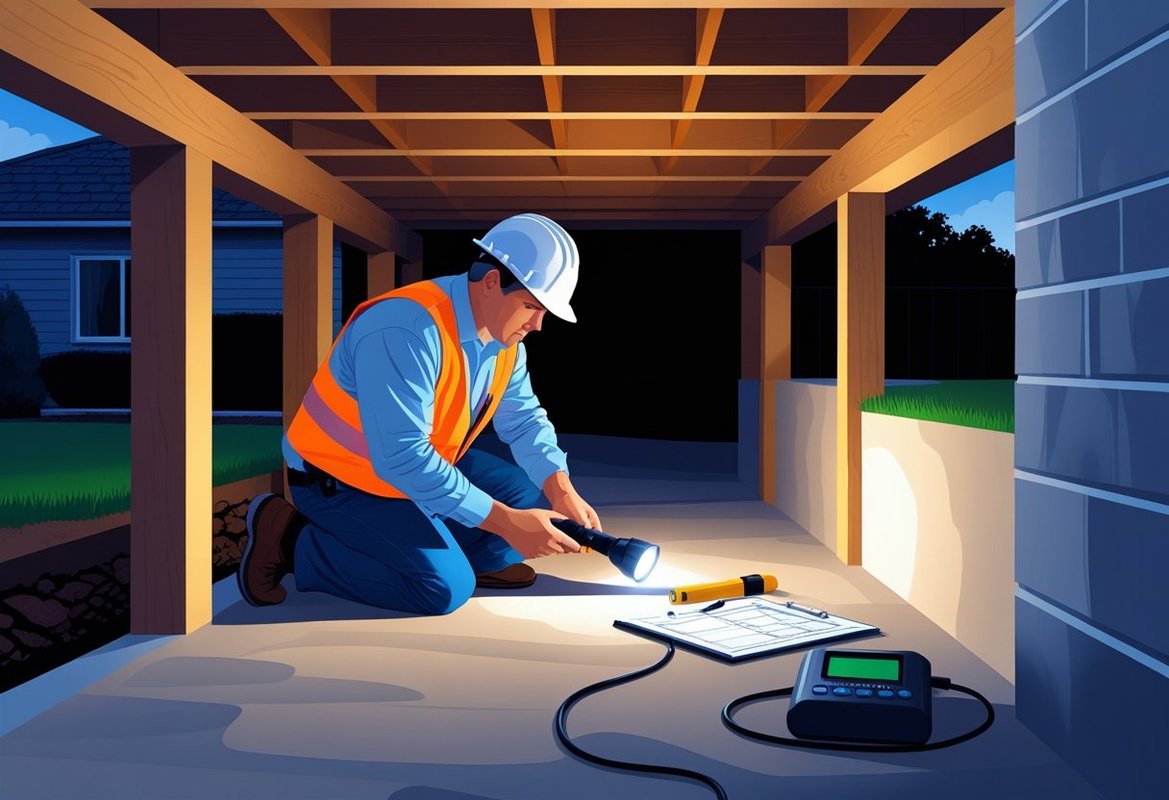
Industrial air movers (high-powered fans) and dehumidifiers run continuously to pull moisture out of structural materials: subfloors, wall cavities, ceiling joists, and framing. This equipment needs to run 24/7, and pros check moisture readings daily to track progress.
For most residential jobs, structural drying takes 3–5 days. Larger affected areas, dense materials like hardwood subfloors, or homes with high ambient humidity can push this to 7 days or more.
Here's the important part: drying can't be rushed by opening windows or running a box fan. The specialized equipment creates conditions that pull moisture from deep inside materials. Cutting this phase short leads to hidden moisture, mold growth, and structural damage down the road.
Homes in the Atlanta area, including those in Roswell and surrounding suburbs, often deal with high outdoor humidity that makes structural drying take longer than the national average. Pros account for this with additional equipment.
Phase 4: Demolition and Removal (If Needed) {#phase-4}
Not every job requires demo. But when drywall, insulation, flooring, or cabinetry is too saturated to dry in place, it has to come out.
Demo happens fairly quickly — a two-person crew can remove drywall from a typical room in half a day. The slower part is disposal and verifying that the structural materials behind it are dry and mold-free before reconstruction begins.
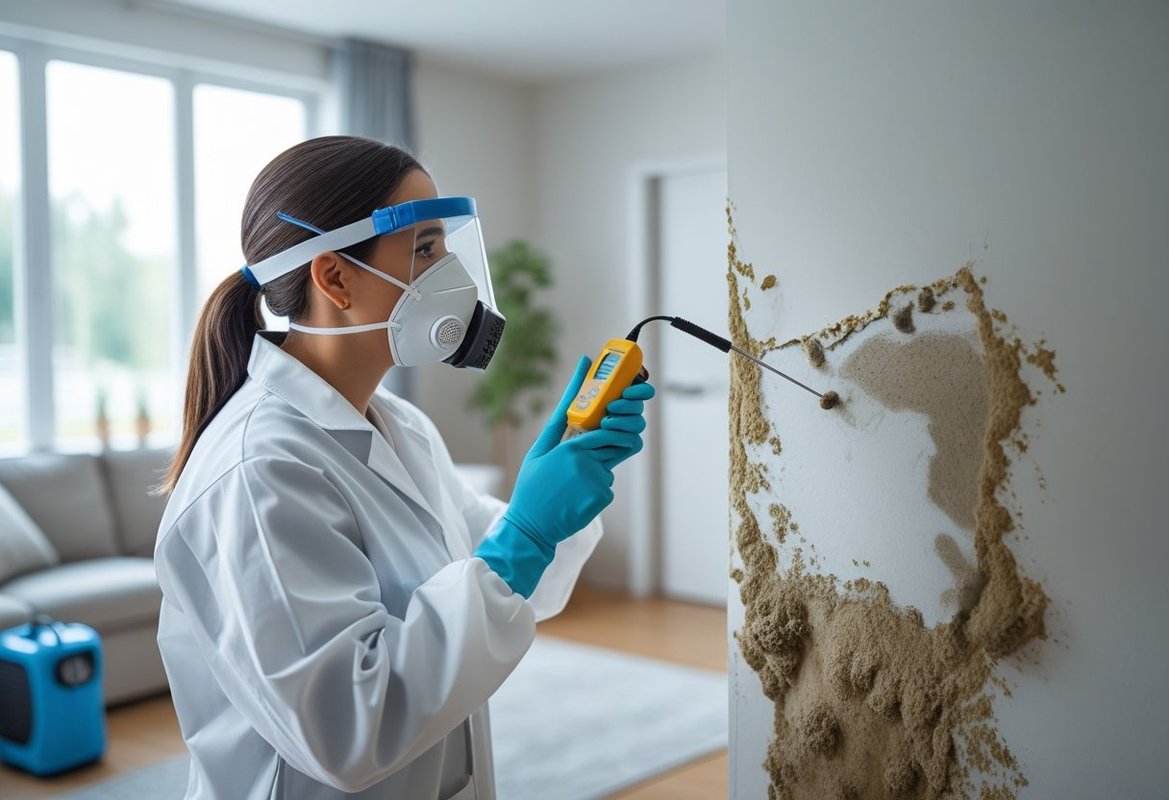
Mold testing often happens at this stage. If mold has already started, that adds time for remediation before any rebuild work starts.
Phase 5: Repairs and Reconstruction {#phase-5}
This is typically the longest phase — and the most variable. Replacing drywall, flooring, painting, reinstalling cabinets or trim — it adds up.
A single-room drywall replacement might take 2–4 days. A kitchen or bathroom with damaged cabinetry, tile, and subfloor could take 2–4 weeks. Structural repairs (damaged joists, subfloor replacement) extend the timeline further.
Lead times for materials can also slow things down. Custom cabinetry, specialty flooring, or tile that needs to be ordered can add days or weeks to the reconstruction phase.
For a sense of what restoration costs as the timeline extends, see our breakdown of what to expect from insurance during water damage — because extended timelines often mean extended claims, too.
What Makes Jobs Take Longer {#delays}
A few factors consistently push timelines past expectations:
How long the water sat. Water that sat for more than 48 hours before extraction will have penetrated deeper into structural materials, requiring more drying time and potentially more demo.
Category of water. Sewage and gray water require more thorough cleaning and longer drying protocols because of contamination risk.
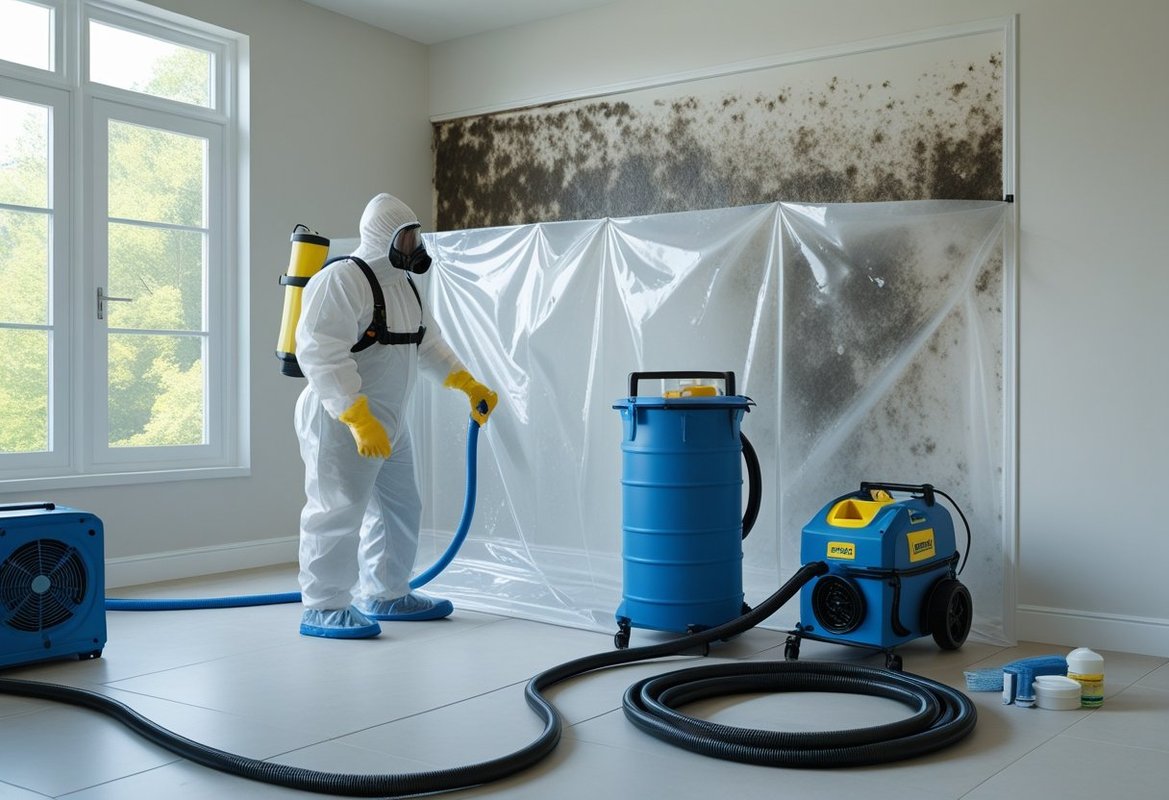
Mold. If mold developed before or during restoration, remediation has to happen and clear before reconstruction can start. This adds a minimum of 3–5 days.
Insurance delays. Adjuster inspections, supplement negotiations, and claim processing can all slow the job. The restoration work itself might be done, but contractors sometimes can't finish until the insurer approves the scope.
Material availability. Specialty flooring, custom cabinets, or matching trim that's out of stock can create weeks of waiting on the reconstruction end.
Can You Live in Your Home During Restoration? {#living-home}
For minor water damage limited to a single area, yes — most families can stay home during restoration. The drying equipment is loud (expect it to run 24/7), but it's manageable.
For major events that affect multiple rooms, the kitchen or bathrooms, or involve sewage contamination, temporary relocation is often the better call — and sometimes required by the insurer. Your homeowners policy may cover temporary housing costs; it's worth asking.
Frequently Asked Questions {#faq}
How long does it take to dry out a house after water damage?
Structural drying typically takes 3–5 days with professional equipment running continuously. High-humidity climates like Atlanta can extend this. The rule of thumb: don't stop drying until three consecutive days of moisture readings show the materials are back to baseline.
Can water damage be repaired quickly?
Extraction and initial drying move fast. Reconstruction is where the time goes. There's no responsible way to rush structural drying — materials need to reach safe moisture levels before anything goes back in.
How do I know when my home is dry enough to start repairs?
Restoration professionals use moisture meters to measure readings in structural materials. When readings hit baseline levels (typically 12–16% for wood, depending on species) for three consecutive days, drying is complete.
Does mold always appear after water damage?
Not always — but it can start within 24–48 hours in the right conditions. Speed of extraction and drying is the main factor. Mold is far more likely when water sits before cleanup starts or drying isn't thorough.
How long does insurance take to process a water damage claim?
Simple claims with clear coverage can be settled in 2–4 weeks. Complex claims, disputed coverage, or large reconstruction projects can take months. Filing quickly and documenting thoroughly speeds the process up.
What happens if water damage isn't treated fast enough?
Costs go up. Clean water becomes contaminated. Structural materials deteriorate. Mold establishes itself. What's a $3,000 job on day one can turn into a $15,000+ project by the end of week two. Speed is the most important variable in water damage restoration.
Dealing with water damage right now? Don't wait to start the clock. Our water damage restoration team responds fast and gets drying equipment running the same day.
Water Damage Atlanta Editorial Team
Restoration & Home Services Expert
We help Atlanta homeowners recover from water damage with trusted advice and local resources.