What to Do Before and After a Mold Remediation Service for Best Results
Mold problems can really disrupt daily life, especially around Atlanta, GA. They’re more than just an eyesore—they can mess with your health if you let them linger.
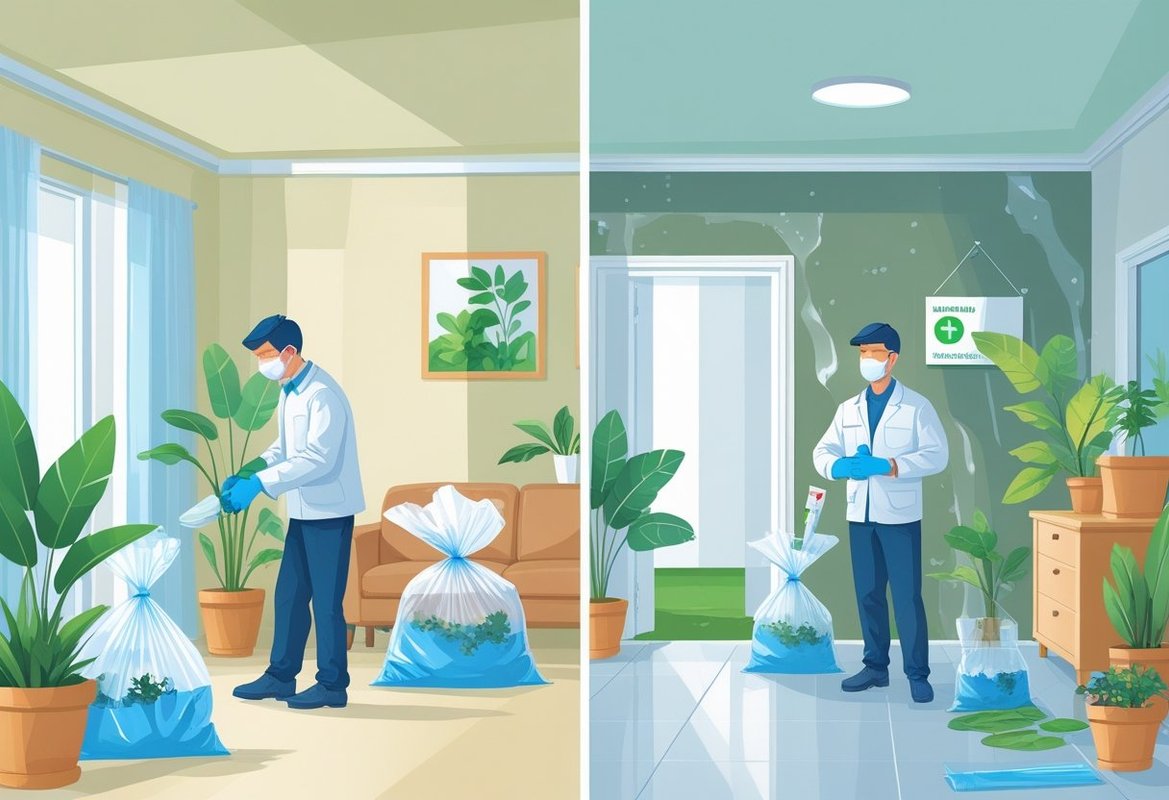
What to Do Before and After a Mold Remediation Service for Best Results
Mold problems can really disrupt daily life, especially around Atlanta, GA. They’re more than just an eyesore—they can mess with your health if you let them linger.
A lot of folks wonder what matters most before and after hiring a mold remediation service. The answer? Prep your home properly, stay safe during the process, and double-check the results once the pros are done.
Before a remediation crew comes out, go ahead and document the damage, move your stuff, and make sure you’ve stopped whatever’s causing all that moisture. It’s the best way to keep the process smooth and stop mold from coming back.
After cleanup, let the space dry out, keep tabs on the air quality, and schedule a pro inspection to confirm the job’s really done. If you’re in places like Marietta, GA or Sandy Springs, GA, these steps are especially important with our humid weather.
Essential Steps to Take Before Mold Remediation
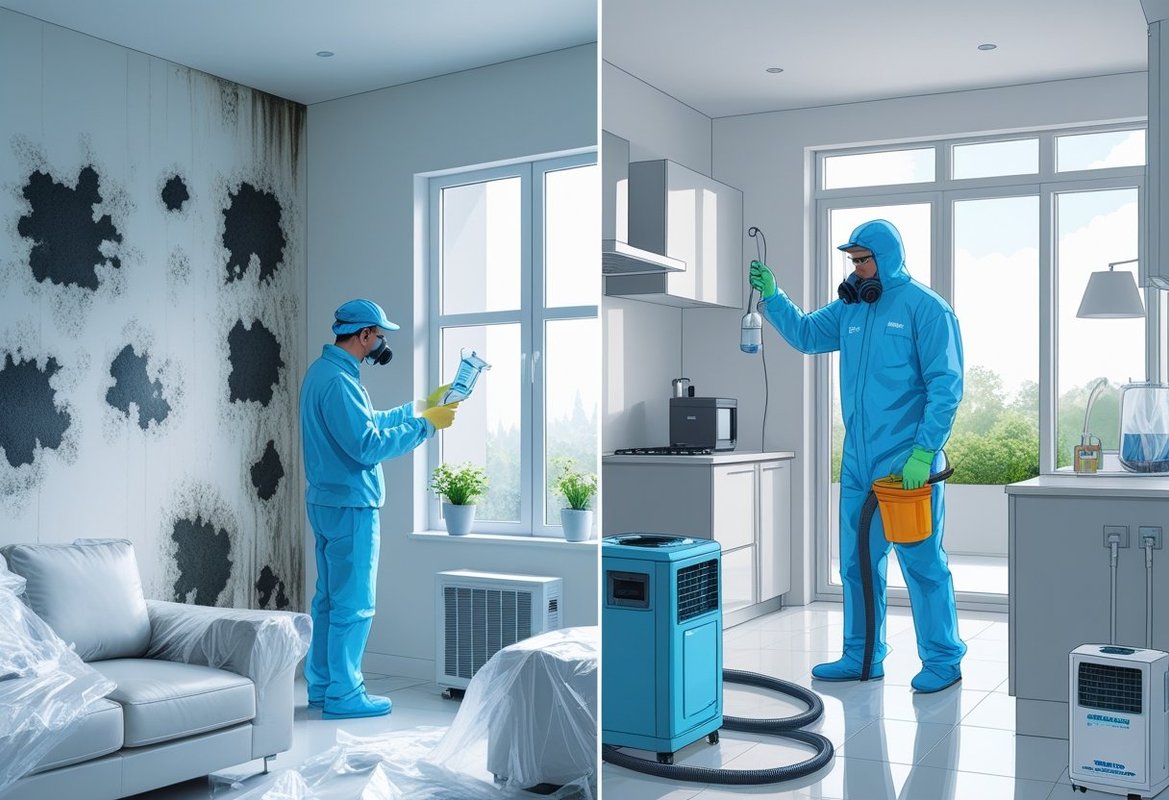
Doing the right prep before mold remediation makes a big difference. It cuts down health risks, keeps spores from spreading, and helps the cleanup go faster.
It also protects your stuff and makes the work area safer for everyone.
Preparing the Affected Area
Clear out anything you don’t need from the moldy area. Workers need direct access to those surfaces, and clutter just gets in the way.
Loose rugs, random objects, or piles of stuff can trap spores and make cleaning a nightmare.
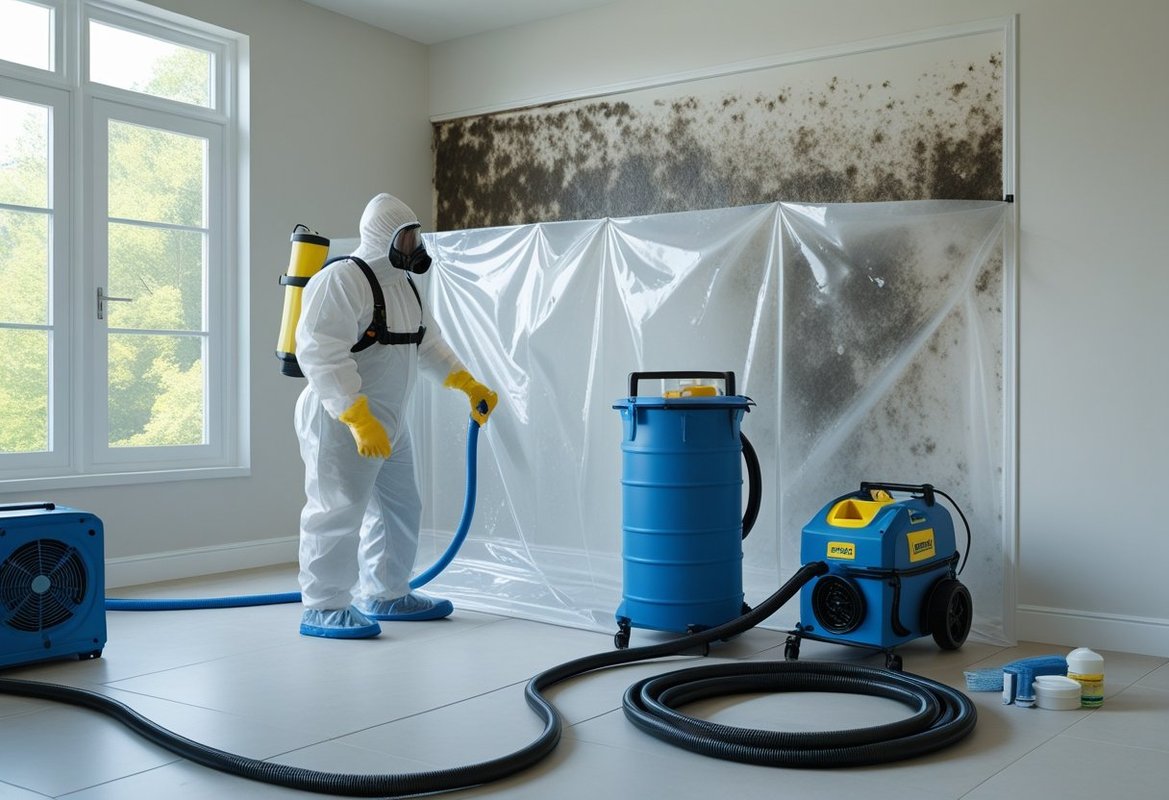
Seal off doors, vents, and any openings with plastic sheeting. This helps keep spores from sneaking into the rest of your home, whether you’re in Decatur, GA or right in Midtown Atlanta.
Turn off your HVAC system in the affected space. Airflow from vents can push spores everywhere if you leave it running.
Protecting Belongings and Furniture
Move furniture and personal items out of the area if you can. If something’s too heavy or awkward, cover it up with heavy plastic or a tarp to keep spores off.
Soft stuff—curtains, bedding, cushions—should be washed or stored in sealed bags away from the mess. These things hold moisture and can be tough to clean if they get moldy.
Keep important documents, electronics, and valuables somewhere dry and safe. It’s not worth risking them during remediation.
Ensuring Proper Ventilation
Good ventilation keeps dust and spores from building up while you’re cleaning. Open windows and doors if the weather’s decent, but only if you’re not going to spread spores to other rooms.
Pros usually bring in negative air machines with HEPA filters. These pull out contaminated air and push it outside, making your indoor air safer.
Don’t use regular fans unless they’re made for containment. Standard fans just blow spores around and make things worse.
Selecting Appropriate PPE
Wear personal protective equipment (PPE) to avoid breathing in spores or getting them on your skin. At the very least, throw on an N95 mask or something stronger.
Use gloves made of nitrile, rubber, or latex. They’ll protect your hands from both mold and any harsh cleaners.
Long sleeves or disposable coveralls help keep spores off your clothes. And don’t forget eye protection—get some goggles without ventilation holes, because mold and cleaning chemicals are rough on your eyes.
Safety Measures During Mold Remediation
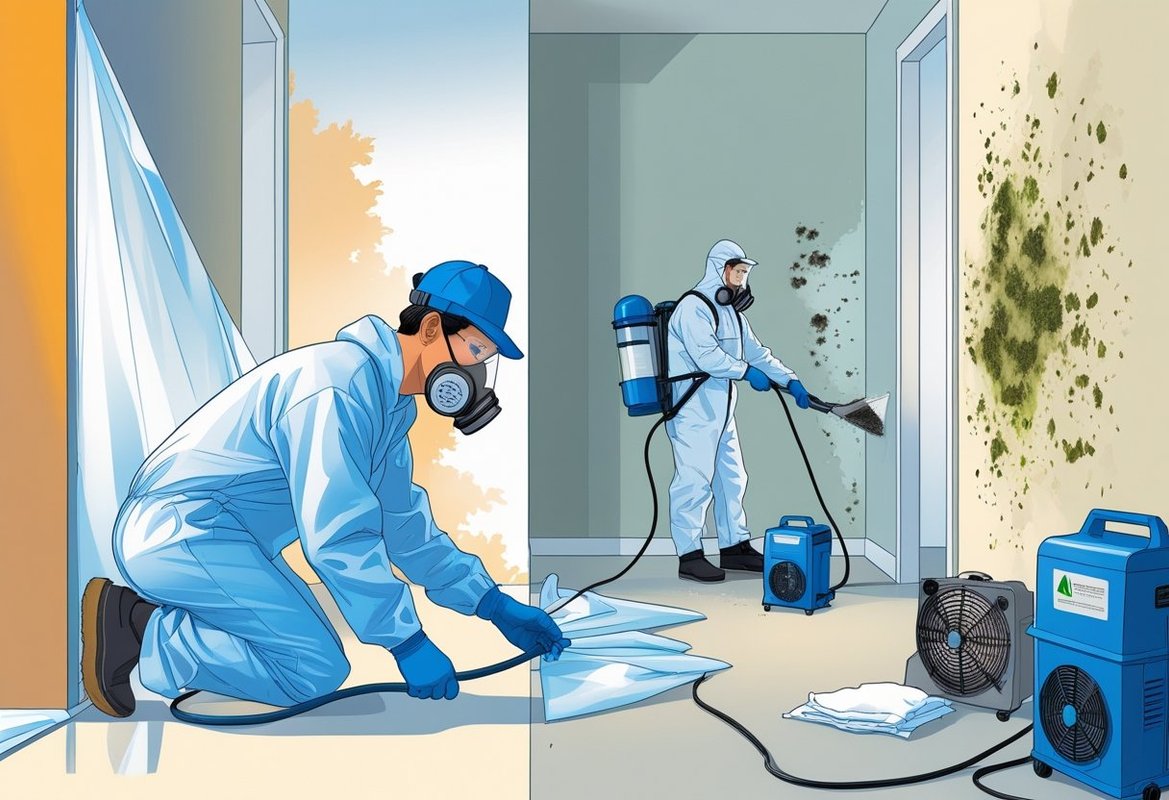
Protect your health and keep mold spores from spreading. That’s the name of the game during remediation, whether you’re in Buckhead, GA or College Park, GA.
Use the right gear, handle contaminated areas carefully, and control airflow to keep cleanup effective.
Wearing Protective Equipment
Always wear PPE—don’t skimp. Use a P100 respirator or better to filter out fine particles that can mess with your lungs.
Rubber, nitrile, or neoprene gloves protect your hands from mold and cleaners. You’ll want safety glasses or goggles too—again, no ventilation holes.
Wear disposable coveralls or washable clothes you don’t mind getting dirty. Closed-toe shoes or boots are a must.
When you leave the work area, take off your gear and either wash or toss it. Don’t drag spores into the rest of your house.
Minimizing Mold Spore Spread
Containment is everything. Seal contaminated drywall, carpet, or insulation in thick plastic bags before you move it out.
Mist surfaces with water before removal to keep particles from flying around. Skip dry sweeping and regular vacuums—those just send spores back into the air.
Use a HEPA vacuum instead. It’ll actually trap the tiny stuff.
Wash your hands and any exposed skin after handling contaminated items. Don’t mix work clothes with regular laundry unless you wash them hot.
Managing Airflow and Containment
Control airflow so spores can’t sneak into clean rooms. Use plastic sheeting and tape to seal doors, vents, and openings around the work zone.
Ventilation needs to go outside, not back into your house. Stick an exhaust fan in a window or wall vent and push that air out.
Don’t use your HVAC system until you’ve finished cleaning and swapped out the filters.
Big jobs sometimes call for negative air pressure machines. They make sure air only moves out, trapping spores inside until you filter or vent them away.
Immediate Actions After Mold Remediation
After the pros finish, your focus shifts to keeping the place safe and stopping mold from coming back. Cleaning, surface care, and knowing when it’s safe to re-enter all matter here.
Post-Remediation Cleaning
Even after a solid cleanup, you’ll probably find some dust or leftover particles. Wipe down hard surfaces with a mild detergent or EPA-approved cleaner.
Use a HEPA vacuum to grab any fine mold spores regular vacuums miss.
Run air purifiers with HEPA filters to cut down on airborne stuff. Let fresh air in if you can, and keep things dry—mold loves humidity.
Wash bedding, curtains, and clothes from the affected area in hot water and dry them on high heat. That’ll kill any spores hiding in the fibers.
Handling Porous and Nonporous Surfaces
Nonporous surfaces—think glass, tile, or metal—clean up pretty easily. They don’t soak up moisture, so spores can’t really stick around.
Porous stuff like drywall, carpet, and upholstered furniture is trickier. If it’s badly contaminated, it’s usually safer to replace it.
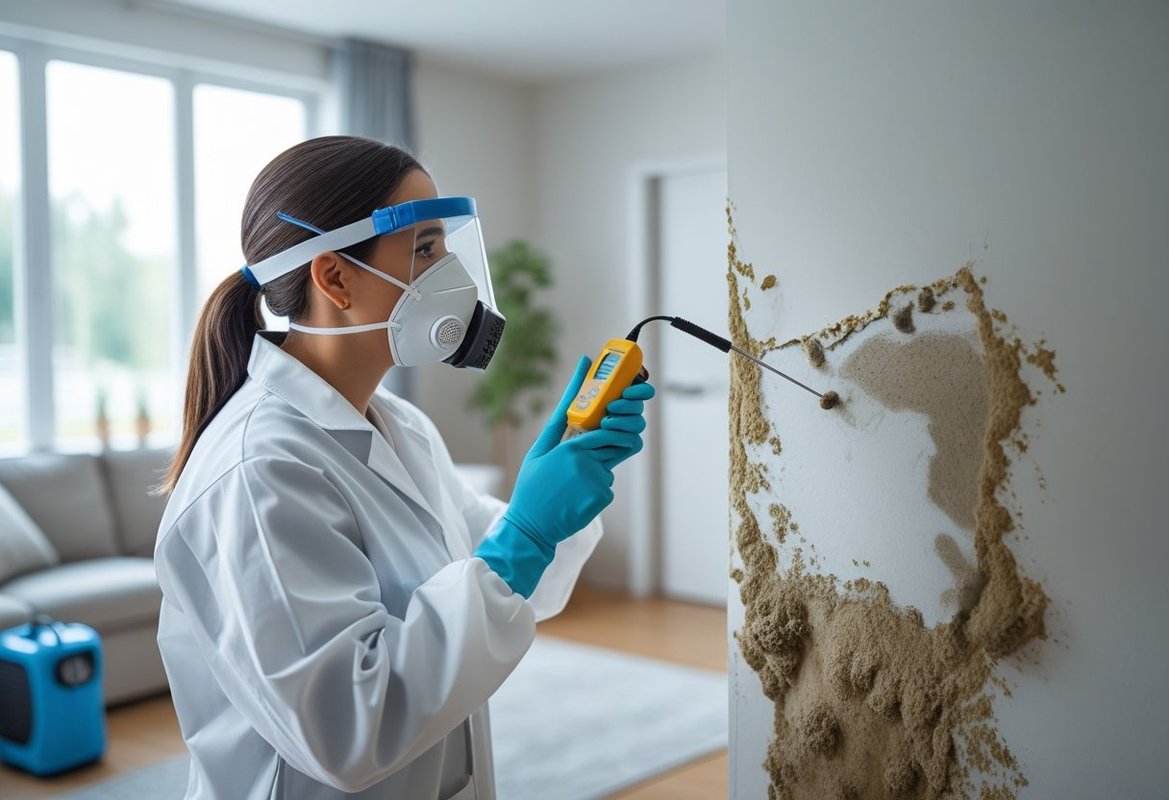
If you’re trying to save lightly affected wood or washable fabrics, make sure they’re totally dry and clean. Use a moisture meter if you’re not sure.
Safe Re-Entry Guidelines
Don’t rush back into remediated areas. Wait until clearance testing says the air quality is good.
When you go back in, give the place a sniff and look for damp spots. Musty smells or wet patches might mean there’s still a problem.
Use a hygrometer to keep an eye on humidity. It’s a small step, but it helps.
Kids, seniors, and anyone with asthma or allergies should be the last to re-enter. They’re more sensitive to leftover spores.
Post-Remediation Inspection and Verification
You’ll want a post-remediation inspection to make sure the cleanup worked and the place is safe. This usually means a visual check, air and surface testing, and fixing any lingering issues.
Conducting a Post-Remediation Inspection
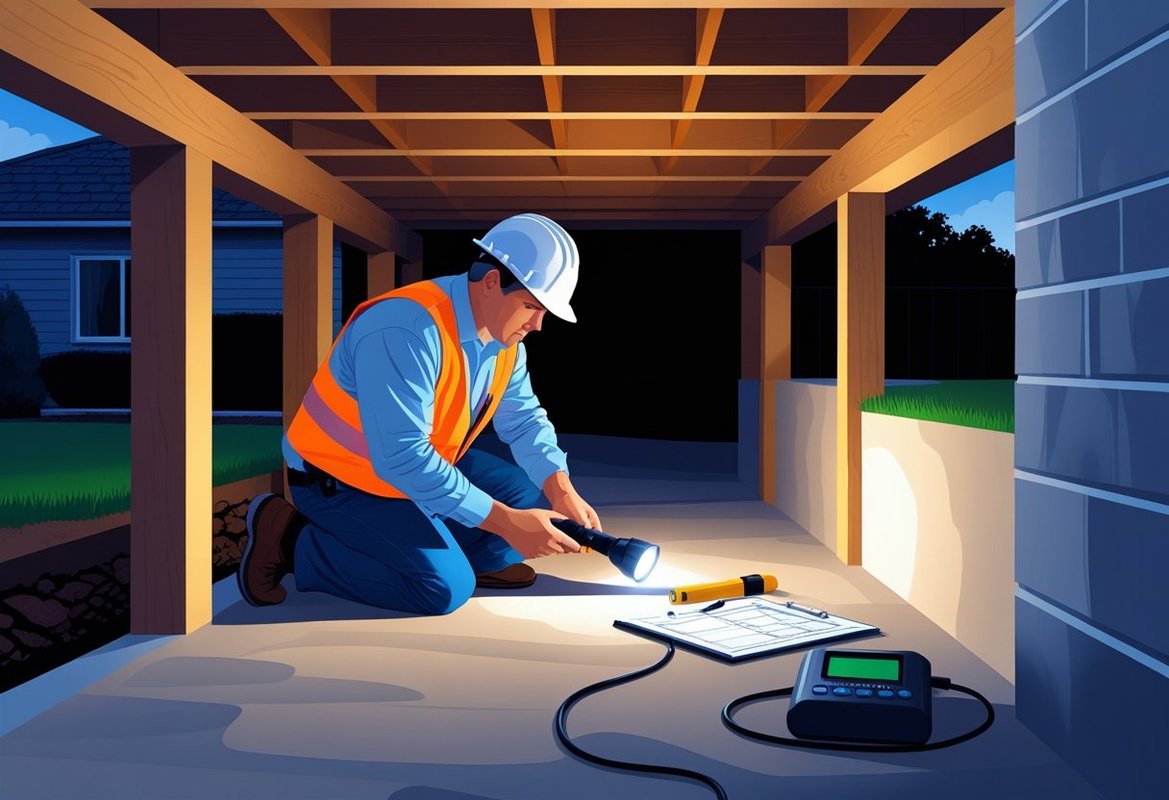
Inspectors start with a visual scan for signs of new mold, water stains, or structural damage. Even tiny spots of discoloration can mean trouble.
They might use moisture meters or infrared cameras to find damp areas behind walls or under floors. These tools spot hidden problems.
Inspectors also check if the work area’s clean and dry. If they see mold or debris, more remediation might be needed.
Air Quality Testing
Air testing compares indoor mold spore levels to what’s outside. If your home’s higher, something didn’t go right.
Testing usually happens a day or two after cleanup, before anyone moves back in. Keep the place closed up for the most accurate results.
Inspectors use spore traps or similar tools. They’ll compare results to baseline numbers to see if it’s safe.
If spore levels are still high, you’ll need more cleaning or drying.
Addressing Unresolved Issues
If inspection or air tests show problems, the remediation team should come back to fix them. They might need to remove more material, boost ventilation, or dry out hidden moisture.
Common problems include:
- Leaks or poor drainage letting moisture in
- Mold spores left behind on surfaces or in dust
- Bad containment during the first cleanup
Ask for documentation of any follow-up work. Test results and photos are good to have on file.
Preventing Mold Recurrence
Mold loves excess moisture, stale air, and neglect. Tackle these issues and you’ll have a much better shot at keeping your home mold-free, whether you’re in Roswell, GA or East Point, GA.
Controlling Humidity Levels
Keep indoor humidity between 30% and 50%. It’s one of the simplest ways to make life tough for mold.
A cheap hygrometer does the trick for measuring humidity. If it gets too high, act fast.
Dehumidifiers work wonders in basements, crawl spaces, and bathrooms. Run them regularly to stop condensation.
Fix leaks ASAP. Even tiny drips or a leaky roof can boost humidity and create hidden damp spots. Dry up wet areas within a day or two to stay ahead of mold.
Improving Home Ventilation
Stale air traps moisture and gives mold a chance. Let fresh air in when the weather’s nice.
Exhaust fans are key in kitchens, bathrooms, and laundry rooms. Make sure they vent outside—not into your attic or crawlspace.
Ceiling fans and open doors help with airflow, too. If you’ve got HVAC, clean the ducts and change filters on schedule to keep air moving and spores at bay.
Regular Maintenance and Monitoring
Routine care keeps mold from sneaking back. Check for leaks around sinks, tubs, and appliances. Inspect roofs, gutters, and downspouts so water drains away from your house.
Watch for condensation on windows or walls. If you spot it, boost ventilation or run a dehumidifier before mold gets a foothold.
A quick checklist helps:
- Check humidity
- Clean and run exhaust fans
- Inspect plumbing and roofing
- Empty and clean dehumidifiers
These little habits make a big difference.
Caring for Belongings and Household Items
Mold doesn’t just stick to walls—it can get on furniture, clothes, and personal stuff. Know what you can clean, what should go, and how to keep things safe for next time.
Clean what you can, toss what you can’t, and store items properly. It’s the best way to keep mold from spreading and protect your belongings.
Cleaning Mold-Affected Items
You can't save everything after a mold cleanup. Porous surfaces like upholstered chairs, paper, and cardboard soak up spores so deeply that cleaning them just doesn't work. Most of the time, it's best to toss these items if you want to keep mold from coming back.
You can usually clean non-porous stuff like glass, metal, or hard plastic. Just scrub them with detergent and water, then dry them well. For clothing or washable fabrics, hot water and detergent do the trick.
Wear gloves and a mask when you clean to avoid breathing in spores or getting them on your skin. Make sure everything dries out completely—any leftover moisture just invites mold right back. If you've got a HEPA vacuum, use it to suck up loose spores before you start washing.
If you're dealing with a mold problem in Sandy Springs, GA or anywhere in the Atlanta area, don't risk your health by skipping safety steps.
Using Mold-Resistant Products
Switching to mold-resistant products can help you avoid future headaches. Mold-resistant drywall, paints, and sealants have additives that slow down mold growth. These are especially handy in places with a lot of moisture, like bathrooms, basements, and kitchens.
Some sprays and treatments give fabrics a protective layer, making it harder for spores to latch on. Picking washable rugs, synthetic curtains, or even leather alternatives makes cleanup easier if you ever face mold again.
Plastic storage bins beat cardboard every time. They're easy to wipe down and don't soak up moisture. Cardboard just gets soggy and moldy fast. If you're in Decatur, GA and want to keep things mold-free, investing in tough, moisture-resistant materials is totally worth it.
Safe Storage Practices
Storing things right keeps mold from spreading to your clean stuff. Always use dry, well-ventilated areas and try to keep humidity under 50%. A dehumidifier works wonders in basements or closets, especially in humid spots like Roswell, GA.
Plastic bins with tight lids protect your things better than open shelves or cardboard boxes. Label containers so you don't have to open them more than necessary—less exposure to spores that way.
Make sure clothes, bedding, and other fabrics are bone dry before you put them away. Even a little moisture can start mold growing. For long-term storage, vacuum-sealed bags add extra protection against dampness and airborne spores.
Browse certified mold remediation companies in Atlanta to find vetted specialists near you.
Frequently Asked Questions
Folks around the Atlanta, GA area always ask about how to get ready for mold remediation, what happens during the process, and what to do afterward. People worry about safety, timing, cost, and what to do if they're buying a place with a mold problem.
How should I prepare my home for mold remediation?
Clear out your personal stuff and move furniture that blocks access. Cover valuables and nearby items to shield them from dust or debris. If you have pets, move them somewhere safe and out of the way.
Can I remain in my home during the mold remediation process?
Sometimes you can stay if the mold is limited and the area is sealed off. If the job is bigger or the mold has spread, it's usually safer to leave until the work's done. Pros might suggest you temporarily relocate to avoid exposure.
What are the safety concerns following mold remediation?
After remediation, the main thing is keeping spores from coming back. Keep the area dry and well-ventilated. Sometimes, air quality testing makes sense to be sure the space is safe again.
How long does it typically take to complete mold remediation?
It depends on how much mold there is and how bad the damage is. Smaller jobs might take a day or two. Bigger projects can stretch into a week or more, especially if drying out and inspections take extra time.
Who is responsible for the costs of mold remediation?
Usually, the property owner covers the bill. Sometimes, home insurance helps out if the mold came from something sudden, like a burst pipe. But if the mold's from long-term neglect, insurance probably won't pay. If you're in Marietta, GA, check your policy details before booking a remediation.
What steps should be taken if extensive mold is discovered in a potential home purchase?
If you find a lot of mold while checking out a house in the Atlanta, GA area, ask for a professional inspection right away. You want to know just how much damage you’re dealing with.
If you’ll need mold remediation in Marietta, GA or maybe Decatur, GA, make sure you factor those costs into your negotiations. Sometimes, it’s fair to ask the seller to handle the cleanup before closing.
If you're weighing your options, see our guide on [DIY vs. professional black mold removal.
Water Damage Atlanta Editorial Team
Restoration & Home Services Expert
We help Atlanta homeowners recover from water damage with trusted advice and local resources.