What to Do in the First 24 Hours After Water Damage in Atlanta
The first 24 hours after water damage are the most important. What you do (and don't do) in that window determines whether you're looking at a manageable repair bill or a full-scale gut job.
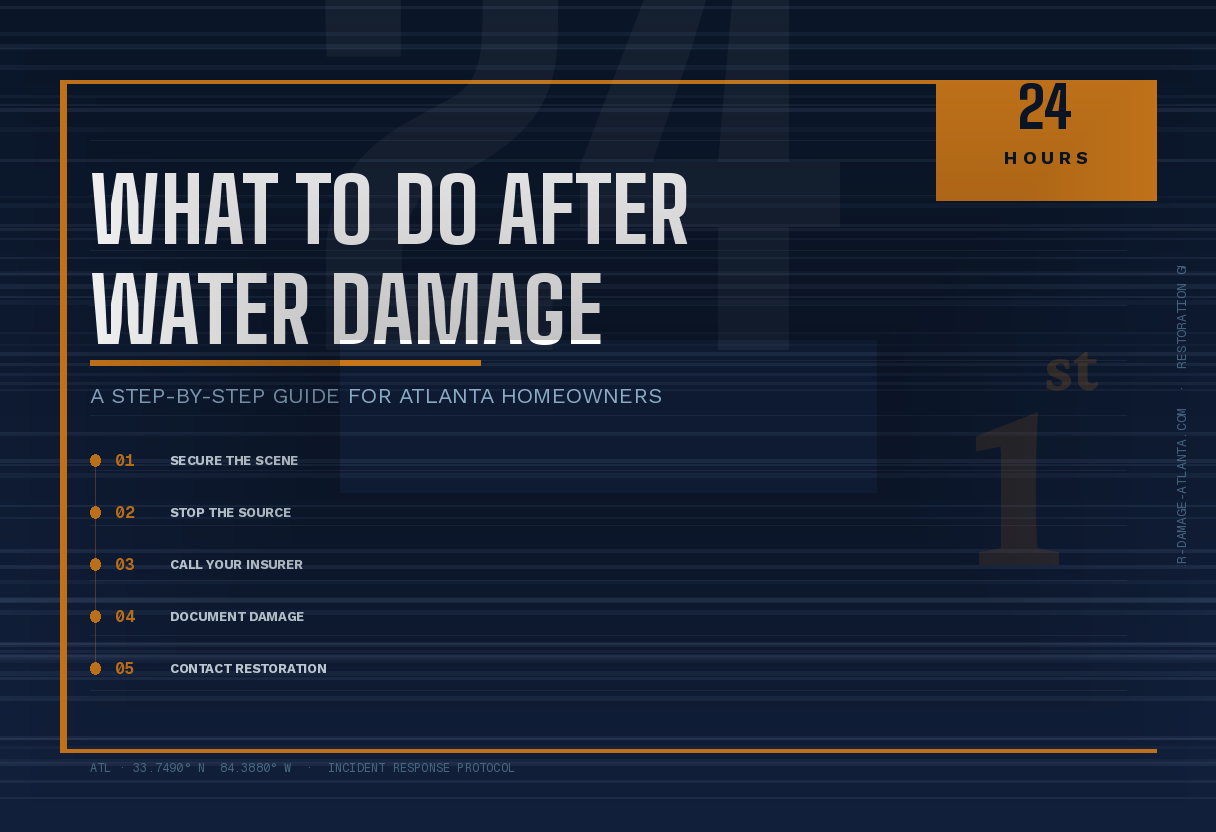
What to Do in the First 24 Hours After Water Damage in Atlanta
The first 24 hours after water damage are the most important. What you do (and don't do) in that window determines whether you're looking at a manageable repair bill or a full-scale gut job.
Atlanta homeowners deal with water damage from burst pipes, heavy storms, HVAC overflows, and backed-up sewers. The cause changes some of the specifics, but the response timeline is always the same: fast action limits damage, slow action lets it compound.
Here's exactly what to do, in order.
Step 1: Make Sure the Scene Is Safe
Before anything else, check whether it's safe to be in the space.
Water and electricity are a lethal combination. If water is near outlets, appliances, your electrical panel, or anything plugged in — don't enter until power to that area is shut off at the breaker. If you're not sure, call your utility company or stay out until a professional arrives.
Also watch for structural issues. Ceilings that are sagging or bubbling with water can collapse. Floors that feel soft underfoot may have compromised subfloor. If anything looks unstable, evacuate and let a professional assess it first.
If the water source is sewage or floodwater, treat it as a biohazard. Don't wade through it without protection.
Step 2: Stop the Water at the Source
Once you're safe, cut off the water.
For a burst pipe or appliance leak, shut off the main water supply to your home. The shutoff valve is usually near the water meter — outside by the street or inside near the water heater.
For roof damage or a window leak during a storm, you can't stop the rain. But you can place buckets, move furniture, and protect what you can while you wait for the storm to pass.
For an overflowing toilet or drain backup, shut the supply valve at the base of the toilet or call a plumber immediately if the backup is more widespread.
Every minute water continues flowing is more area saturated and more damage to contain.
Step 3: Call Your Insurance Company
Call your homeowner's insurance provider as soon as the immediate crisis is under control. Don't wait until the next morning or after you've started cleanup.
A few things to know about Atlanta water damage claims:
Most standard homeowner's policies cover sudden and accidental water damage — burst pipes, appliance leaks, HVAC overflows. They typically do NOT cover flooding from outside the home. For that, you'd need a separate flood policy through FEMA's National Flood Insurance Program.
When you call, get a claim number and ask what documentation they need. That leads directly to the next step.
Step 4: Document Everything Before You Touch It
Before you move anything or start cleanup, document the damage thoroughly. This is how you protect your claim.
Walk every affected room and take photos and video. Capture:
- Standing water levels
- Waterlines on walls
- Soaked flooring and baseboards
- Damaged furniture and belongings
- The source of the water if visible
If you have photos or video from before the damage (move-in photos, renovation shots, etc.), save those too. They establish pre-loss condition.
Do not throw anything away until your adjuster has seen it or you've confirmed it's okay to do so. Even ruined items may need to be documented for your claim.
Step 5: Call a Water Damage Restoration Company
This is not a wait-and-see situation. Call a professional restoration company as soon as you've documented the damage.
Here's why timing matters so much in Atlanta specifically: the city's humidity, even outside of summer, means wet building materials can begin supporting mold growth within 24 to 48 hours. Once mold is established, remediation costs stack on top of restoration costs — and the process gets significantly longer.
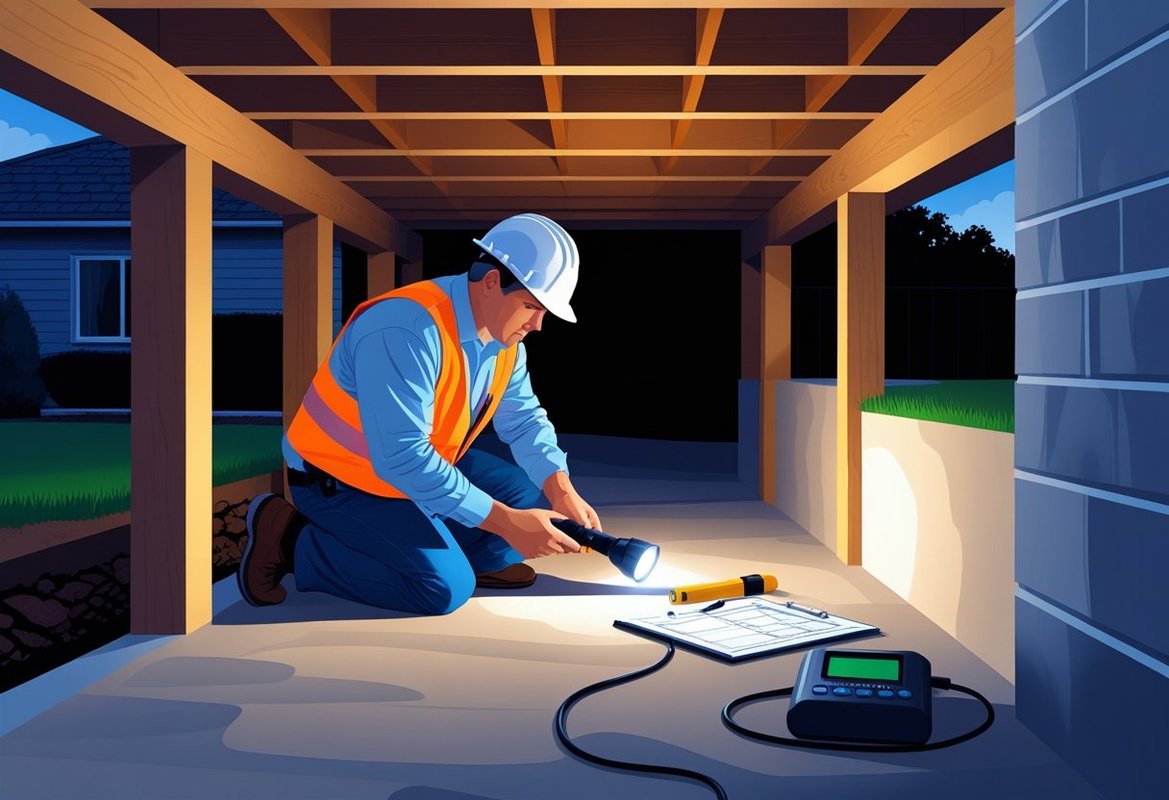
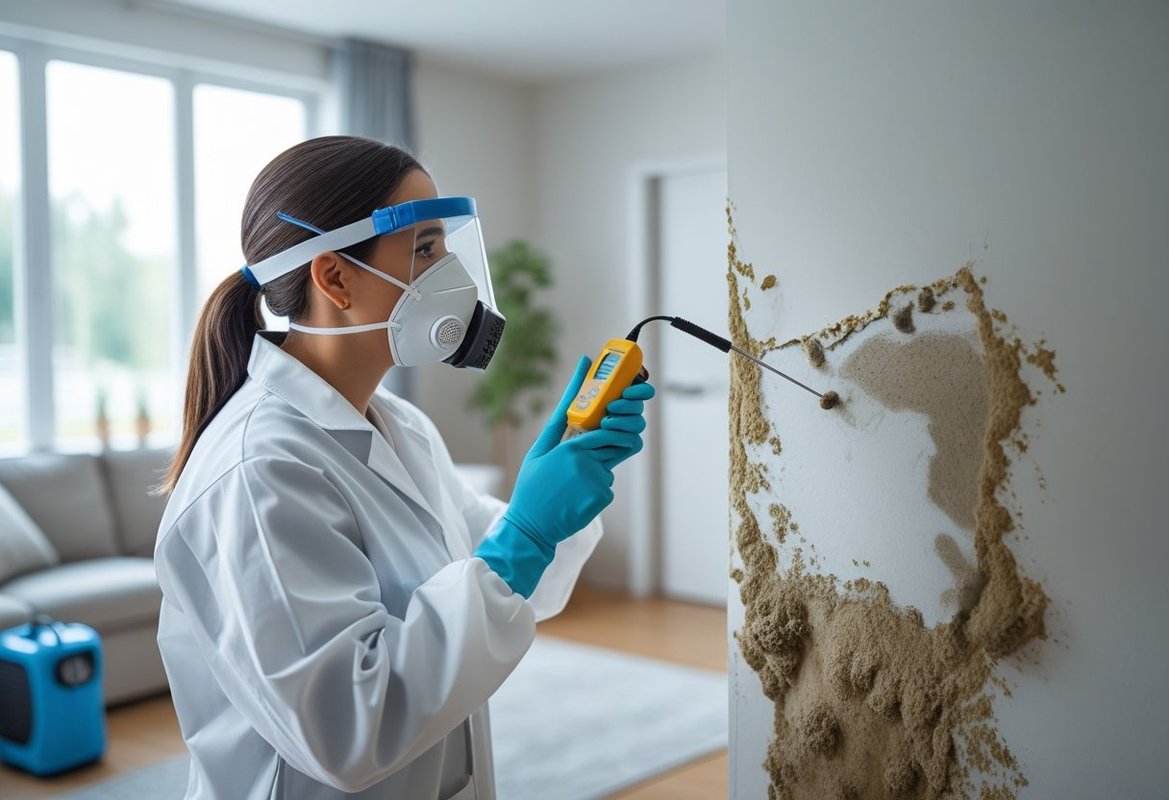
A certified restoration crew brings industrial extraction equipment, moisture meters, and commercial drying systems that no amount of household fans and towels can replicate. They'll also identify moisture that's moved into walls, subfloors, and insulation — damage that isn't visible to the eye but causes ongoing problems if left untreated.
When you call, ask about their response time. Most reputable companies in the Atlanta metro offer 24/7 emergency response and can be on-site within a few hours.
When you're ready to hire, browse vetted certified restoration companies near Atlanta to find certified specialists.
Step 6: Start Removing Standing Water If It's Safe to Do So
If you're waiting on a restoration crew and conditions are safe, you can start removing standing water yourself using a wet/dry vacuum or mop.
Don't use a standard household vacuum — they're not designed for water and can create an electrocution hazard.
Focus on the worst-affected areas first. Move furniture off wet carpet to prevent staining. Lift area rugs off hardwood floors to prevent buckling and trapped moisture underneath.
Open windows and interior doors to get air moving if outdoor conditions allow. In Atlanta summers, the outdoor humidity may actually work against you — use your judgment, or wait for the pros.
Step 7: Protect Belongings and Prevent Cross-Contamination
Move undamaged items out of the affected area to keep them dry. This includes furniture, electronics, clothing, documents, and valuables.
If the water is from a clean source (pipe burst, appliance), standard handling is fine. If there's any chance it's contaminated — sewage, stormwater, water that sat for more than 24 hours — handle belongings with gloves and wash your hands thoroughly.
Don't run HVAC systems in a home with contaminated water. You risk spreading bacteria and spores through the ductwork to the rest of the house.
What Not to Do in the First 24 Hours
A few common mistakes that make things worse:
- Don't use regular fans to dry walls or ceilings — they move surface air but don't pull moisture from inside materials
- Don't assume the floor is dry because the surface feels dry — moisture lives in the subfloor long after the surface looks fine
- Don't wait to see if it dries out on its own — 48 hours in Atlanta's climate is enough for mold to take hold
- Don't tear out materials before your adjuster has seen them unless a professional tells you it's necessary for safety
When Does Mold Become a Concern?
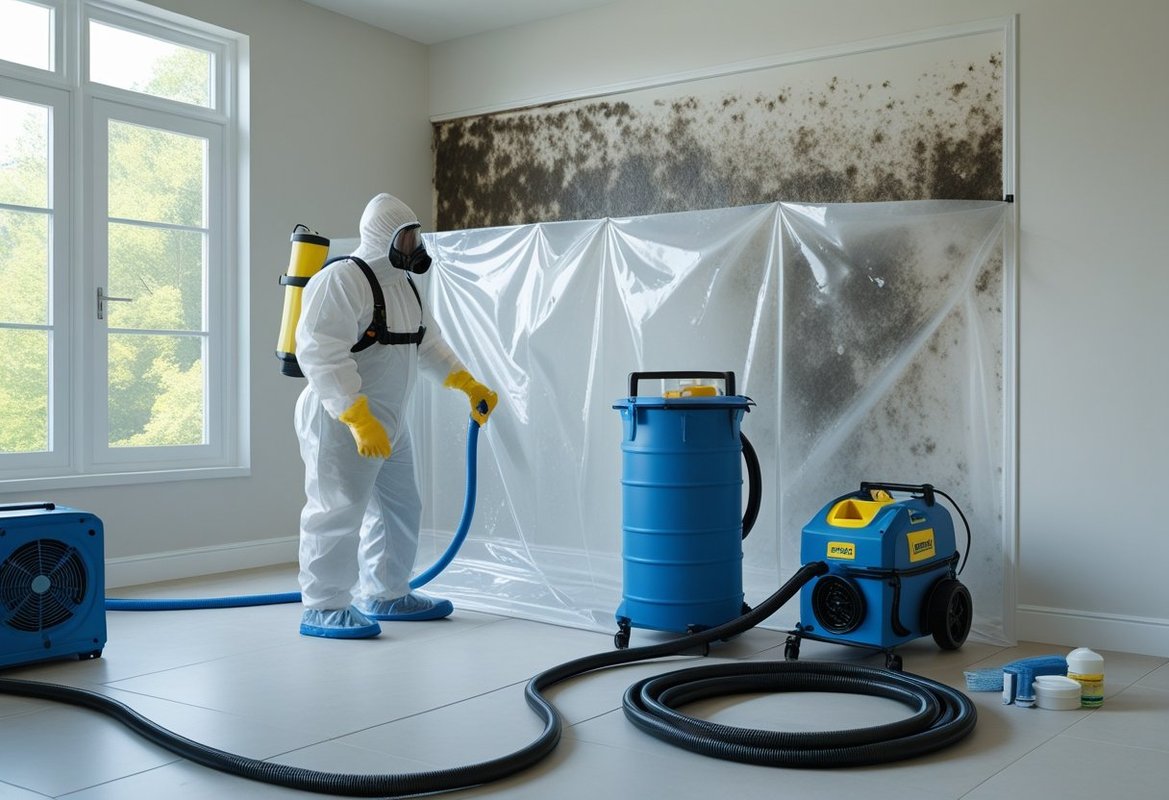
Mold can begin growing within 24 to 48 hours in warm, humid conditions — which describes most of Atlanta's calendar year. It doesn't require visible standing water; moisture trapped inside walls, insulation, or under flooring is enough.
Signs mold is developing include a musty smell, visible discoloration on walls or ceilings, or allergy-like symptoms appearing in occupants.
If your restoration crew finds elevated moisture readings in walls or flooring, ask specifically about their mold prevention protocol. Professional mold remediation is significantly easier and less expensive when caught before it spreads.
Frequently Asked Questions
How quickly do I need to act after water damage?
Immediately. The first 24 to 48 hours are critical. Mold can begin growing within that window, and materials that could be saved with fast drying may need full replacement if left wet for too long.
Does homeowner's insurance cover water damage in Atlanta?
Most standard policies cover sudden and accidental water damage (burst pipes, appliance leaks). They typically don't cover gradual leaks, maintenance failures, or flooding from outside the home. Check your specific policy and call your insurer as soon as possible.
Can I dry out water damage myself?
You can remove surface water with a wet/dry vacuum and improve air circulation. But professional restoration equipment is needed to pull moisture out of walls, subfloors, and insulation. DIY drying often leaves hidden moisture that causes mold and structural damage later.
How long does water damage restoration take?
Drying typically takes 3 to 5 days with professional equipment. Full restoration — replacing flooring, drywall, and other materials — depends on the extent of the damage and can take several weeks.
For a full breakdown, read our guide on basement flooding in Atlanta: what to do.
The Bottom Line
Water damage moves fast. Mold moves faster. The homeowners who come out of water damage situations with the least long-term damage are almost always the ones who called a professional restoration crew within the first few hours — not the ones who waited to see if it would dry out.
If you've had water damage in Atlanta, find a certified restoration company near you and get someone on-site as quickly as possible. The clock is already running.
Water Damage Atlanta Editorial Team
Restoration & Home Services Expert
We help Atlanta homeowners recover from water damage with trusted advice and local resources.