What to Expect During a Professional Black Mold Remediation Service and How It Works
Black mold spreads fast and can cause all sorts of problems if you ignore it. Professional mold remediation teams in the Atlanta, GA area, whether you’re in Marietta or Sandy Springs, follow a step...
What to Expect During a Professional Black Mold Remediation Service and How It Works
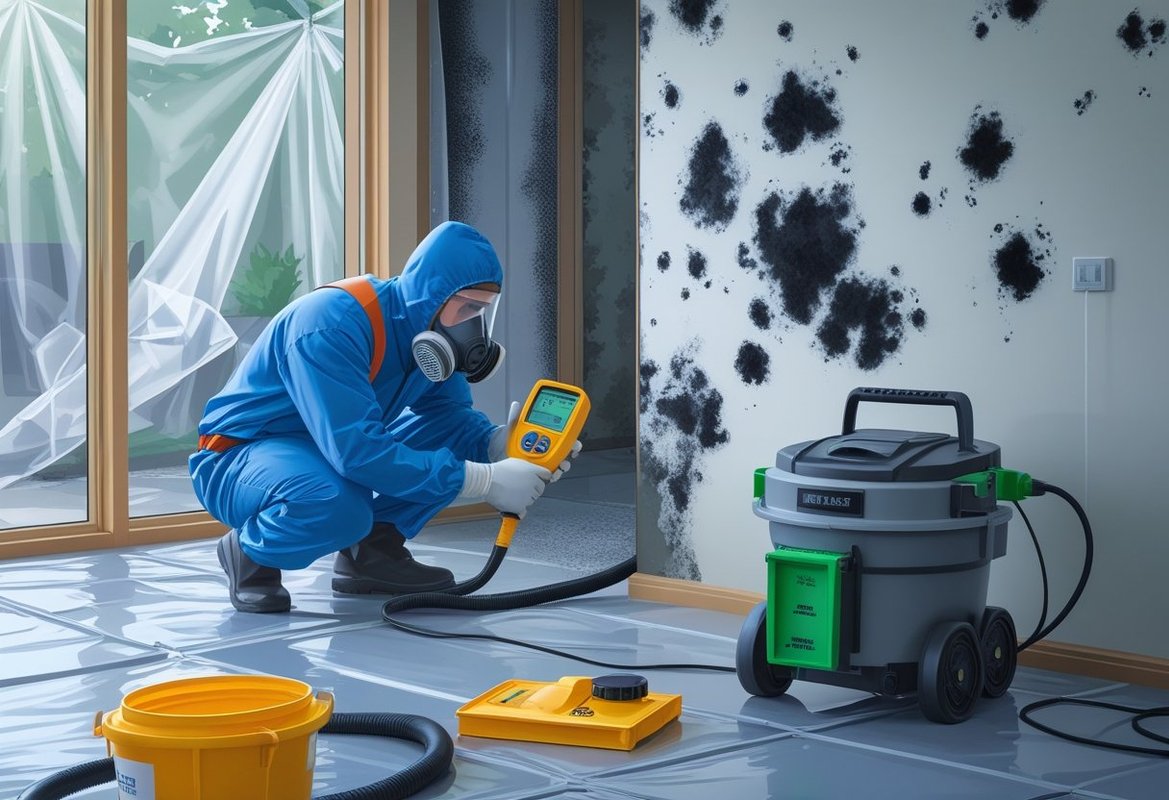
Black mold spreads fast and can cause all sorts of problems if you ignore it. Professional mold remediation teams in the Atlanta, GA area, whether you’re in Marietta or Sandy Springs, follow a step-by-step process to remove mold, protect your property, and lower the chance it comes back.
A typical black mold remediation service includes inspection, containment, removal, cleaning, and restoring the space to safe conditions.
The process starts with a detailed assessment to find all mold growth—even the hidden stuff. Crews use safety measures to keep spores from spreading to other parts of your home.
Specialized equipment and cleaning methods help make sure the removal is thorough and up to industry standards.
Understanding Black Mold and Health Risks
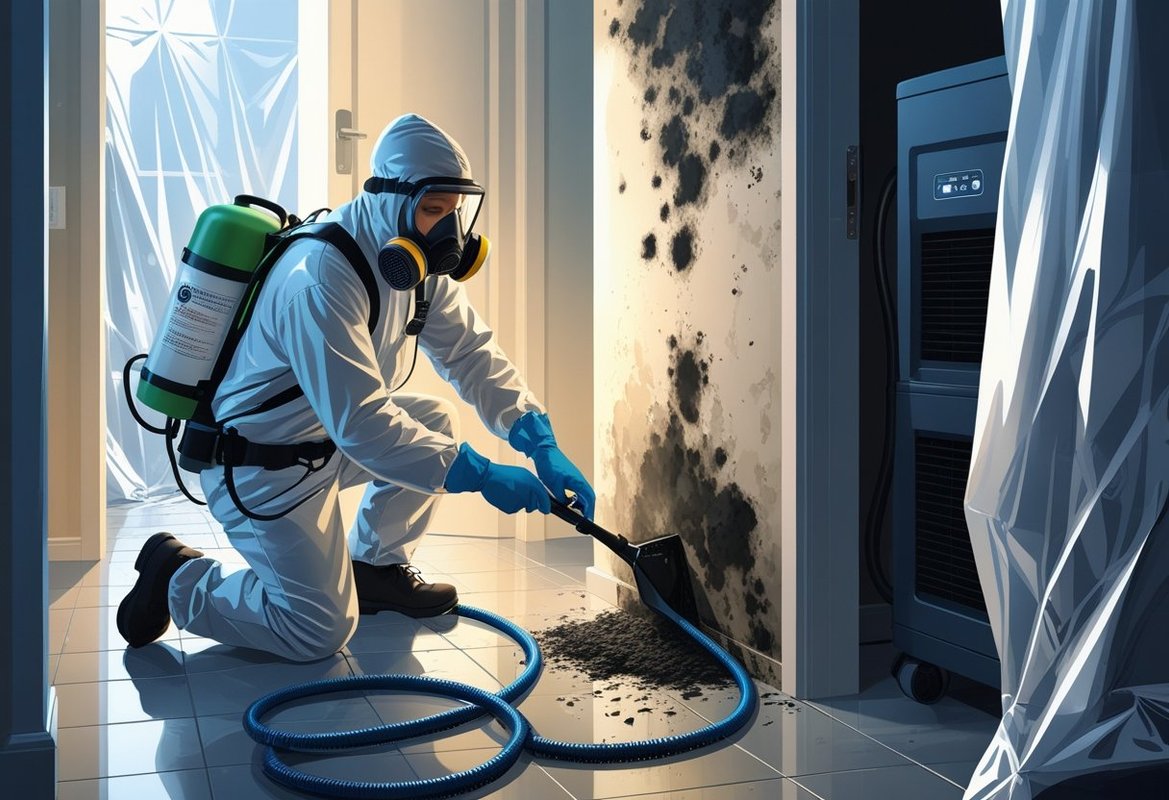
Black mold thrives in damp, indoor spaces and releases spores into the air. These spores can mess with indoor air quality and trigger health issues, especially for folks with allergies, asthma, or weak immune systems.
Catching and fixing mold early helps limit the damage to you and your home.
What Is Black Mold?
Black mold covers several dark mold species, but Stachybotrys chartarum is the one everyone talks about. It looks dark green or black and loves moisture and poor ventilation.
You’ll often find it on:
- Drywall
- Wallpaper
- Wood
- Carpet backing
Any spot with water damage or high humidity that goes unchecked can become a breeding ground. Mold can show up in just a day or two if conditions are right.
Even if it’s not the “toxic” kind, any indoor mold should be removed quickly to avoid health issues and damage.
Health Effects of Mold Exposure
Mold exposure usually causes mild to moderate symptoms, but some people are more sensitive. If you have asthma, allergies, or a weakened immune system, you might react more strongly.
Common effects:
- Respiratory symptoms: coughing, wheezing, sore throat
- Allergic reactions: sneezing, runny nose, itchy eyes
- Skin irritation: rashes or redness
Long-term exposure, especially in stuffy areas, can make asthma worse or cause sinus trouble. Severe illness from black mold is rare, but ongoing exposure can make life at home pretty uncomfortable.
Common Signs of Mold Growth
You can’t always see mold, but a musty, earthy smell is a big red flag.
Other clues:
- Discolored spots on walls, ceilings, or floors
- Peeling paint or bubbling wallpaper
- Warped or soft spots in building materials
- More allergy symptoms when you’re indoors
Mold likes to hide behind walls, under floors, or inside HVAC ducts. If you spot leaks, condensation, or unexplained moisture, act fast to keep things from getting worse.
Initial Assessment and Inspection
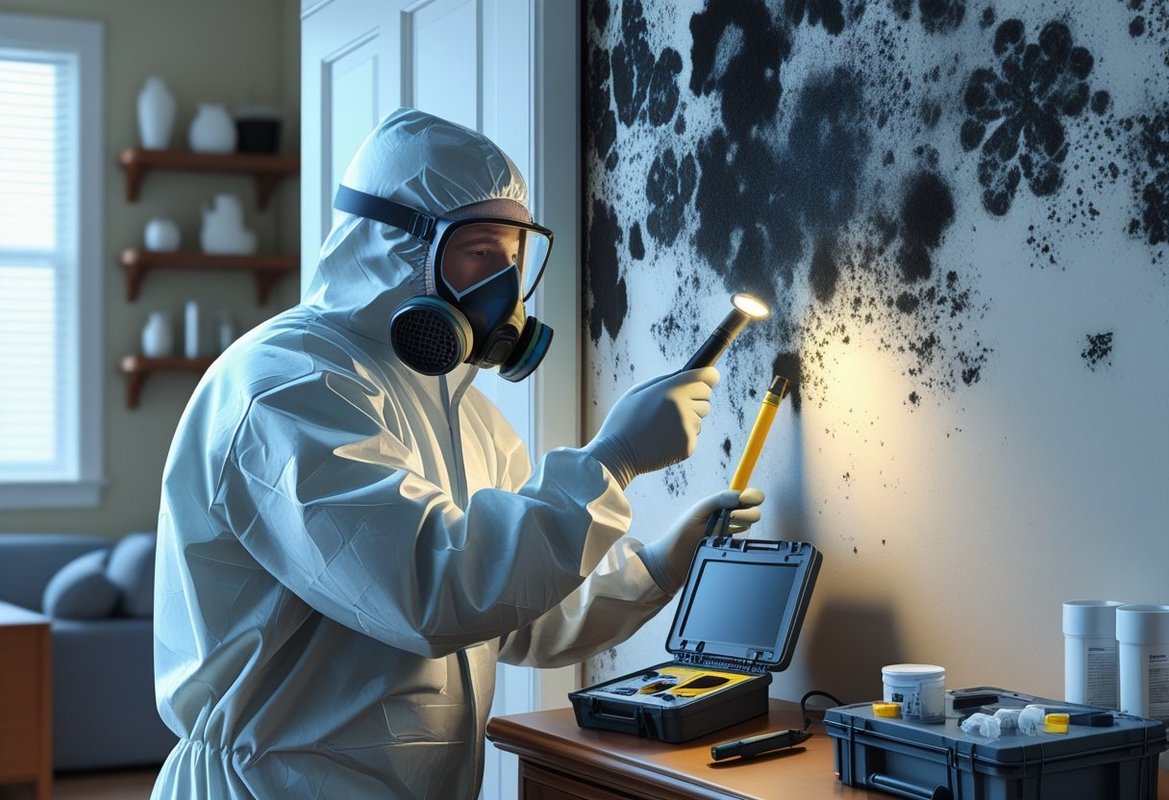
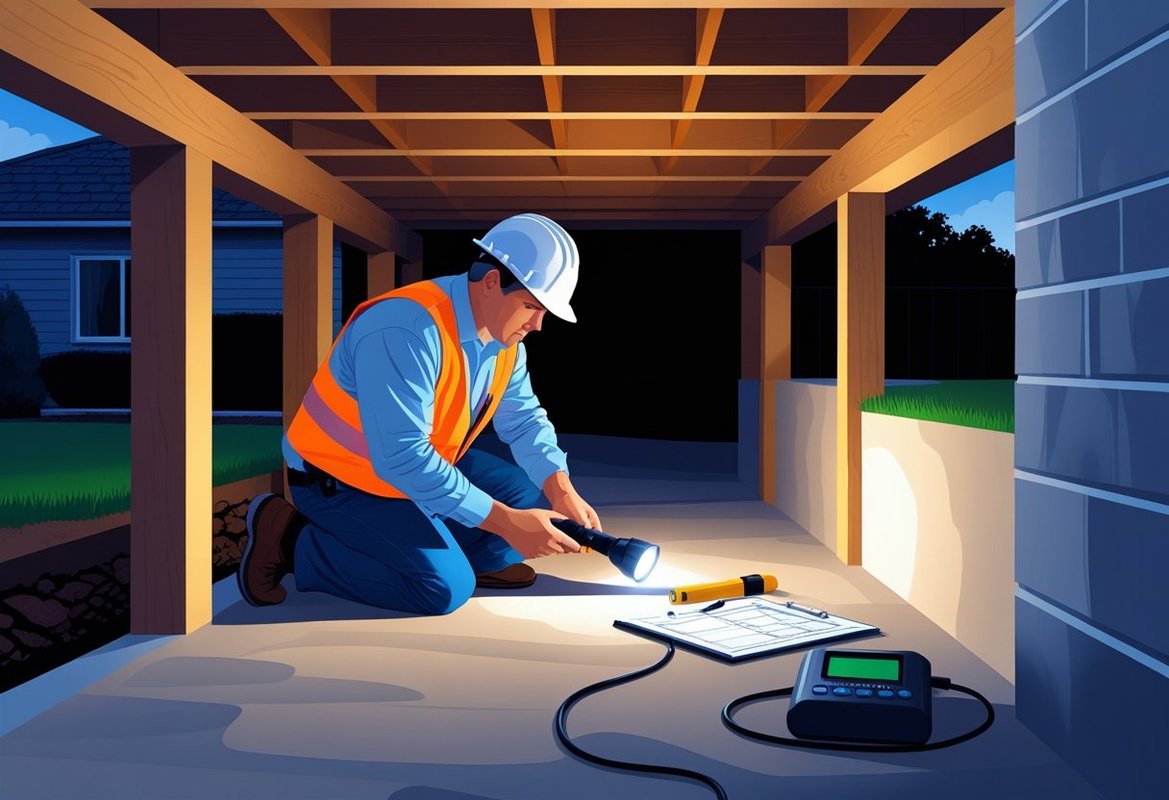
A professional mold remediation team in places like Roswell or Decatur, GA, starts by figuring out how bad the contamination is and what’s causing it. Inspectors look for visible and hidden mold, track down moisture sources, and decide how best to tackle the problem.
Professional Mold Inspection Process
The inspection kicks off with a visual check of all the usual suspects—walls, ceilings, floors, HVAC systems, and anywhere else mold might lurk.
Inspectors ask about past leaks, water damage, or musty smells. This helps them zero in on problem areas.
They snap photos and take notes to build a remediation plan.
If needed, they’ll collect air or surface samples to see what kind of mold you’re dealing with. Lab tests can confirm if it’s black mold or something else.
Identifying Hidden Mold
A lot of mold hides out of sight. Hidden mold can grow behind drywall, under floors, in insulation, or inside vents.
Inspectors look for water stains, peeling paint, warped spots, or stubborn odors. These hint at moisture problems that let mold thrive.
Sometimes, they carefully remove small sections of material to check for hidden colonies. They do this to avoid spreading spores.
Tracking down hidden mold matters—if you miss it, it’ll just keep causing trouble.
Using Moisture Meters and Detection Tools
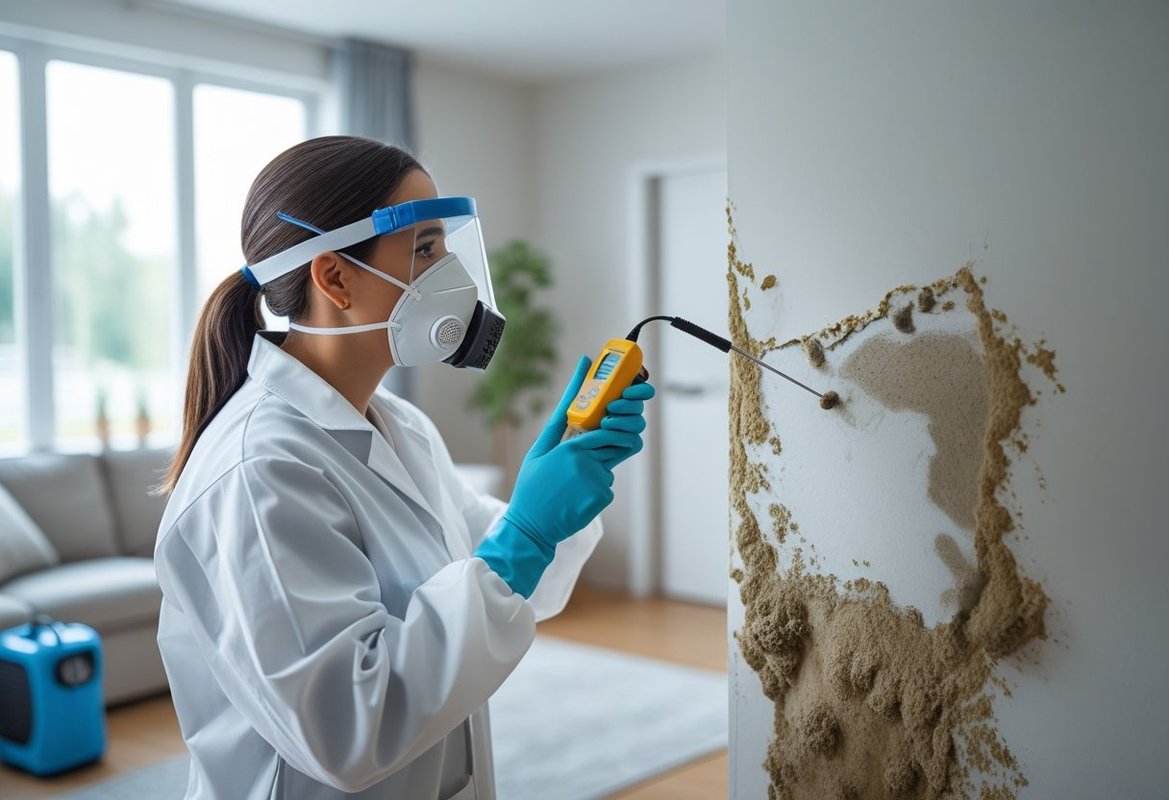
Inspectors rely on specialized tools to find moisture and mold in places you can’t see. Moisture meters measure how wet materials like wood or drywall are.
High readings usually mean there’s a leak or water problem. Fixing these is key to keeping mold from coming back.
Thermal cameras can spot cold patches that mean trapped moisture behind walls or floors.
They might also use hygrometers for humidity and borescopes to peek into tight spots. These gadgets help find issues without tearing up your house.
Containment and Safety Measures
Professional remediation teams use strict steps to keep spores from spreading and to protect everyone involved. The focus is on sealing off affected areas, controlling airflow, and wearing the right safety gear.
Setting Up Containment Barriers
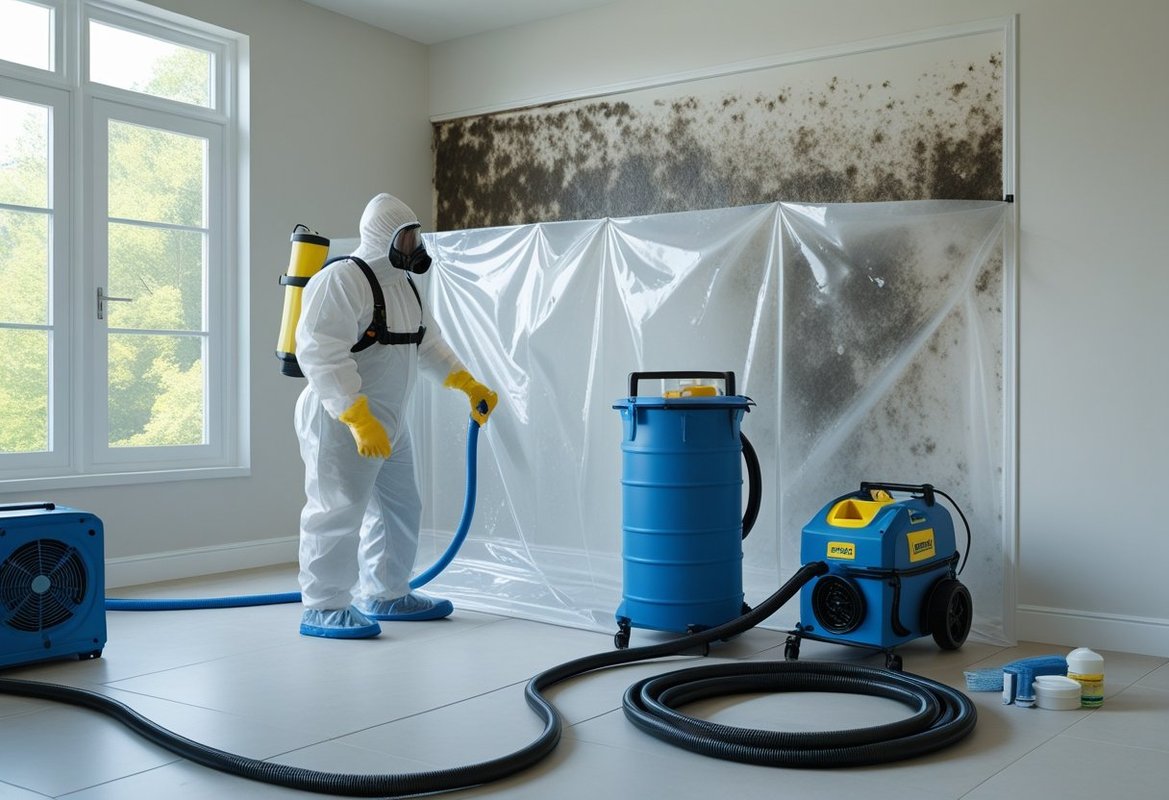
Technicians build containment zones to stop spores from escaping. They use 6-mil plastic sheeting and tape to seal off the workspace.
Doors, vents, and other gaps get covered to block airflow. In bigger jobs, they’ll add zippered entryways so workers can get in and out without breaking the seal.
These barriers keep other rooms safe and help control air during cleanup. Without them, spores could spread through the HVAC or drafts.
Negative Air Pressure Techniques
Negative air pressure keeps dirty air inside the work zone. Teams use HEPA-filtered air scrubbers with ducting to vent air outside.
The system pulls air from the contained area and exhausts it outdoors, creating a slight vacuum. That way, air only flows in—not out.
Technicians check pressure with gauges to make sure it stays right. If it drops, spores could escape, so this step has to be spot-on.
Personal Protective Equipment
Workers wear personal protective equipment (PPE) to stay safe from spores and cleaning chemicals. Typical gear includes:
| PPE Item | Purpose |
|---|---|
| N95 or half-face respirator with P100 filters | Filters mold spores from air |
| Disposable coveralls | Keeps spores off clothes |
| Gloves | Protects skin from mold and chemicals |
| Goggles or face shield | Shields eyes from debris |
Everyone puts on PPE before entering containment and takes it off before leaving to avoid spreading spores.
On some jobs, they’ll use full-face respirators or PAPRs if spore levels are high. Good fit and regular gear checks are a must.
Mold Removal and Cleaning Procedures
Pros use a structured approach to get rid of mold and keep it from spreading. This usually means removing damaged materials, filtering the air, and cleaning surfaces with disinfectants.
Removal of Mold-Infested Materials
If drywall, carpet, or insulation is badly contaminated, there’s no saving it. Technicians cut it out and bag it up using sealed plastic bags to keep spores contained.
Stuff like upholstered furniture or ceiling tiles might have to go if mold has sunk in deep.
They do all this under containment, suited up with gloves, masks, and disposable suits for safety.
HEPA Vacuums and Air Filtration
HEPA vacuums are essential. They trap tiny particles, including most mold spores.
Crews use HEPA air scrubbers to clean the air in the work area, cutting down on airborne spores.
They vacuum floors, walls, and other surfaces after removing visible mold. This step grabs loose spores and dust before disinfecting.
Disinfection and Surface Cleaning
After vacuuming, they clean surfaces with EPA-registered antimicrobial solutions. These kill leftover spores and help prevent regrowth.
Hard surfaces like metal, glass, and tile can be scrubbed and disinfected. For porous stuff that stays, like some wood framing, they’ll treat it with special sealants after cleaning.
Teams use a wet-wipe method, then dry the area fully. If surfaces stay damp, mold can come right back—so drying is non-negotiable.
Restoration and Preventive Actions
A good black mold remediation job in Atlanta, GA, usually means fixing any structural damage, solving moisture issues, and improving indoor air. Each step cuts down the odds of mold coming back.
Repairing Water Damage
Water damage is a big reason mold shows up in the first place. Pros check walls, ceilings, and floors for moisture, using meters and thermal cameras to find hidden wet spots.
If drywall, insulation, or carpet can’t be dried, they’ll remove it. Sometimes, wood framing gets cleaned, treated, and dried with fans or dehumidifiers.
Repairs might include:
- Fixing roof leaks
- Sealing plumbing joints
- Swapping out warped or rotten wood
You have to fix the water source—otherwise, mold will just return.
Preventing Future Mold Growth
Prevention is all about controlling moisture and boosting airflow. Technicians might suggest adding exhaust fans to kitchens, baths, or laundry rooms. In basements or crawl spaces, vapor barriers and sump pumps can help.
They may apply mold-resistant coatings to walls or framing in trouble spots. Checking pipes, gutters, and HVAC systems regularly helps catch leaks early.
A basic checklist:
- Keep indoor humidity under 50%
- Dry up spills within 24–48 hours
- Clean gutters twice a year
These steps make it harder for mold to get started.
Improving Indoor Air Quality
Black mold releases spores that linger in the air, even after cleaning. Pros often run HEPA air scrubbers during and after remediation to catch stray particles.
They might suggest swapping in high-efficiency HVAC filters and cleaning ducts if spores have spread. When weather’s nice, open windows to freshen up the air.
Air quality tests can confirm spore levels are back to normal. That gives you peace of mind and helps keep your place healthier.
Choosing a Professional Mold Remediation Service
Picking the right mold remediation crew in Atlanta, whether you’re in Alpharetta or East Point, means checking their qualifications, seeing what tools and methods they use, and looking at their track record.
Credentials and Certifications
A solid mold remediation company should have certifications from groups like the IICRC (Institute of Inspection, Cleaning and Restoration Certification) or NORMI (National Organization of Remediators and Mold Inspectors). These mean the team has real training in safe mold removal.
Licensing rules change by state, but any legit provider will show proof of licenses. Insurance matters too—look for general liability and workers’ comp to cover both you and the workers.
Ask for copies of certifications and licenses before work starts. Any good company will hand these over without hesitation. Going with certified, insured pros lowers your risk of shoddy or unsafe remediation.
Advanced Technology and Methods
Professional mold remediation teams use specialized tools and containment strategies to stop cross-contamination. You’ll often see equipment like:
| Equipment | Purpose |
|---|---|
| HEPA vacuums | Capture mold spores and fine particles |
| Air scrubbers | Filter airborne contaminants |
| 6-mil polyethylene sheeting | Seal off contaminated areas |
| Moisture meters | Detect hidden water sources |
Technicians in the Atlanta, GA area—including places like Marietta, Decatur, and Sandy Springs—might also set up negative air pressure systems. These keep mold spores from drifting into clean parts of your home.
The process usually runs in stages: assessment, containment, removal, cleaning, and prevention. Companies that stay current with new methods are more likely to get rid of mold for good.
Customer Reviews and Reputation
A company’s reputation really matters. If you’re hiring for mold remediation in Roswell, GA or Buckhead, reading recent, verified reviews on trusted sites helps you spot what companies do well—and where they fall short.
Look for feedback about punctuality and communication. People often mention if a crew was thorough or left a mess behind.
References from past clients can tell you more. If you actually talk to someone who hired the company, you’ll get the real story on budget and results.
Watch out for companies that get called out for sloppy work or bad cleanup. A solid track record with positive reviews usually means you’re in good hands.
When you're ready to hire, browse vetted certified mold remediation companies near Atlanta to find certified specialists.
Frequently Asked Questions
Professional black mold remediation has clear steps, costs that depend on a few key things, and some shared responsibilities. Timelines can shift depending on the size and scope of the job.
How is mold remediation cost determined?
Costs depend on the size of the area, how much mold there is, and how tough it’ll be to remove.
Other factors include where the mold is hiding, how easy it is to reach, and if you’ll need repairs after cleanup.
What are the standard procedures for mold remediation?
Standard steps start with inspection and containment.
Then pros remove contaminated materials, clean affected areas, and treat surfaces to stop mold from coming back.
What steps are involved in the mold remediation process?
First, a technician checks for moldy spots.
They set up containment barriers, then remove and clean anything contaminated.
After that, antimicrobial treatments and moisture control keep future mold at bay.
How long does a typical mold remediation project take?
Small jobs in places like Smyrna, GA might only take a few hours.
Bigger or trickier projects can stretch over several days.
It really depends on how much mold there is, what materials got hit, and how long it takes everything to dry out.
Who is typically responsible for the cost of mold remediation?
Usually, the property owner pays.
In rentals, landlords might cover costs if the building caused the problem, but tenants could be responsible if neglect led to the mold.
Sometimes insurance helps, especially if a covered event like a burst pipe caused the issue.
What should one expect from a professional mold remediation service?
A solid mold remediation team should stick to safety protocols and use real containment methods. They’ll work to remove mold without letting spores drift all over your space—especially if you’re getting mold remediation in Marietta, GA, or anywhere around Atlanta.
They’ll also track down the moisture source and fix it. You should get clear documentation of the work, and they’ll make sure the area’s safe to use when they're done.
Still deciding? Read our guide on [DIY vs. professional black mold removal.
Water Damage Atlanta Editorial Team
Restoration & Home Services Expert
We help Atlanta homeowners recover from water damage with trusted advice and local resources.